Begin typing to search, when autocomplete results are available use up and down arrows to review and enter to select. Selecting an options will take you to a new page. Touch device users, explore by touch.SEARCH
Search within a riding style, select an optionBegin typing to search, when autocomplete results are available use up and down arrows to review and enter to select. Selecting an options will take you to a new page. Touch device users, explore by touch.
Free shipping on orders over $79 to Illinois
Orders over $79.00 will receive free shipping. This is a residential delivery service, deliveries Monday through Friday from 9:00am to 8:00pm.
What types of spark arrestors work best for ATVs and trail riding?
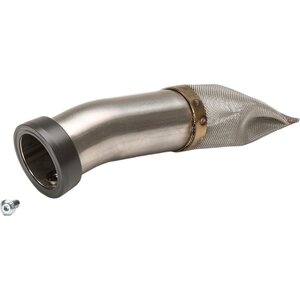
Mesh-style arrestors with replaceable inserts are ideal for recreational trail use, while trap- or centrifugal-style units suit heavy-duty or continuous-duty applications; choose the style that matches your riding conditions and maintenance preferences.
Which materials and finishes should I prioritize for durability and corrosion resistance?
Stainless steel construction or durable anti-corrosion finishes resist heat and moisture best, and welded, serviceable designs with replaceable components extend service life in wet and muddy conditions.
How do I balance spark retention with performance if my ATV has an upgraded exhaust or I ride aggressively?
Pick arrestors advertised for high-flow or low-restriction performance that still meet particle-retention requirements, and favor designs that maintain exhaust flow while preventing bypass around the arresting element.
What routine maintenance and inspection steps keep a spark arrestor compliant and effective?
Inspect for holes, loose seams, or clogged mesh, clean or replace inserts as needed, and confirm permanent approval markings remain legible to ensure ongoing compliance and safe operation.
Do I need a certified spark arrestor for public land trails and how do I confirm compliance?
Use a unit with permanent manufacturer markings showing approval by recognized authorities, since many public lands require certified arrestors for entry; choosing a clearly marked, serviceable model simplifies inspections and trail access.