Begin typing to search, when autocomplete results are available use up and down arrows to review and enter to select. Selecting an options will take you to a new page. Touch device users, explore by touch.SEARCH
Search within a riding style, select an optionBegin typing to search, when autocomplete results are available use up and down arrows to review and enter to select. Selecting an options will take you to a new page. Touch device users, explore by touch.
Free shipping on orders over $79 to Illinois
Orders over $79.00 will receive free shipping. This is a residential delivery service, deliveries Monday through Friday from 9:00am to 8:00pm.
How do I choose the right hydration pack for my riding style?
Pick by ride duration, terrain, vehicle type, and expected weather—small packs for short street rides, mid-sized for daily/adventure use, and large, rugged packs for long off-road or all-day touring; test fit with simulated load and riding posture to confirm hose reach and pressure points.
What hose and reservoir features matter for different conditions?
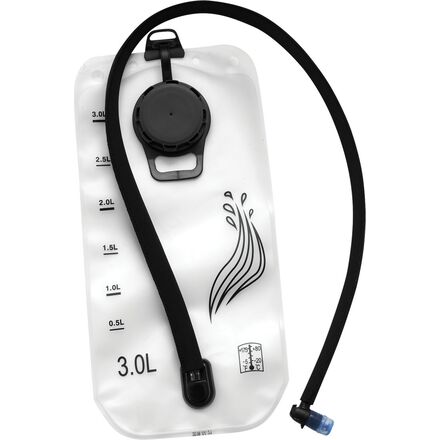
Look for adjustable routing and strap clips, a leak-resistant bite valve with quick-disconnect for helmet access, hose insulation for cold conditions, and a wide-mouth reservoir for easy cleaning and sanitizing.
Which capacity, fit, and safety features work best on adventure bikes versus dirtbikes?
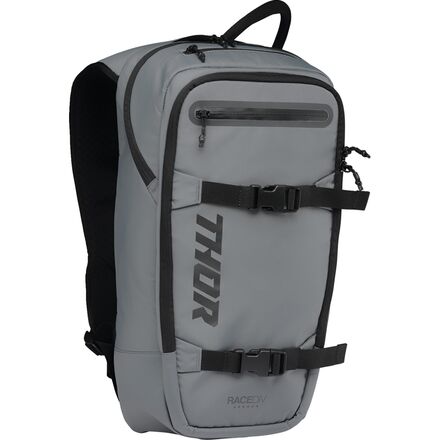
Adventure riders should prioritize mid-to-large capacity packs with padded hip belts, ventilation, and back-protector compatibility for long hauls, while dirtbike riders need crash-durable, highly ventilated packs with secure harnesses and hose stability for rough trails.
What should I consider when choosing an aftermarket hydration system for my motorcycle?
Choose abrasion-resistant materials and reinforced construction for crash resilience, verify harness stability and clear hose routing without obstructing controls, favor quick-install designs and protector-compatible back sleeves, and prefer bladders that are easy to remove for cleaning.
How do I maintain a hydration pack to keep it durable and safe?
Rinse and fully dry the reservoir after use, inspect seams, stitching and hose connections for wear, clean or replace bite valves as needed, and store the pack uncompressed to preserve shape and protective features.