Begin typing to search, when autocomplete results are available use up and down arrows to review and enter to select. Selecting an options will take you to a new page. Touch device users, explore by touch.SEARCH
Search within a riding style, select an optionBegin typing to search, when autocomplete results are available use up and down arrows to review and enter to select. Selecting an options will take you to a new page. Touch device users, explore by touch.
Free shipping on orders over $79 to Illinois
Orders over $79.00 will receive free shipping. This is a residential delivery service, deliveries Monday through Friday from 9:00am to 8:00pm.
What types of exhaust heat protection are available for UTVs?
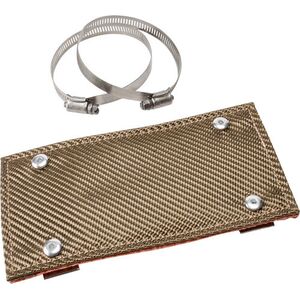
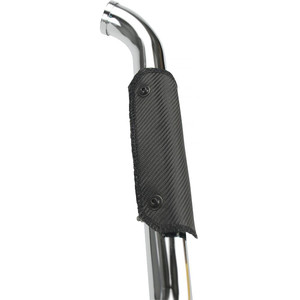
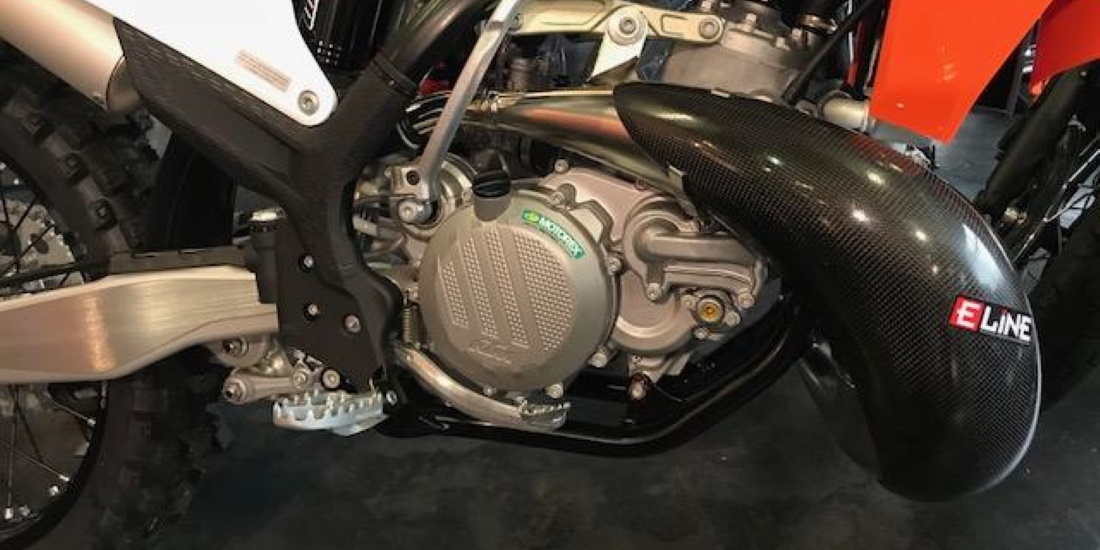
UTV options include rigid metal shields, braided sleeves, composite guards, and high-temp wraps made from materials like silica or fiberglass—each balances reflectivity, abrasion resistance, and flexibility for different mounting locations.
How should I choose heat protection for my UTV based on riding conditions?
For heavy off-road and mud use choose rugged composite guards or abrasion-resistant wraps; for sustained high exhaust temperatures prioritize silica-based materials or ceramic-coated shields; in wet or salty environments favor stainless steel for corrosion resistance.
Which materials provide the best long-term protection for UTV exhausts?
Stainless steel offers superior corrosion resistance, aluminum and ceramic coatings reflect radiant heat well, and silica-based wraps handle the highest exhaust temperatures while braided sleeves add abrasion protection and flexibility.
How difficult is installation and what maintenance should I expect?
Flexible braided sleeves and pre-molded guards are generally DIY-friendly while multi-layer systems may need professional fitting; use clamped, removable shields for easy inspections and regularly check wraps and fasteners for moisture, corrosion, and secure clearance.
How do common UTV performance or cargo modifications affect exhaust heat protection needs?
Higher-performance engine or exhaust changes raise sustained temperatures and call for higher-temp materials and more coverage, while added racks or footpeg changes may require extended shields and attention to mounting clearance to prevent rubbing or vibration.