Begin typing to search, when autocomplete results are available use up and down arrows to review and enter to select. Selecting an options will take you to a new page. Touch device users, explore by touch.SEARCH
Search within a riding style, select an optionBegin typing to search, when autocomplete results are available use up and down arrows to review and enter to select. Selecting an options will take you to a new page. Touch device users, explore by touch.
Free shipping on orders over $79 to Illinois
Orders over $79.00 will receive free shipping. This is a residential delivery service, deliveries Monday through Friday from 9:00am to 8:00pm.
How do I choose a cruiser air filter based on my riding conditions and maintenance willingness?
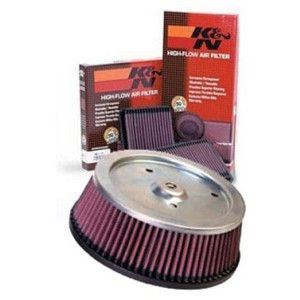
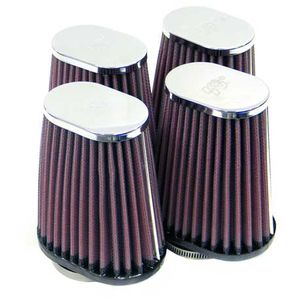
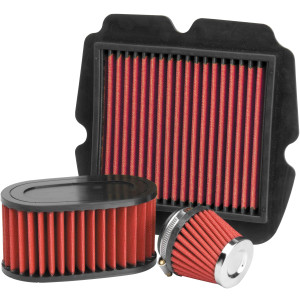
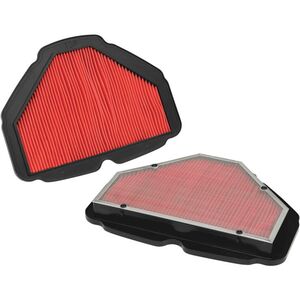
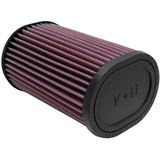
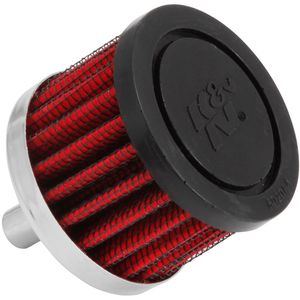
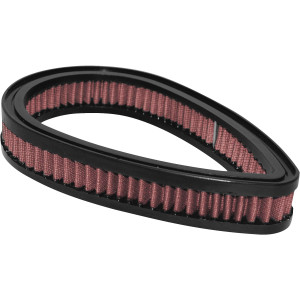
Prioritize filter type, riding conditions, vehicle compatibility, and how much upkeep you’ll do; choose high-efficiency paper or dry polyester for street and urban use, oiled cotton or dry reusables for performance when you’ll maintain them, and foam or pre-oiled options for dusty, unpaved riding.
What technical specs matter most when comparing cruiser air filters and accessories?
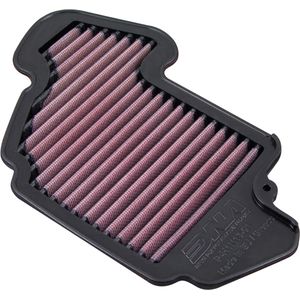
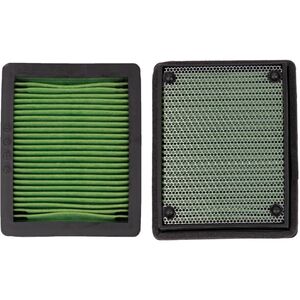
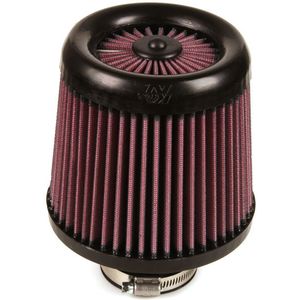
Focus on filtration efficiency (particle capture), airflow capacity, material and reusability, size/shape and sealing, and confirmed compatibility with your cruiser and intake system.
How often should I service reusable filters and what does maintenance involve?
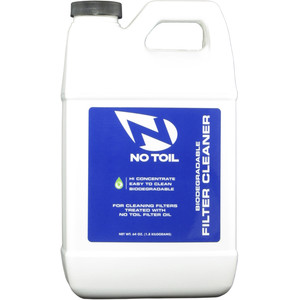
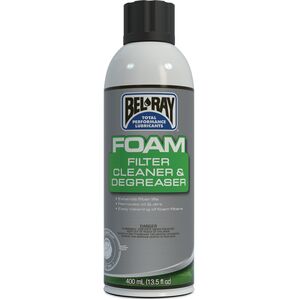
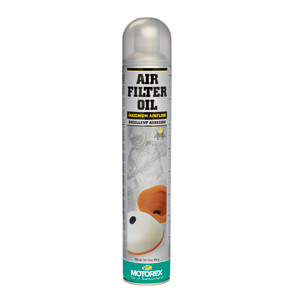
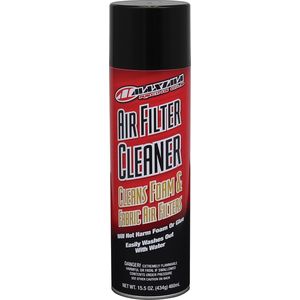
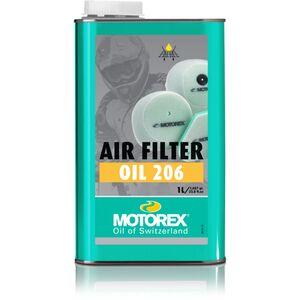
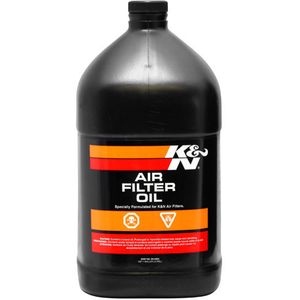
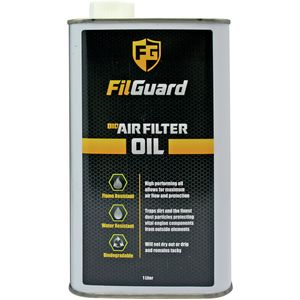
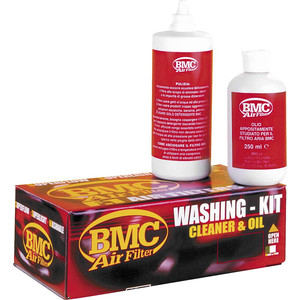
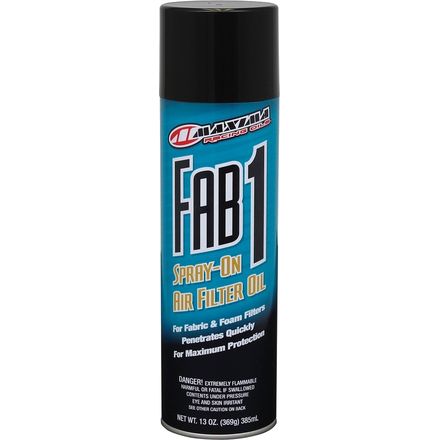
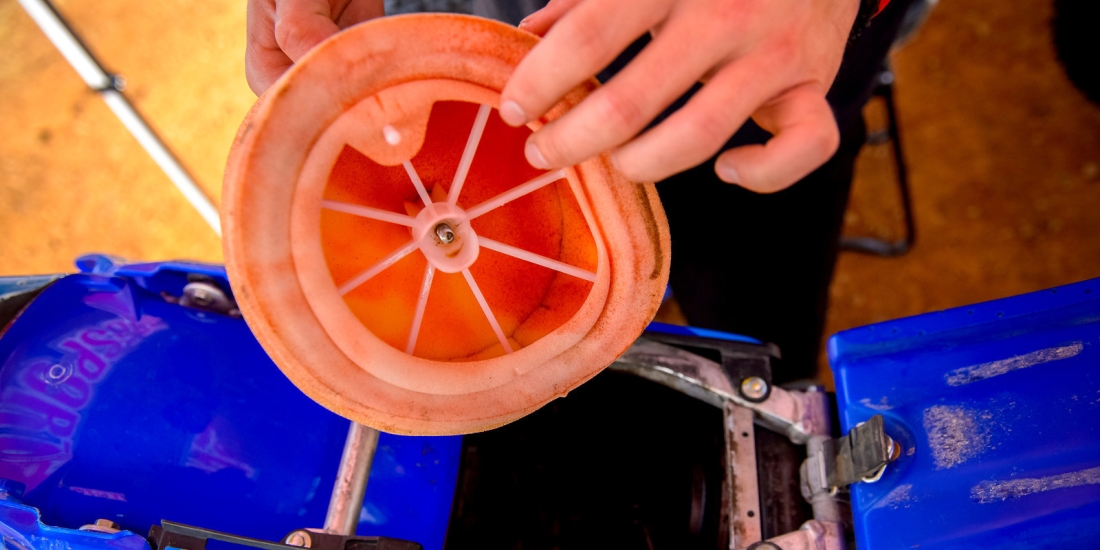
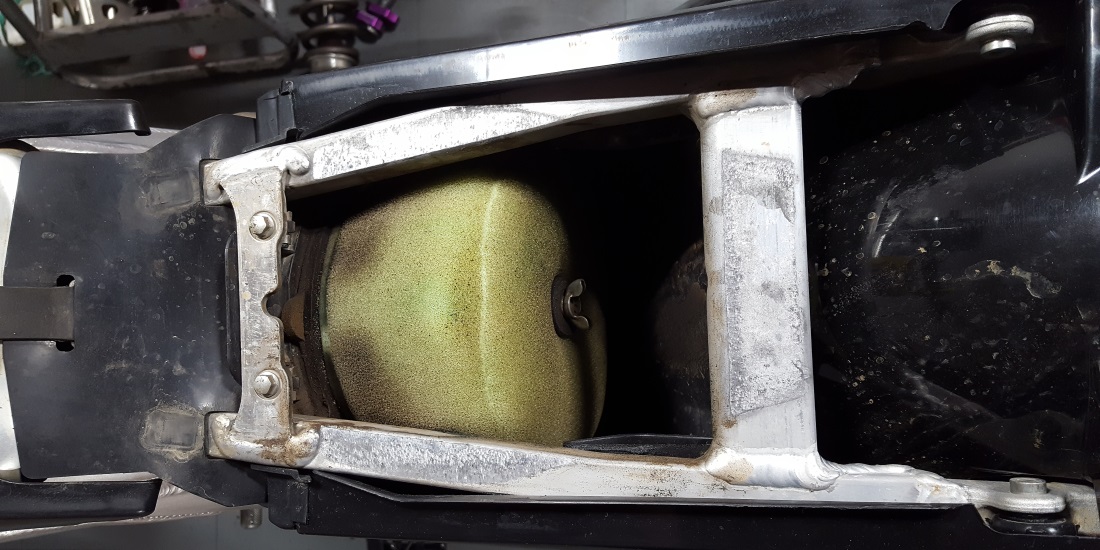
Reusable filters require routine cleaning and either re-oiling or washing depending on material, with inspection after dusty or wet rides; follow the filter maker’s cleaning steps and check seals during each service.
How do high-flow air filters interact with exhaust or engine tuning upgrades?
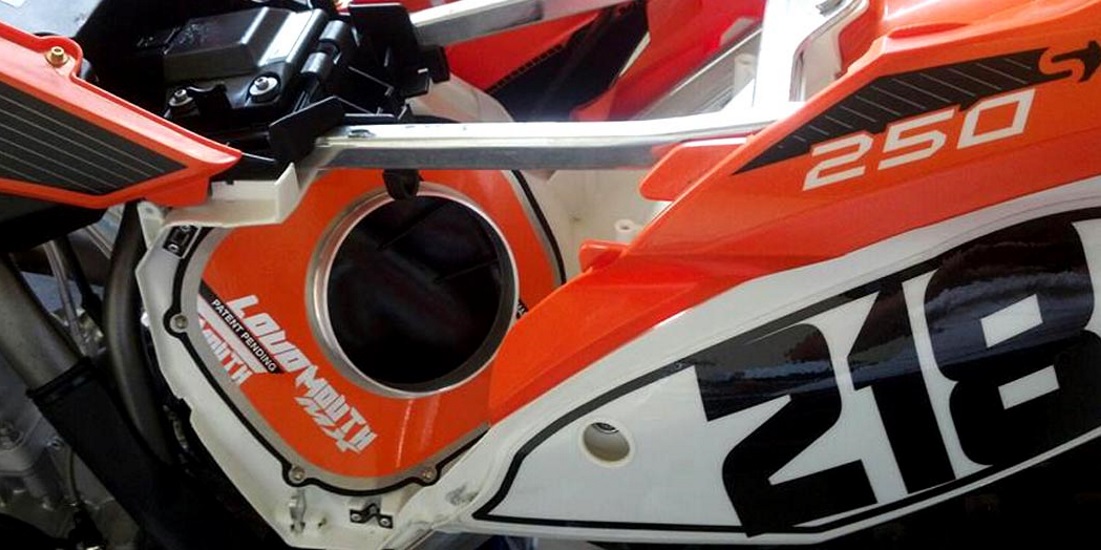
High-flow filters can improve throttle response and power when paired with compatible exhaust and tuning, but they must seal properly and be matched to any tune to avoid air-fuel or sensor issues on fuel-injected cruisers.
What should I check after installing a new air filter or intake accessory on my cruiser?
Inspect alignment and clearances, verify a snug rubber gasket seal to prevent bypass, ensure no oil is near intake sensors on fuel-injected bikes, and confirm all fasteners and hoses are secure before riding.