Begin typing to search, when autocomplete results are available use up and down arrows to review and enter to select. Selecting an options will take you to a new page. Touch device users, explore by touch.SEARCH
Search within a riding style, select an optionBegin typing to search, when autocomplete results are available use up and down arrows to review and enter to select. Selecting an options will take you to a new page. Touch device users, explore by touch.
Free shipping on orders over $79 to Illinois
Orders over $79.00 will receive free shipping. This is a residential delivery service, deliveries Monday through Friday from 9:00am to 8:00pm.
How do I choose cranks and rods for my motorcycle’s performance goals?
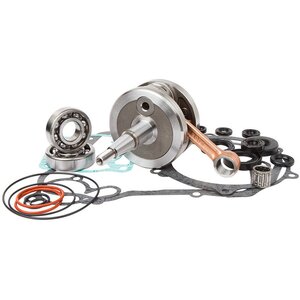
Match your engine’s model/year and core dimensions (stroke and journal sizes), choose forged steel for strength, pick internal or external balance for your RPM range, and select rod length to favor quick low-end punch or smooth high‑RPM power.
Internal vs. external balance—when does each make sense?
Internal balance reduces bending stress at high RPM and suits racing or aggressive riding, while external balance works well for stock or low‑power builds; ensure the entire rotating assembly is balanced as a system.
What does rod length/rod ratio change in real‑world riding?
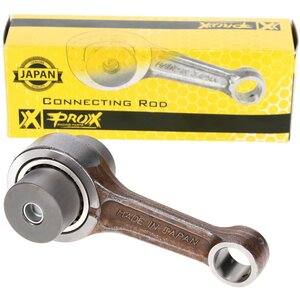
Shorter rods sharpen throttle response and build low‑RPM torque (great off‑road or around town), while longer rods smooth high‑RPM operation and reduce wear for sustained street or ADV cruising.
Which materials and treatments increase crank/rod durability?
Forged steel is the go‑to for high loads, billet is typically race‑only, and nitride treatment with smooth, defect‑free journals improves longevity; V‑twin balance features should match your engine’s firing layout. In wet or muddy conditions, favor corrosion‑resistant finishes and robust sealing.
What should I check before installation to prevent failures?
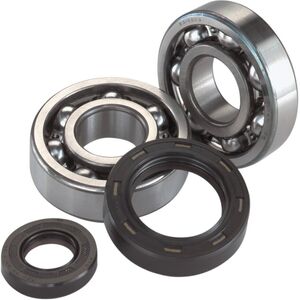
Confirm the stack of stroke, rod length, and pin height matches your deck height, verify clearances and journal condition, and check for needed bearings/seals. Pre‑lube and follow the service manual; for boosted or high‑output builds, spec reinforced parts and ensure the crank nose and balance can handle the added load.