Begin typing to search, when autocomplete results are available use up and down arrows to review and enter to select. Selecting an options will take you to a new page. Touch device users, explore by touch.SEARCH
Search within a riding style, select an optionBegin typing to search, when autocomplete results are available use up and down arrows to review and enter to select. Selecting an options will take you to a new page. Touch device users, explore by touch.
Free shipping on orders over $79 to Illinois
Orders over $79.00 will receive free shipping. This is a residential delivery service, deliveries Monday through Friday from 9:00am to 8:00pm.
What types of exhaust heat protection are available and how do they differ?
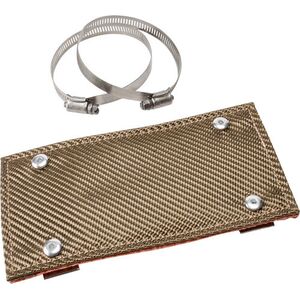
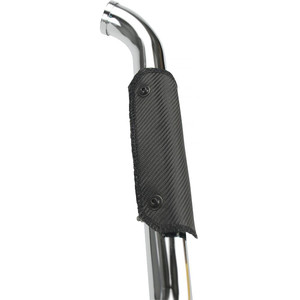
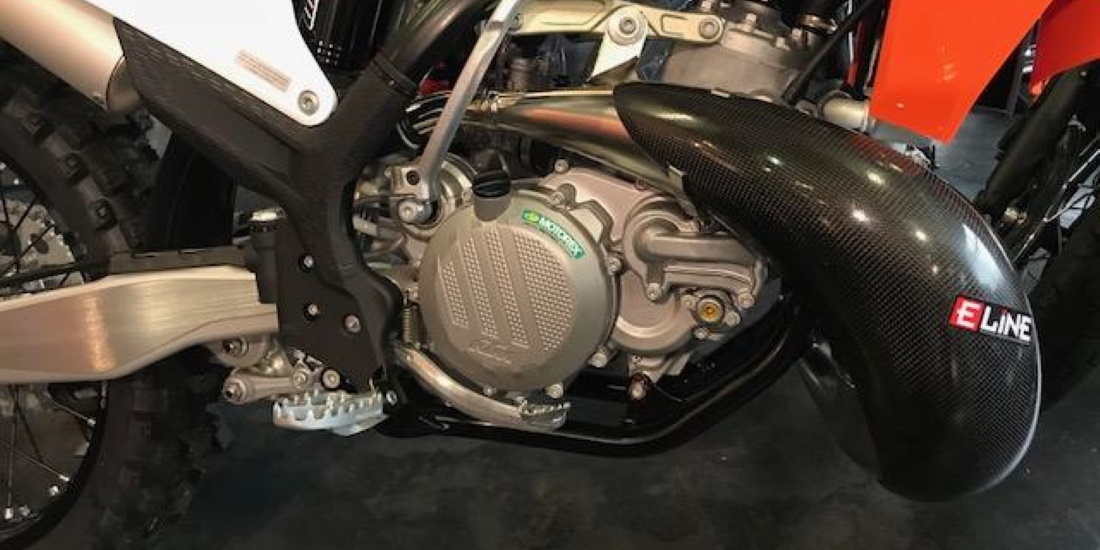
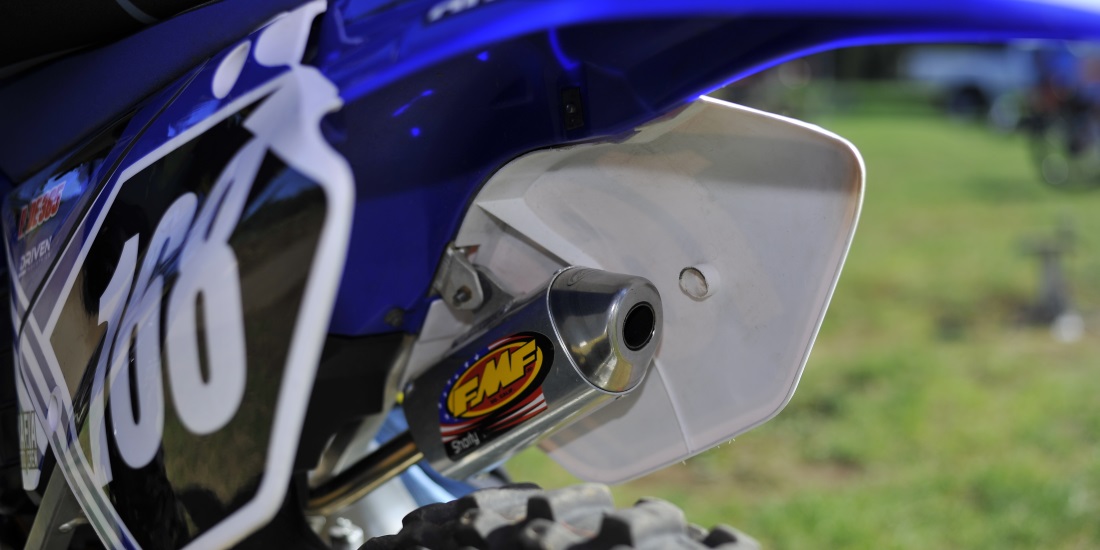
You’ll find solid metal shields (aluminum or stainless) for rigid radiant-heat blocking, flexible braided sleeves for conforming to bends, layered insulated wraps for surface temperature reduction, and ceramic coatings for a long-lasting, corrosion-resistant finish; each balances reflection, durability, and installation complexity differently.
How should I choose heat protection based on vehicle, terrain, and riding style?
Match the material and coverage to your platform and conditions: metal shields for durability and wet/cold climates, braided sleeves for irregular pipes and off-road ease, and sealed wraps or coatings for full-wrap insulation in dry, high-heat setups; prioritize secure mounting and model-specific fitment.
Which heat protection works best for ATVs, UTVs and other off-road machines?
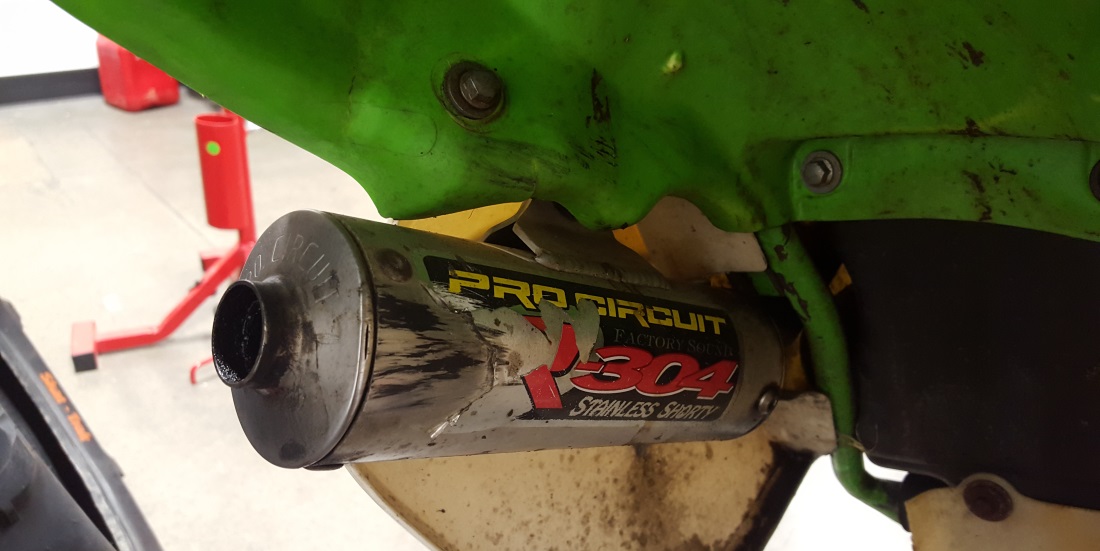
Rugged metal shields or braided stainless/ceramic sleeves are ideal for off-road use because they resist abrasion, handle vibration with proper clamps, and protect footpegs/passenger areas from mud and impacts.
What should I know about installing aftermarket heat protection?
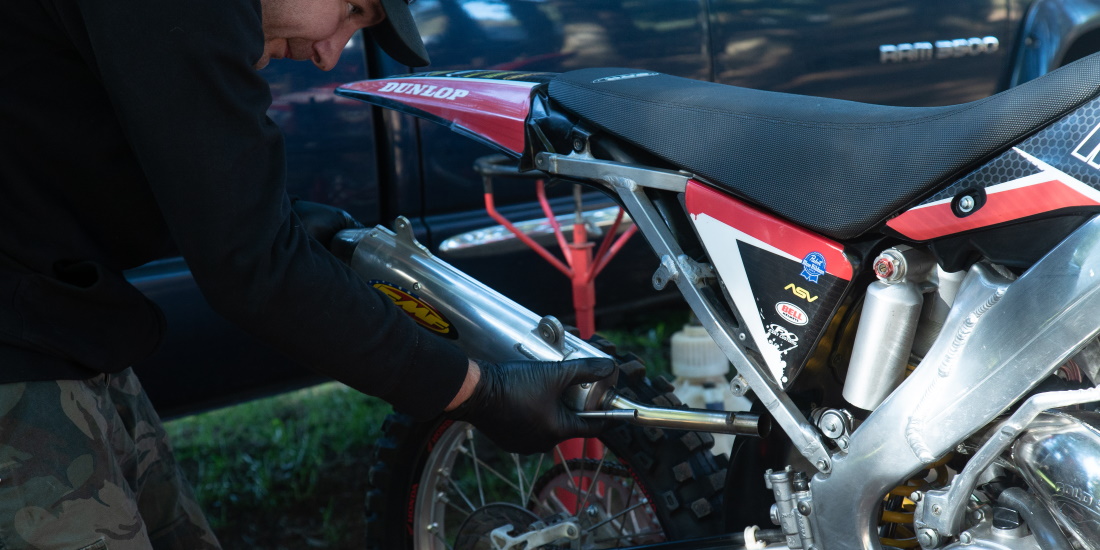
Use reinforced clamps or bolt-on hardware instead of zip-ties to resist vibration, check for complete coverage of hot zones and clearance to prevent rubbing, and avoid thin decorative shields or unsealed wraps that can trap moisture and cause corrosion.
How do material choices and maintenance affect long-term performance and safety?
Metal shields and ceramic coatings offer low-maintenance longevity and good reflection, while insulated wraps lower surface temps but require sealing and periodic inspection to prevent moisture-related rust; choose high-temperature-rated materials and plan routine checks for clamps and seals.