Begin typing to search, when autocomplete results are available use up and down arrows to review and enter to select. Selecting an options will take you to a new page. Touch device users, explore by touch.SEARCH
Search within a riding style, select an optionBegin typing to search, when autocomplete results are available use up and down arrows to review and enter to select. Selecting an options will take you to a new page. Touch device users, explore by touch.
Free shipping on orders over $79 to Illinois
Orders over $79.00 will receive free shipping. This is a residential delivery service, deliveries Monday through Friday from 9:00am to 8:00pm.
Look along the rim of your tire. You should be able to find a group of numbers separated by slashes and/or dashes. There are two general types of tire sizing, metric and english.
Most street and dirt bikes use metric sizes. A metric size will look like 100/90-19. Most ATVs use english sizes, english size will look like 35x10-15.
Which construction should I choose for UTV rear tires?
Radial rear tires are the best all-around choice for a smoother ride, flatter footprint, better heat management, and longer wear; consider bias-ply only for low-speed utility use where cost and simple durability are priorities.
How do I pick a rear tire tread and compound for my terrain?
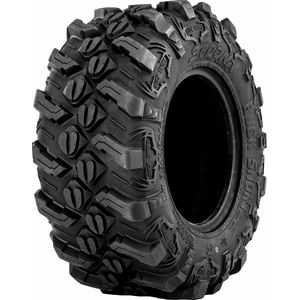
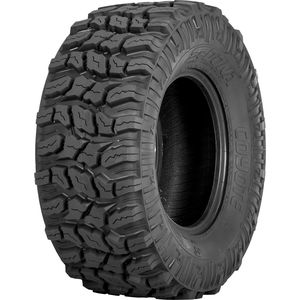
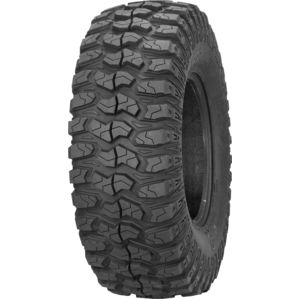
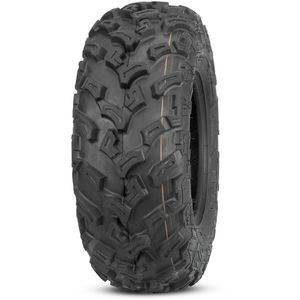
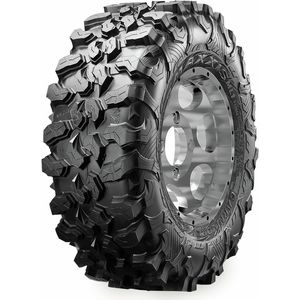
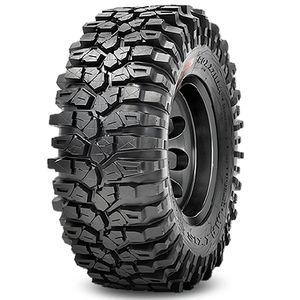
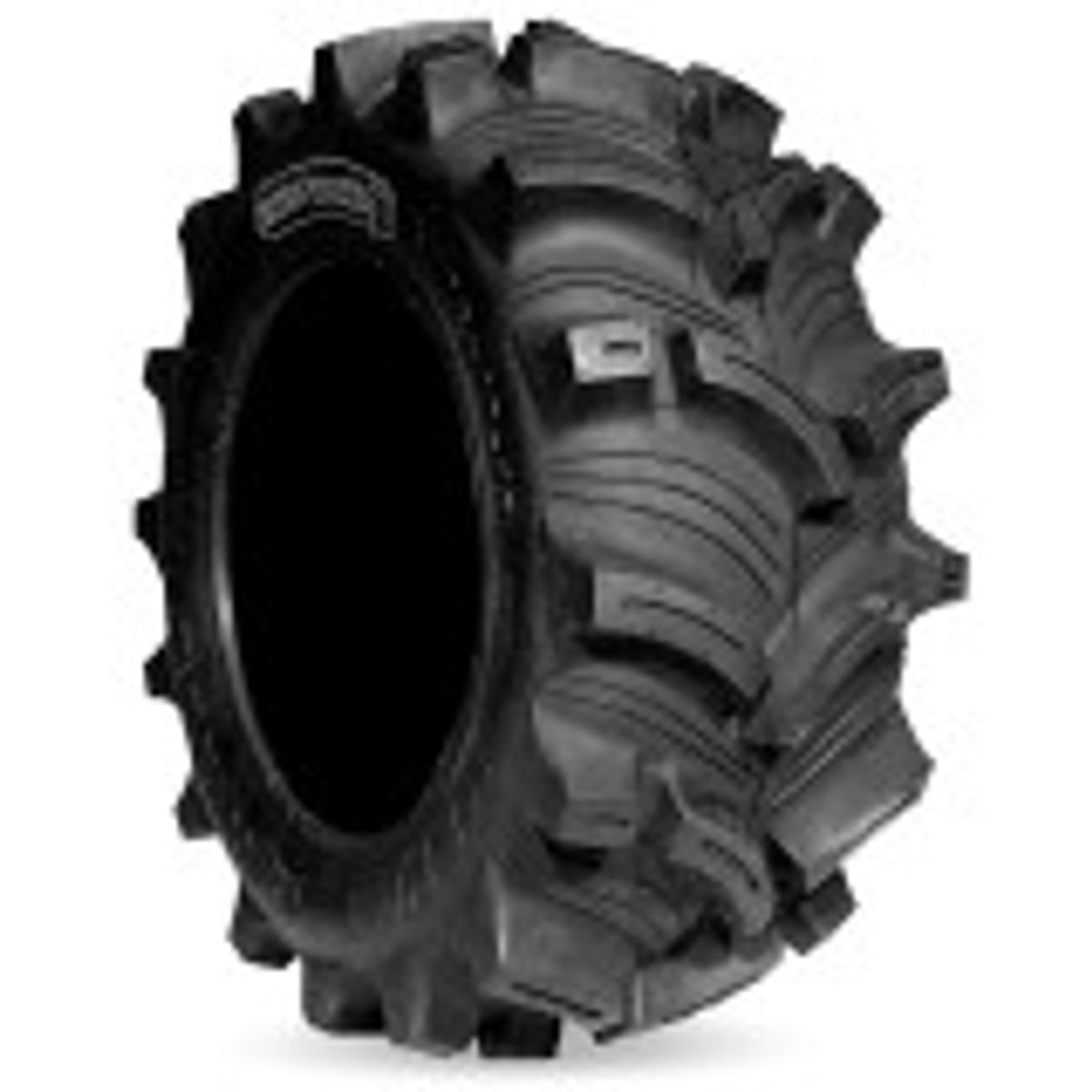
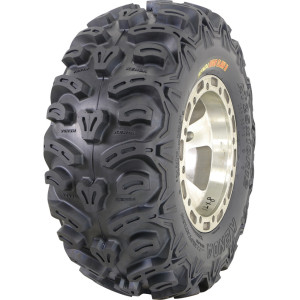
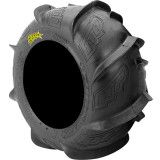
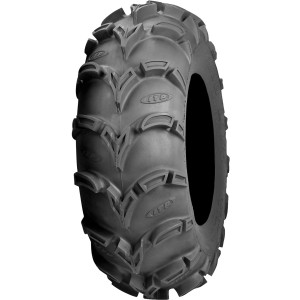
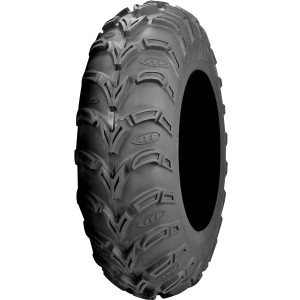
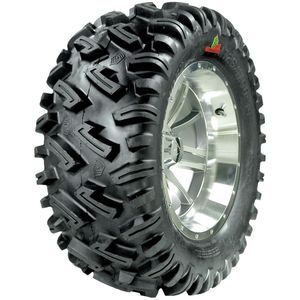
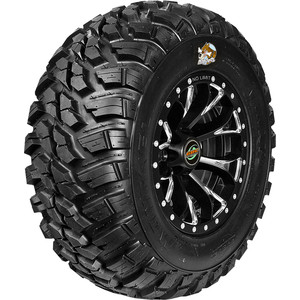
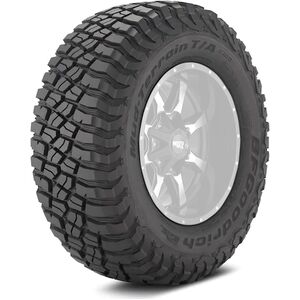
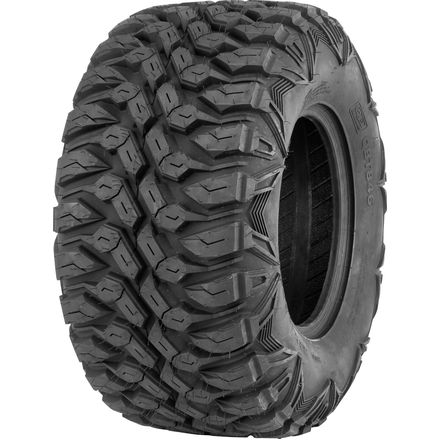
Deep, widely spaced lugs self-clean in mud and loose ground; tighter, reinforced patterns grip and protect on rocky trails; milder blocks or sand-specific designs run smoother on hardpack and dunes. Softer compounds boost traction, harder compounds extend life, and some options blend both for balanced performance.
What ply rating and sidewall features should I look for in rear tires?
Choose 4–6 ply for general trail/utility and step up to 8 ply with reinforced sidewalls for sharp rocks or heavier loads; always ensure the tire’s load rating covers passengers and cargo. Tougher carcasses resist punctures but ride firmer, so balance durability with comfort.
Can I use rear tires for mixed pavement and dirt riding?
Yes—pick DOT-approved tires and a less aggressive tread to reduce noise and wear on pavement, while radial construction keeps the ride smooth between trailheads.
Any install, maintenance, or mod tips for rear tires?
Mount directional arrows correctly, seat beads fully, and balance if you ride at higher speeds; match front and rear tread types for predictable handling. Recheck lug tightness after your first ride and inspect tread/sidewalls regularly. Heavier or larger rear tires can affect acceleration and heat—consider clutch tuning, confirm clearance through suspension travel, and note beadlocks allow lower pressures but add weight.