Begin typing to search, when autocomplete results are available use up and down arrows to review and enter to select. Selecting an options will take you to a new page. Touch device users, explore by touch.SEARCH
Search within a riding style, select an optionBegin typing to search, when autocomplete results are available use up and down arrows to review and enter to select. Selecting an options will take you to a new page. Touch device users, explore by touch.
Free shipping on orders over $79 to Illinois
Orders over $79.00 will receive free shipping. This is a residential delivery service, deliveries Monday through Friday from 9:00am to 8:00pm.
What types of UTV lights are available and which should I choose for different riding styles?
Spot lights deliver long-distance visibility, flood lights provide wide near-field coverage, and combo bars or pods offer a balance for mixed riding; choose spot-heavy setups for high-speed runs and wider floods for slow, technical trails.
How do materials and construction affect UTV light durability and weather resistance?
Durable options use corrosion-resistant housings, impact-resistant lenses, sealed connectors, and thermal management to withstand mud, rain, dust, and vibration for longer service life.
How easy is installation and what features simplify wiring and aiming?
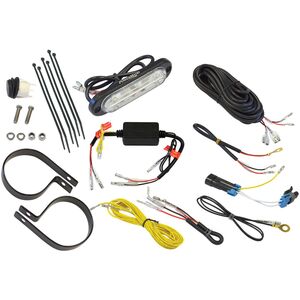
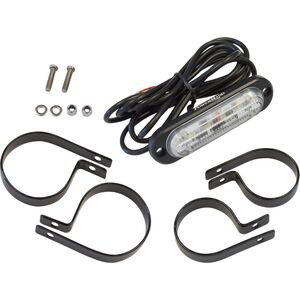
Pick lights with universal mounting brackets, adjustable aiming hardware, and plug-and-play wiring harnesses with built-in protection to streamline installation and reduce electrical headaches.
How should I set up UTV lighting for trail riding, prerunning, or work use?
Layer your setup by purpose: long-throw and combo bars for high-speed trail or prerunning visibility, and wide flood or low-glare pods for technical trails, utility tasks, and close-range illumination.
How do common accessories and electrical mods affect my lighting choices and upkeep?
Roof racks, bumpers, and winches change mounting options and sightlines while additional electrical accessories increase power demand—use compatible mounts, upgrade wiring where needed, and add controllers or auxiliary power solutions to maintain consistent performance.