Begin typing to search, when autocomplete results are available use up and down arrows to review and enter to select. Selecting an options will take you to a new page. Touch device users, explore by touch.SEARCH
Search within a riding style, select an optionBegin typing to search, when autocomplete results are available use up and down arrows to review and enter to select. Selecting an options will take you to a new page. Touch device users, explore by touch.
Free shipping on orders over $79 to Illinois
Orders over $79.00 will receive free shipping. This is a residential delivery service, deliveries Monday through Friday from 9:00am to 8:00pm.
What features define a good motorcycle base layer?
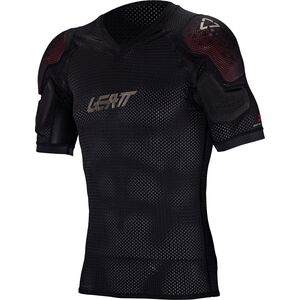
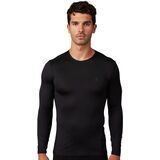
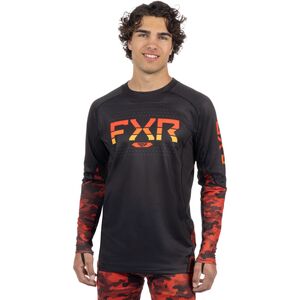
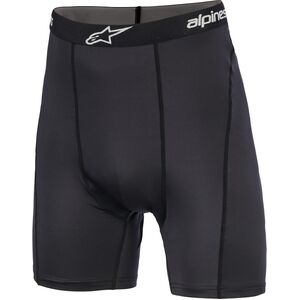
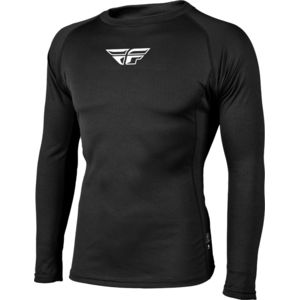
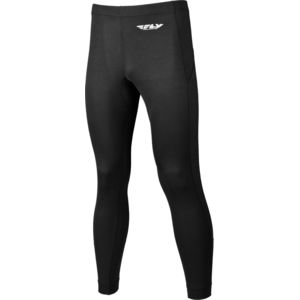
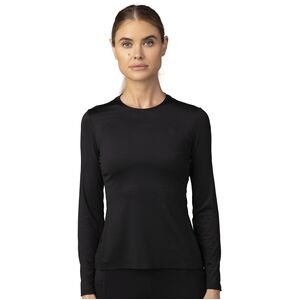
Look for moisture-wicking fabrics like polyester/elastane or nylon, high breathability with mesh or venting, thermal options such as merino or phase-change materials, and a stretchy, seamless snug fit that acts like a second skin to manage sweat, regulate temperature, and reduce chafing under gear.
Which materials work best for hot, cold, and variable conditions?
Thin, open-weave synthetics with ventilation are best for hot weather, merino wool or fleece/wind-blocking layers are ideal for cold, and poly/elastane hybrids or phase-change materials give versatile performance for shifting temperatures—avoid cotton because it retains moisture.
How do I pick base layers for different riding styles and terrain?
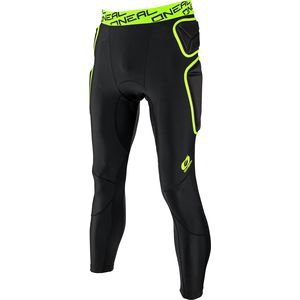
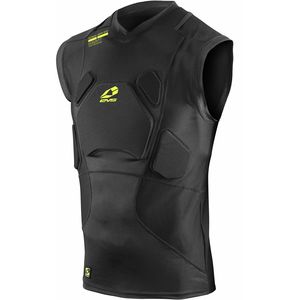
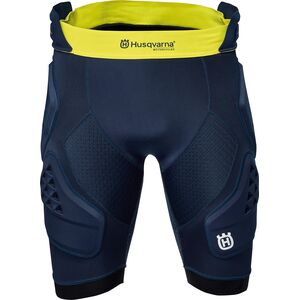
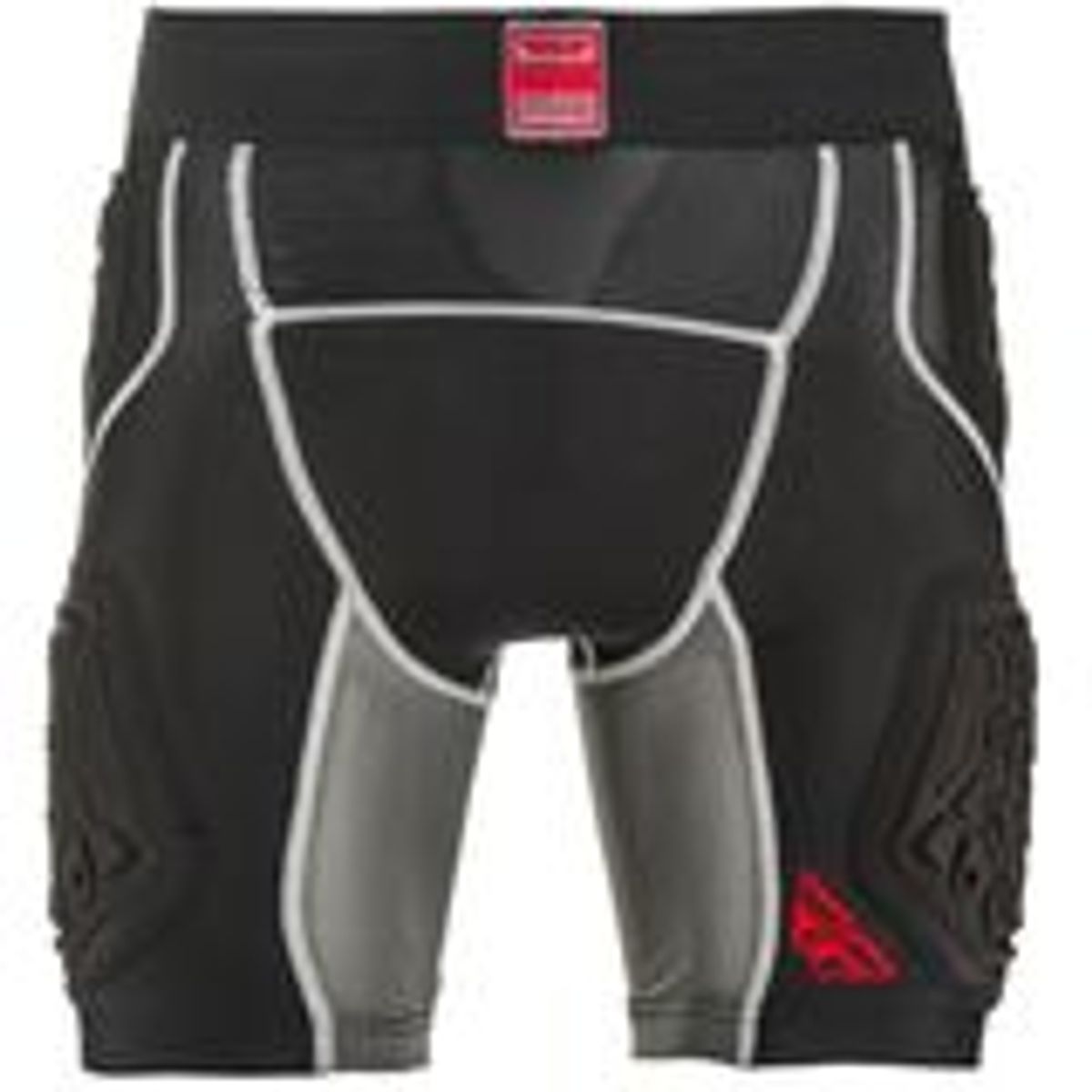
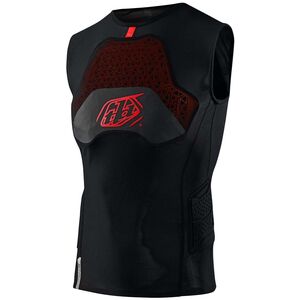
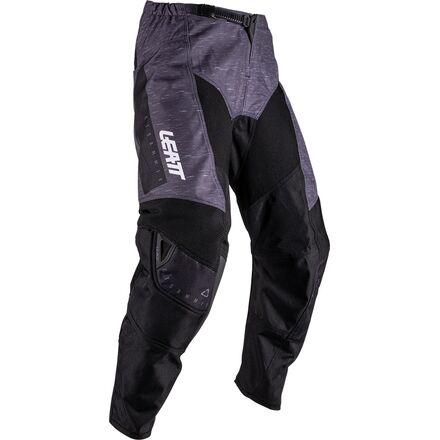
Choose abrasion-resistant, padded or buffer-style base layers for off-road and high-contact riding, seamless, low-profile pieces for street or track leathers, and breathable, layerable options for adventure/touring where conditions change.
How should a base layer fit and interact with armor or leathers?
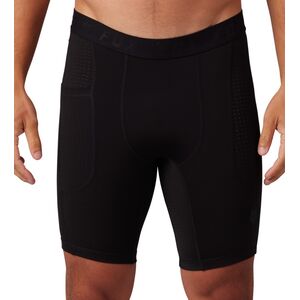
Aim for a snug, mobile fit with elastane stretch and seamless construction so the layer stays smooth under armor or leathers, prioritizing a top-layer for core warmth and ensuring no bunching or restriction during steering and movement.
What care and maintenance keep base layers performing longer?
Follow fabric-specific washing, avoid fabric softeners that kill wicking, air dry or use low heat, inspect for seam wear or loss of stretch, and repair or replace layers once performance or fit degrades to maintain comfort and protection.