Begin typing to search, when autocomplete results are available use up and down arrows to review and enter to select. Selecting an options will take you to a new page. Touch device users, explore by touch.SEARCH
Search within a riding style, select an optionBegin typing to search, when autocomplete results are available use up and down arrows to review and enter to select. Selecting an options will take you to a new page. Touch device users, explore by touch.
Free shipping on orders over $79 to Illinois
Orders over $79.00 will receive free shipping. This is a residential delivery service, deliveries Monday through Friday from 9:00am to 8:00pm.
Look along the rim of your tire. You should be able to find a group of numbers separated by slashes and/or dashes. There are two general types of tire sizing, metric and english.
Most street and dirt bikes use metric sizes. A metric size will look like 100/90-19. Most ATVs use english sizes, english size will look like 35x10-15.
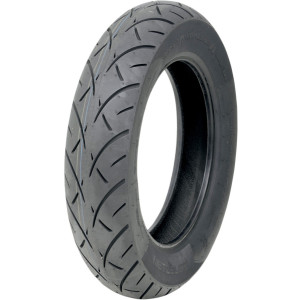
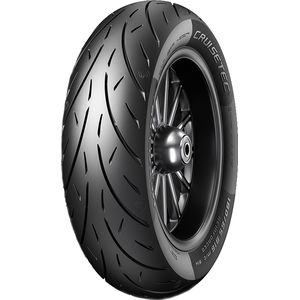
Which construction is best for a cruiser rear tire?
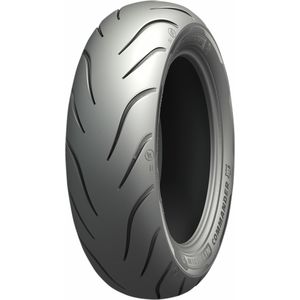
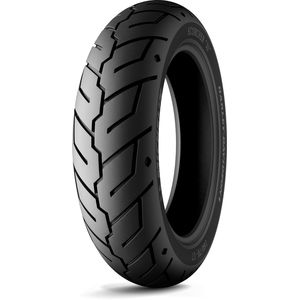
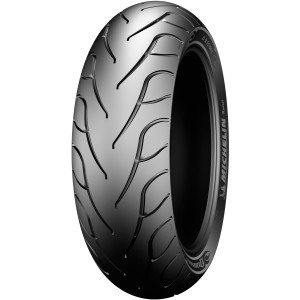
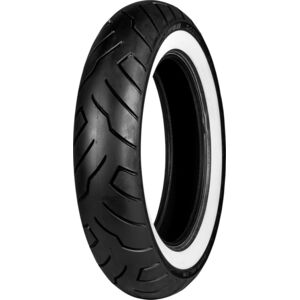
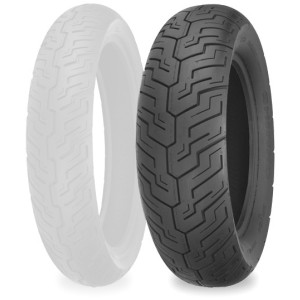
Bias-ply is typically preferred for cruisers thanks to stiffer sidewalls and higher load capacity; consider a radial only if you prioritize high‑speed heat management and touring stability. Also confirm whether your wheel needs tubeless or tube‑type.
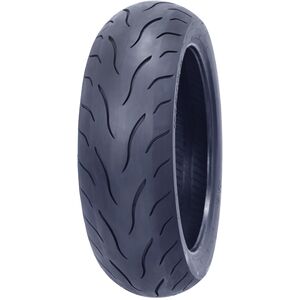
How should I choose a tread pattern for pavement and weather?
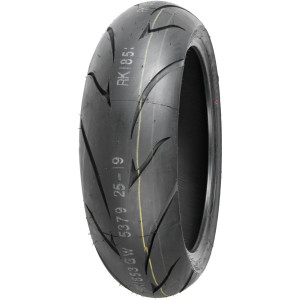
Pick minimal/shallow tread for dry pavement and maximum contact; choose deeper grooves and sipes if you ride often in rain to improve water evacuation and stability.
What rubber compound should I select for grip and longevity on a cruiser?
A medium compound balances grip and mileage for everyday street use; go harder for long highway runs and hot, abrasive surfaces, or softer if you need extra cold/wet grip and accept faster wear. Dual‑compound options can extend straight‑line life without giving up edge traction.
Why do size, load index, and speed rating matter on cruiser rear tires?
Matching your bike’s specified size, load index, and speed rating ensures proper handling, safe weight support (rider, passenger, luggage), and stability at cruising speeds. Staying close to stock specs keeps the chassis and electronics behaving as designed.
Any install and maintenance tips for cruiser rear tires?
Have the tire mounted in the correct direction, fully seated and balanced, set pressure to spec, and recheck after a short break‑in. Verify clearance if you run wide‑wheel, fender, or lowering mods, and inspect tread wear indicators and tire age regularly for replacement cues.