Begin typing to search, when autocomplete results are available use up and down arrows to review and enter to select. Selecting an options will take you to a new page. Touch device users, explore by touch.SEARCH
Search within a riding style, select an optionBegin typing to search, when autocomplete results are available use up and down arrows to review and enter to select. Selecting an options will take you to a new page. Touch device users, explore by touch.
Free shipping on orders over $79 to Illinois
Orders over $79.00 will receive free shipping. This is a residential delivery service, deliveries Monday through Friday from 9:00am to 8:00pm.
What key specs matter when picking cruiser motorcycle headlights?
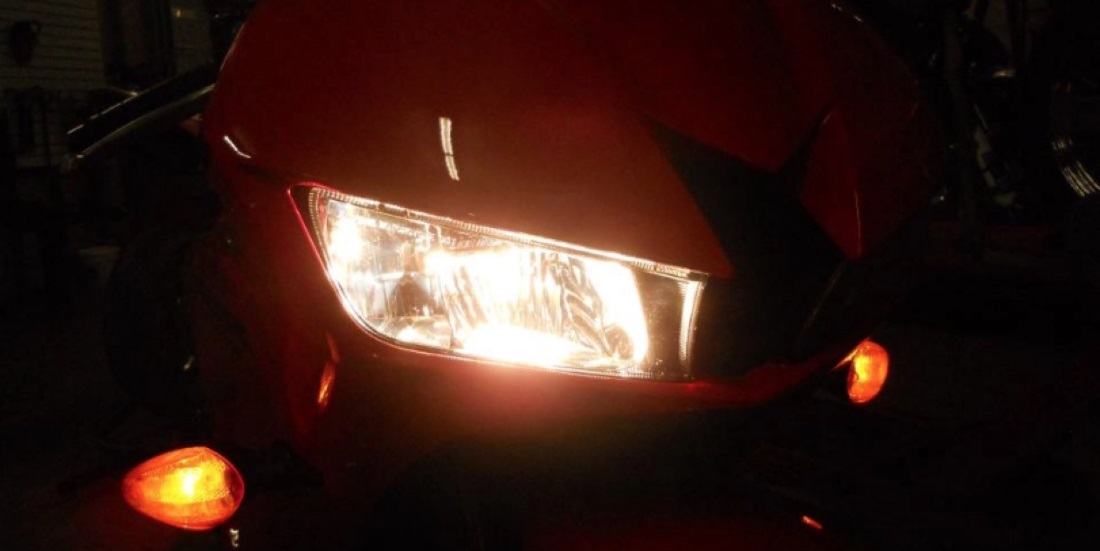
Prioritize effective brightness, a wide beam with a defined low‑beam cutoff, color temperature in the 5000–6000K range, model compatibility, IP65+ or better durability, and mounting options that suit cruiser styling; LEDs are usually the best balance of efficiency and vibration resistance.
Should I choose accent or underbody lighting for a cruiser?
Accent and underbody lights boost cruiser aesthetics and low‑speed visibility, so pick weather‑resistant, lower‑lumen LED options with compatible mounts to preserve battery life and a clean install.
How do weather and durability ratings affect cruiser light choice?
Select lights with strong ingress protection (IP67/IP68 preferred) and aluminum or polycarbonate housings to withstand rain, dust, vibration, and temperature swings encountered on paved roads and highway touring.
What installation and wiring should I expect for cruiser lights and common modifications?
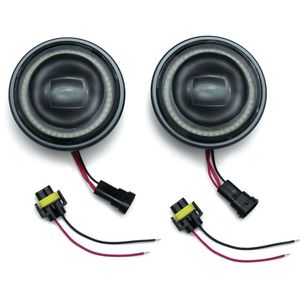
Look for plug‑and‑play options—H4/H7-style fitments are common—verify voltage and connectors to avoid major wiring changes, and factor in mounting location and routing or professional install if integrating accessories.
How should I choose beam pattern and color temperature for night and fog on a cruiser?
Choose a beam that offers wide lateral coverage with a clean cutoff for glare‑free highway visibility, aim for daylight‑white around 5000–6000K for crisp contrast, and consider warmer tones or fog‑specific optics when prioritizing performance in misty conditions.