Begin typing to search, when autocomplete results are available use up and down arrows to review and enter to select. Selecting an options will take you to a new page. Touch device users, explore by touch.SEARCH
Search within a riding style, select an optionBegin typing to search, when autocomplete results are available use up and down arrows to review and enter to select. Selecting an options will take you to a new page. Touch device users, explore by touch.
Free shipping on orders over $79 to Illinois
Orders over $79.00 will receive free shipping. This is a residential delivery service, deliveries Monday through Friday from 9:00am to 8:00pm.
What cable features matter most for cruiser throttle and clutch control?
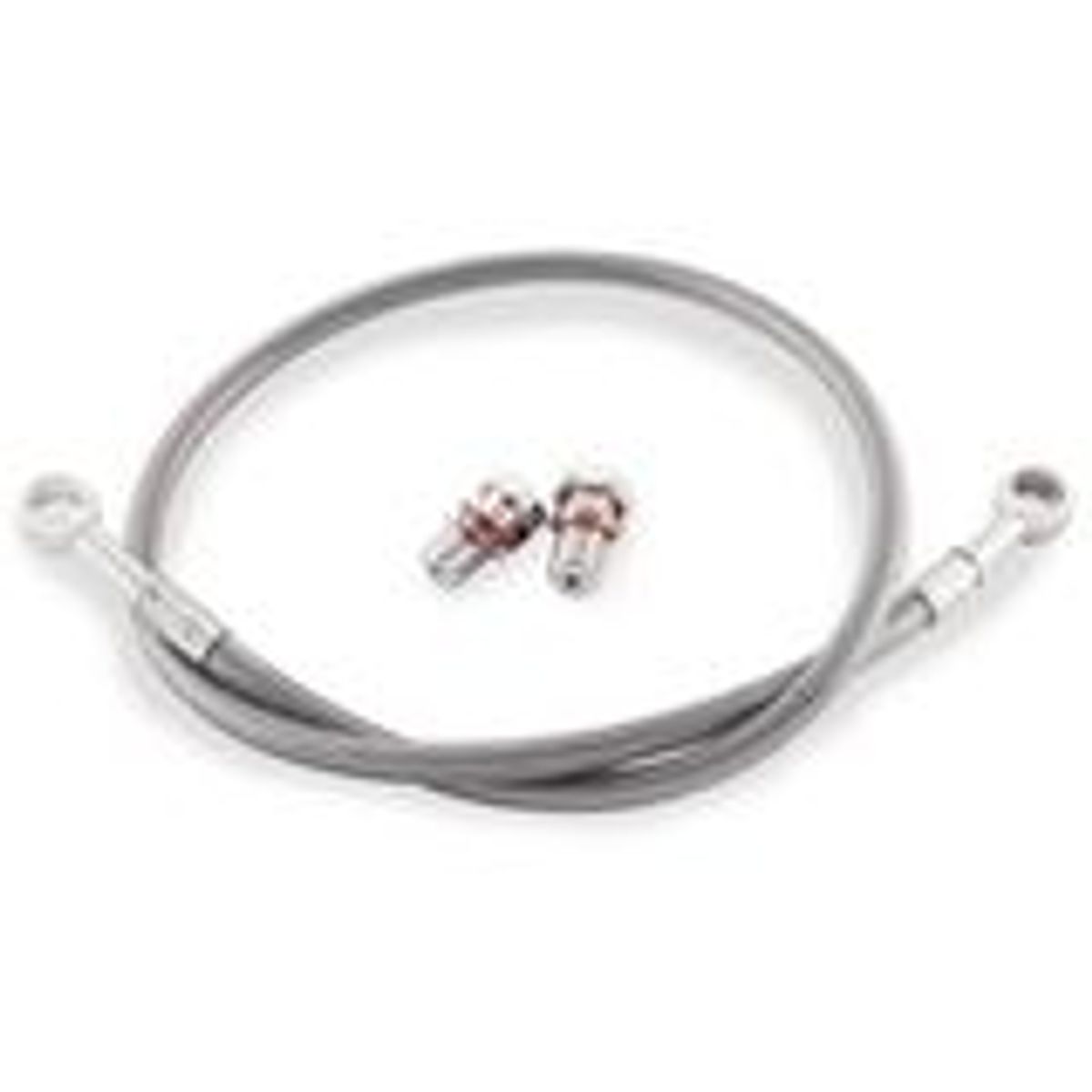
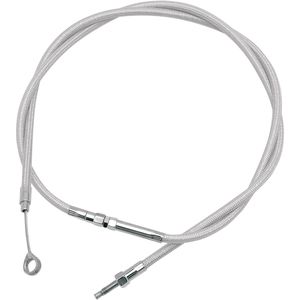
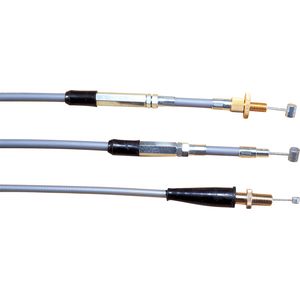
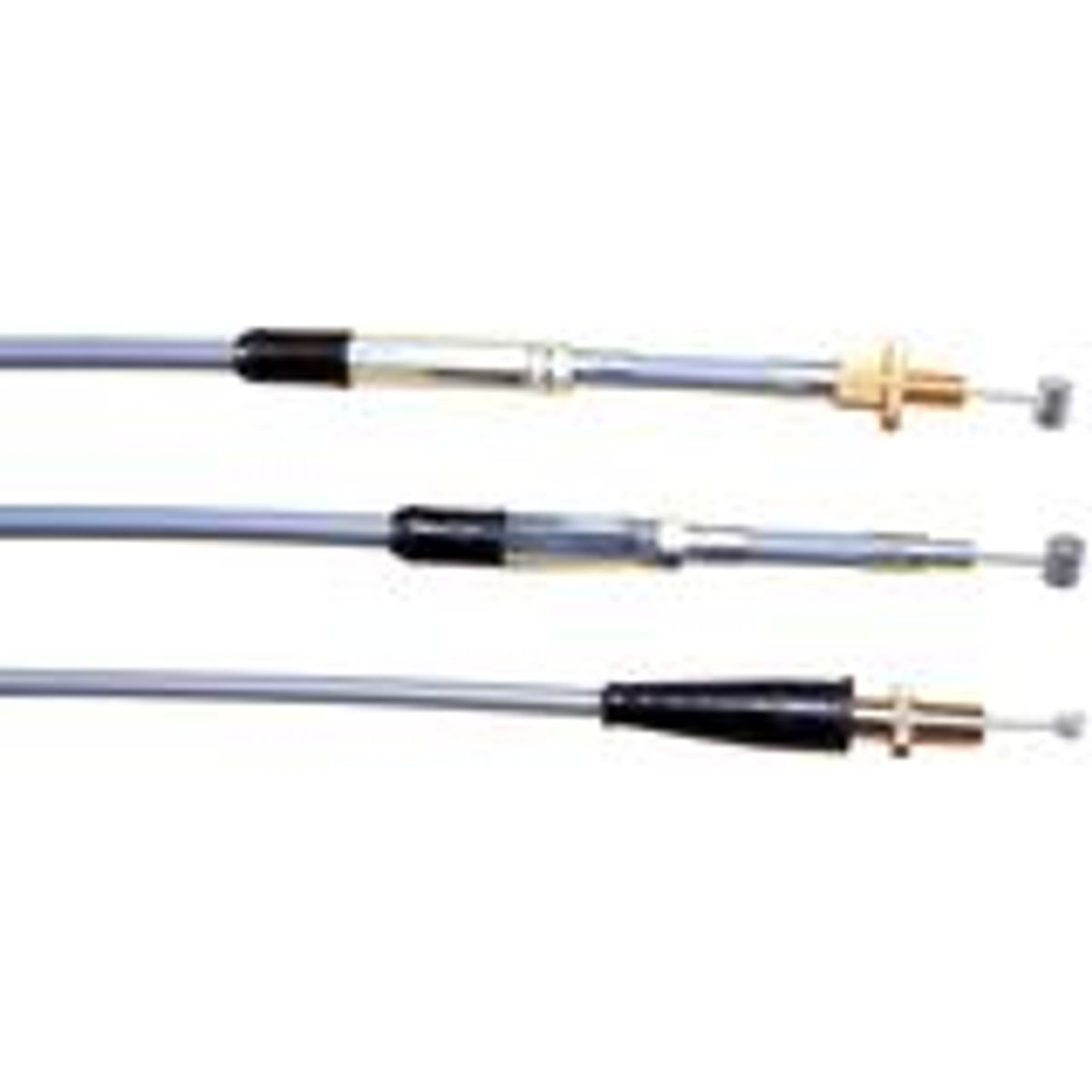
Prioritize correct end fittings and proper routing to avoid binding, a low‑friction (lined) inner cable for smooth feel, and a durable, corrosion‑resistant outer sheath and conductor for lasting performance.
Which materials and coatings are best for cruisers ridden in wet or coastal conditions?
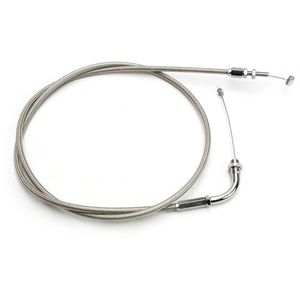
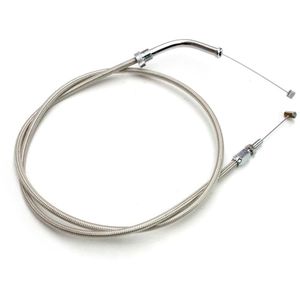
Stainless or corrosion‑resistant conductors with sealed or braided outer sheaths and protective coatings resist rust and grit, reduce binding, and cut down on maintenance in wet or salty environments.
How should I match cable type to different cruiser riding styles?
Choose low‑friction lined cables for everyday commuting, sealed or braided sheaths and a spare for long-distance touring, and adjustable or performance‑rated cables for riders seeking crisper throttle and clutch response.
What installation and inspection cues help ensure reliable cable performance?
Keep the cable path free of sharp bends, confirm end fittings seat fully, check the sheath for cracks or wear, ensure smooth free movement, and use lubrication access ports when available to extend service life.
How do handlebar or control modifications influence cable selection for cruisers?
Handlebar swaps or different control housings can change routing angles and required length, so pick cables with compatible end fittings, adequate length or adjustability, and low‑friction construction to maintain smooth operation.