Begin typing to search, when autocomplete results are available use up and down arrows to review and enter to select. Selecting an options will take you to a new page. Touch device users, explore by touch.SEARCH
Search within a riding style, select an optionBegin typing to search, when autocomplete results are available use up and down arrows to review and enter to select. Selecting an options will take you to a new page. Touch device users, explore by touch.
Free shipping on orders over $79 to Illinois
Orders over $79.00 will receive free shipping. This is a residential delivery service, deliveries Monday through Friday from 9:00am to 8:00pm.
Which measurement tools are most useful for ATV maintenance?
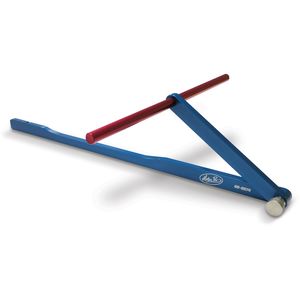
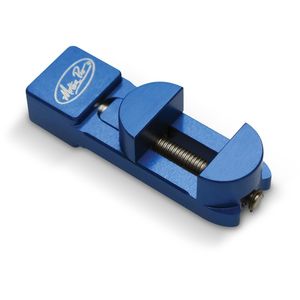
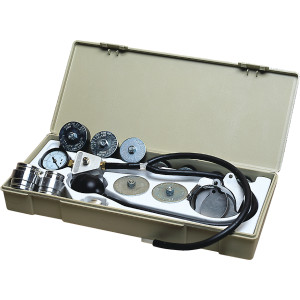
A low-pressure tire gauge is essential, with belt deflection gauges for CVT machines and chain alignment/slack tools for sport quads; add calipers or feeler gauges for brake and clearance checks. Pick portable options for trail use and sturdier shop tools for regular garage work.
Should I choose a digital or analog tire pressure gauge for ATV riding?
Digital gauges offer quick, backlit reads and fine control, while analog designs are rugged and battery-free in harsh conditions. For off-road use, look for a bleed valve, flexible hose, and an angled or swivel chuck for tight valve access.
What features help ATV measurement tools handle mud, water, and cold?
Choose metal-bodied tools with rubber guards, sealed buttons/hoses, and corrosion-resistant fittings. Clear, impact-protected displays and protective cases improve longevity in wet, gritty environments.
How do common ATV mods affect which measurement tools I need?
Larger tires or beadlocks pair well with low-pressure gauges and angled chucks; suspension changes benefit from sag tools; drivetrain changes may call for chain alignment/slack tools or a belt deflection gauge on CVT setups. Match tools to the components you’ve upgraded to keep setup consistent across terrain.
How should I care for measurement tools to keep them accurate?
Rinse and dry after muddy rides, store in a case, and avoid impacts that can knock readings out of spec. Re-zero or check calibration periodically and replace batteries on digital tools before big trips.