Begin typing to search, when autocomplete results are available use up and down arrows to review and enter to select. Selecting an options will take you to a new page. Touch device users, explore by touch.SEARCH
Search within a riding style, select an optionBegin typing to search, when autocomplete results are available use up and down arrows to review and enter to select. Selecting an options will take you to a new page. Touch device users, explore by touch.
Free shipping on orders over $79 to Illinois
Orders over $79.00 will receive free shipping. This is a residential delivery service, deliveries Monday through Friday from 9:00am to 8:00pm.
What protection features should I look for in UTV touring boots?
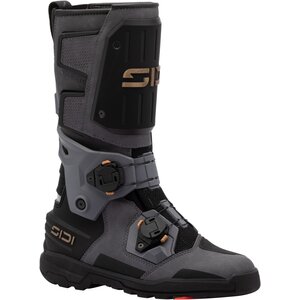
Prioritize boots with midsole and toe protection, reinforced ankle and crush protection, and torsional support; waterproof construction and abrasion-resistant panels are also key for touring across varied terrain.
How should UTV touring boots fit for long days on the trail?
Look for a balance of protective stiffness and enough flex to operate pedals and feel controls, secure closures that prevent slippage, and a comfortable internal profile that won’t pinch during extended rides.
Which materials and sole compounds are best for mixed-terrain UTV touring?
Choose boots with durable, abrasion-resistant uppers (leather or tough synthetics), reinforced high-wear panels, and a grippy, oil- and slip-resistant rubber sole with good edge bite for uneven surfaces; a breathable waterproof membrane helps in wet conditions.
How do I maintain touring boots to keep them waterproof and durable?
Rinse off mud, let boots dry naturally away from direct heat, condition leather or treat synthetics per manufacturer guidance, reapply waterproofing treatments as needed, and routinely check buckles, zippers, and soles for wear.
How should touring boots interact with UTV controls and common floorboard or peg upgrades?
Opt for soles with low-profile toe areas and guarded insteps to clear pedals and modified floorboards, use secure closures to prevent snagging, and always inspect for interference or pressure points before long rides.