Begin typing to search, when autocomplete results are available use up and down arrows to review and enter to select. Selecting an options will take you to a new page. Touch device users, explore by touch.SEARCH
Search within a riding style, select an optionBegin typing to search, when autocomplete results are available use up and down arrows to review and enter to select. Selecting an options will take you to a new page. Touch device users, explore by touch.
Free shipping on orders over $79 to Illinois
Orders over $79.00 will receive free shipping. This is a residential delivery service, deliveries Monday through Friday from 9:00am to 8:00pm.
What certification level do I need for street riding versus aggressive UTV or track use?
Choose CE Level 1 (EN 1621-3/EN 1621-2) for everyday street, adventure, or casual off-road riding for lightweight, flexible impact protection, and opt for CE Level 2 for high-speed track days or aggressive UTV/off-road riding where thicker, more rigid protection is required.
How do I match chest armor to my vehicle and terrain?
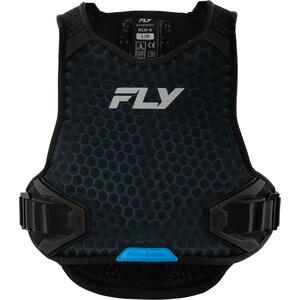
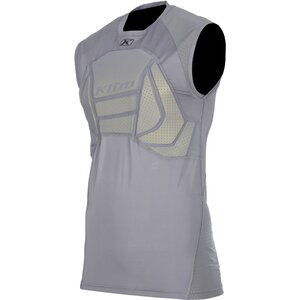
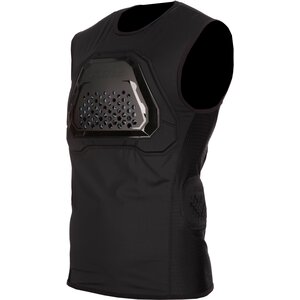
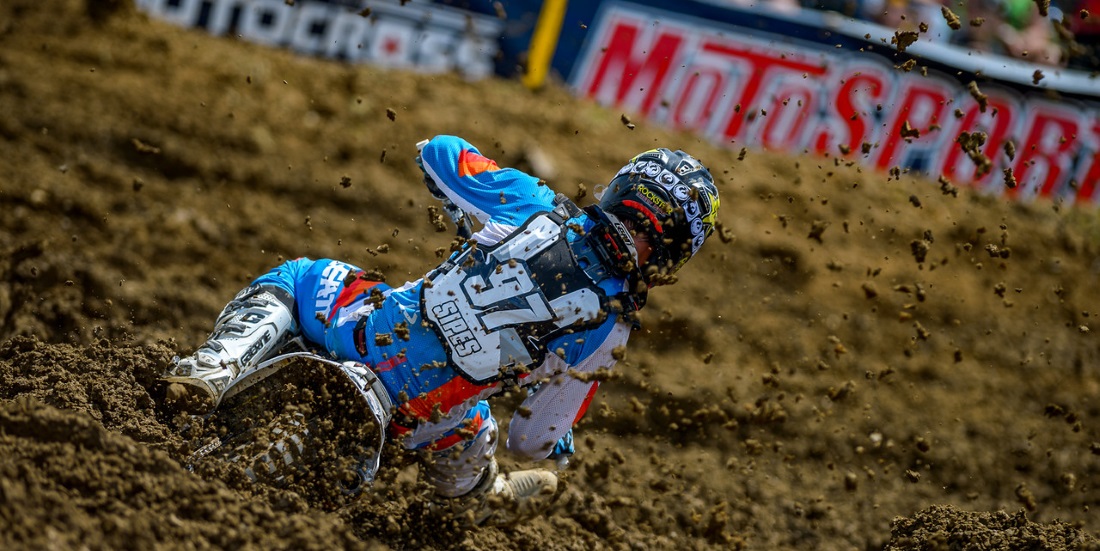
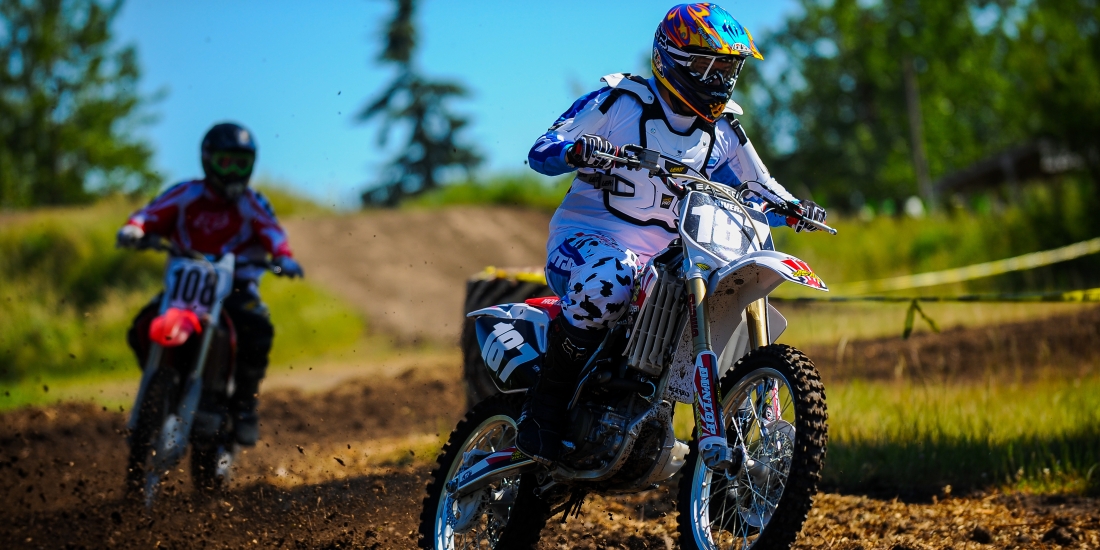
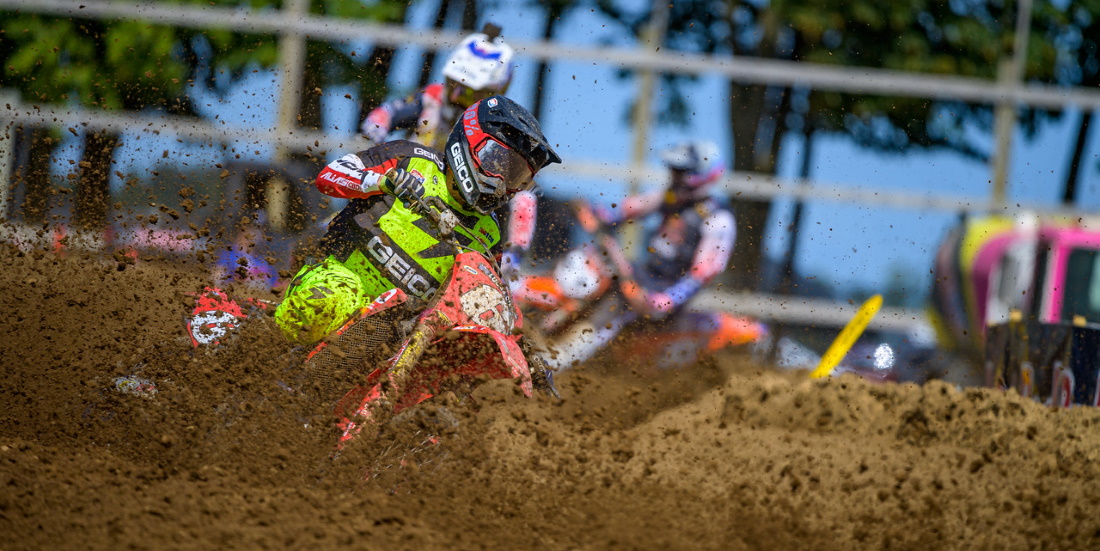
For UTVs and rough off-road trails choose full chest protectors or body armor with back, shoulder, and kidney coverage and a hard-shell or multi-layer construction; for mixed adventure riding pick ventilated soft-foam vests; for street/cruiser use low-profile chest inserts or lightweight vests that fit under a jacket.
What materials and technologies should I prioritize when shopping for chest armor?
Decide between soft foam for comfort and hard-shell or multi-layer plates for high-impact and roost protection, and look for viscoelastic or repeat-impact compounds (for example viscoelastic inserts or repeat-impact foams) and airbag compatibility if maximum protection is needed.
What fit and comfort features matter for long rides in hot or variable weather?
Prioritize adjustable shoulder and waist/kidney straps to prevent shifting, breathable/ventilated or perforated designs for hot conditions, and low-profile, layerable options for cold or under-jacket use to maintain mobility without excess bulk.
How should I maintain chest armor to ensure continued protection and durability?
Keep armor clean and dry, air-dry mesh or foam components after use, regularly inspect for cracks, compression, or damage, and replace any insert or shell that shows significant wear or impact damage to retain certified protection.