Begin typing to search, when autocomplete results are available use up and down arrows to review and enter to select. Selecting an options will take you to a new page. Touch device users, explore by touch.SEARCH
Search within a riding style, select an optionBegin typing to search, when autocomplete results are available use up and down arrows to review and enter to select. Selecting an options will take you to a new page. Touch device users, explore by touch.
Free shipping on orders over $79 to Illinois
Orders over $79.00 will receive free shipping. This is a residential delivery service, deliveries Monday through Friday from 9:00am to 8:00pm.
What are UTV foot controls made for and how are they different from motorcycle foot pegs?
UTV foot controls are built for side-by-side cabins with pedals, steering wheels, and bench seating, focusing on pedal/shifter function and footwell protection rather than motorcycle-style pegs; they’re not intended for dirtbikes, street bikes, or solo ATVs.
Which materials and constructions should I choose for aggressive off-road UTV use?
Pick metal options like aluminum alloy, billet, or steel for impact resistance on rocks and rough terrain, while plastic suits light-duty or budget use; look for corrosion-resistant finishes and reinforced designs for long-lasting performance.
What grip, traction, and protection features matter for UTV foot controls?
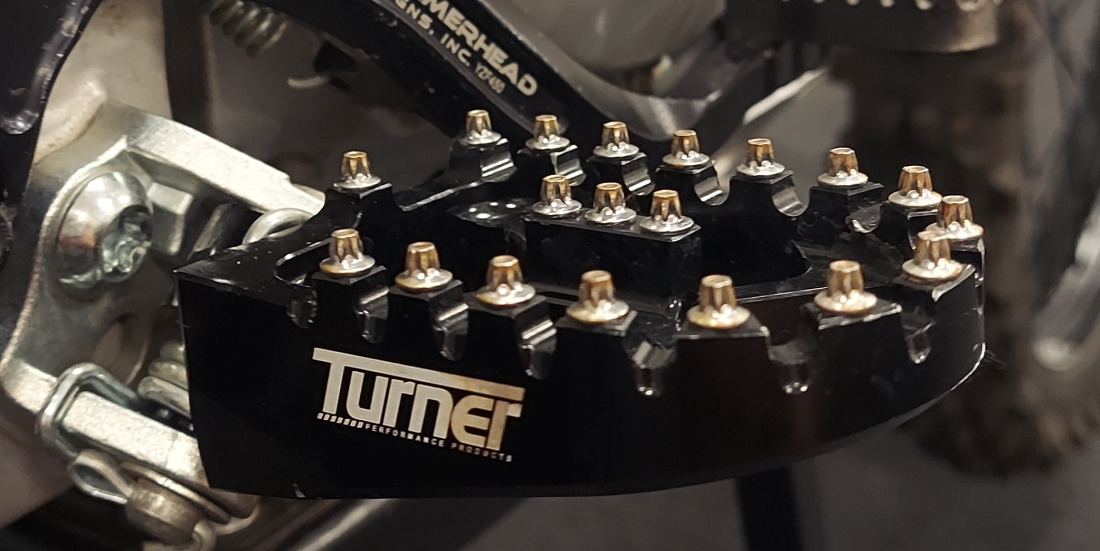
Seek convex traction surfaces, aggressive teeth, rubber-coated areas or raised edges to secure boots, plus footwell protection or nerf-style bars to shield against debris and impacts while keeping boots clear of levers.
How should I approach compatibility, adjustability, and ease of install for UTV controls?
Choose model-specific parts or items with adapters, pre-drilled mounting points, and compatible shift cable lengths or lever interfaces, and favor folding/pivot designs for easy adjustment to rider position and common cabin mods.
What maintenance and inspection steps keep UTV foot controls performing in tough conditions?
Regularly clear mud and debris, inspect traction teeth and rubber coatings for wear, lubricate pivots and linkage, and check mounting hardware after heavy use to maintain durability and safe operation.