Begin typing to search, when autocomplete results are available use up and down arrows to review and enter to select. Selecting an options will take you to a new page. Touch device users, explore by touch.SEARCH
Search within a riding style, select an optionBegin typing to search, when autocomplete results are available use up and down arrows to review and enter to select. Selecting an options will take you to a new page. Touch device users, explore by touch.
Free shipping on orders over $79 to Illinois
Orders over $79.00 will receive free shipping. This is a residential delivery service, deliveries Monday through Friday from 9:00am to 8:00pm.
What do UTV big bore kits do, and who are they for?
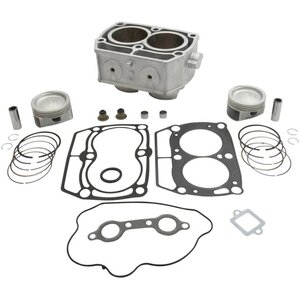
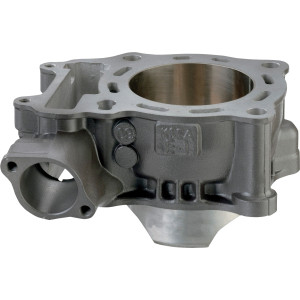
They increase displacement to deliver stronger torque and power under load, ideal for trails, dunes, and performance builds. Always match the kit to your exact engine make, model, and year to protect reliability.
How do I choose the right bore size and kit type for my terrain?
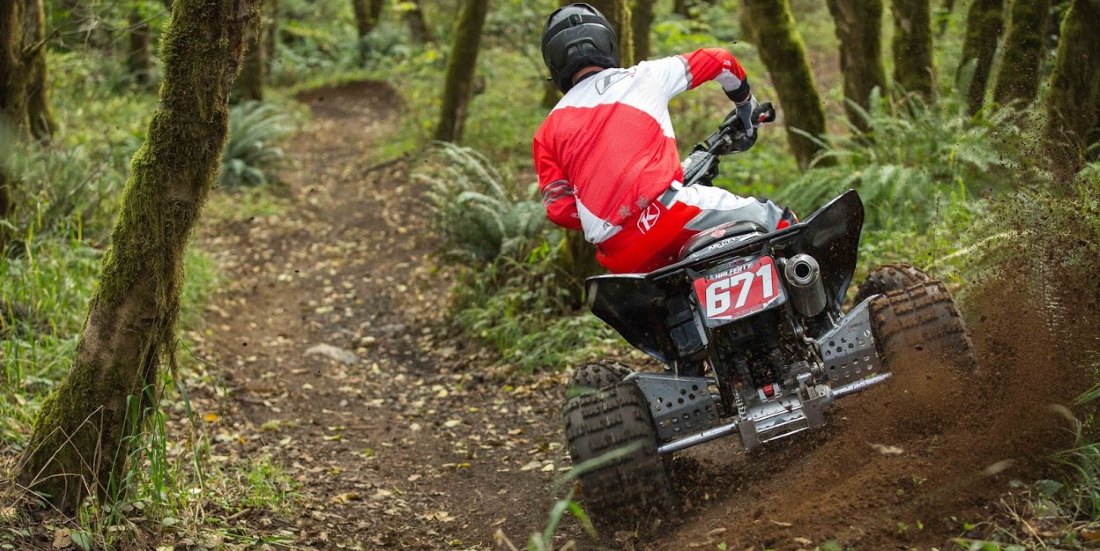
Mild increases favor low-end pull and easier installs; larger bores suit aggressive riding and heat but often need supporting mods and professional work. For most trail riders, a drop-in kit offers balanced gains and durability.
Which cylinder and piston features should I prioritize?
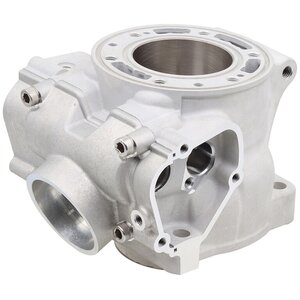
Choose aluminum cylinders with wear-resistant coatings like Nikasil and forged pistons for high-heat, high-load use; cast pistons work for casual riding. Dome pistons emphasize low-end torque, while flat tops help higher revs; use base gaskets to fine-tune compression.
What should a big bore kit include, and what else might I need?
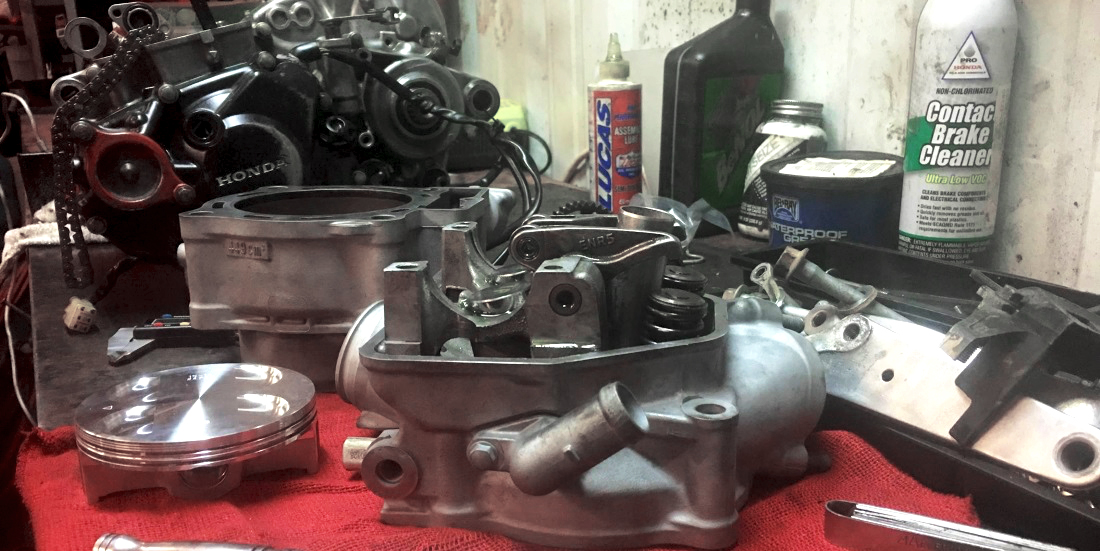
Look for a cylinder, piston, rings, gaskets, and the necessary hardware—some kits also include cams. Plan on ECU/fueling updates and additional tools or machining if the kit is not drop-in.
How should I approach installation and tuning on a RZR or Can-Am style UTV?
Drop-in kits install with common tools; non-drop-in may require case or head machining best handled by a pro. After assembly, verify clearances, perform careful break-in, and retune fueling to match the added displacement.