Begin typing to search, when autocomplete results are available use up and down arrows to review and enter to select. Selecting an options will take you to a new page. Touch device users, explore by touch.SEARCH
Search within a riding style, select an optionBegin typing to search, when autocomplete results are available use up and down arrows to review and enter to select. Selecting an options will take you to a new page. Touch device users, explore by touch.
Free shipping on orders over $79 to Illinois
Orders over $79.00 will receive free shipping. This is a residential delivery service, deliveries Monday through Friday from 9:00am to 8:00pm.
How should I pick the right rear brake pad for utility riding?
Confirm compatibility with your vehicle’s make, model and brake system, then choose a compound that matches your riding style, terrain, vehicle type and typical weather for the best balance of stopping power, feel and longevity.
What are the practical differences between organic, sintered, and semi-sintered rear pads?
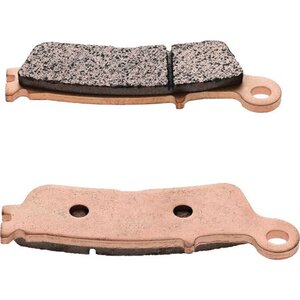
Organic pads give smooth progressive bite for everyday street use but wear faster in heat or wet; sintered pads deliver high stopping power and long life for off-road, wet or heavy-duty use but can be harsher on rotors; semi-sintered pads are a balanced compromise for mixed terrain and climates.
Which rear pad compound is best for utility ATVs, UTVs, or heavy-duty tasks?
Choose sintered or semi-sintered compounds for utility platforms because they resist heat and moisture, last longer under heavy use, and shed debris better; look for pads with slots or drilling to aid water and heat dispersion.
What should I check during installation and initial break-in of rear brake pads?
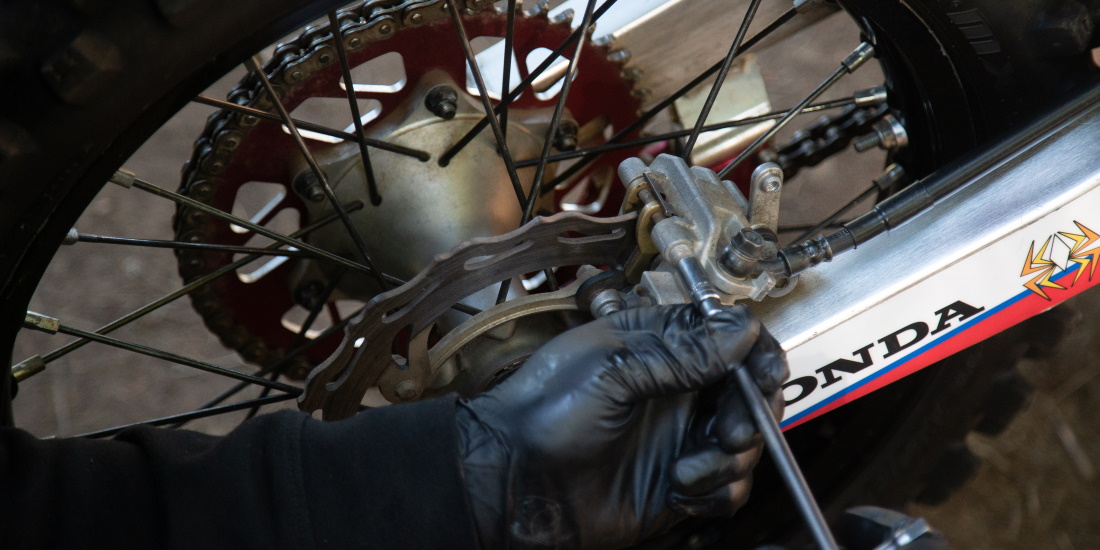
Ensure pads sit flush with the rotor, calipers engage evenly and clearances are proper, follow the recommended bedding-in procedure, then recheck for even wear, noise or glazing after initial use.
How do riding style and weather affect pad life and maintenance needs?
Aggressive riding, frequent towing or harsh terrain and extreme wet or hot conditions increase wear—sintered pads hold up best for heavy use while organics may need more frequent replacement; inspect for reduced bite, excess dust or rotor scoring and replace when performance drops.