Begin typing to search, when autocomplete results are available use up and down arrows to review and enter to select. Selecting an options will take you to a new page. Touch device users, explore by touch.SEARCH
Search within a riding style, select an optionBegin typing to search, when autocomplete results are available use up and down arrows to review and enter to select. Selecting an options will take you to a new page. Touch device users, explore by touch.
Free shipping on orders over $79 to Illinois
Orders over $79.00 will receive free shipping. This is a residential delivery service, deliveries Monday through Friday from 9:00am to 8:00pm.
What key attributes should I compare when choosing exhaust heat protection?
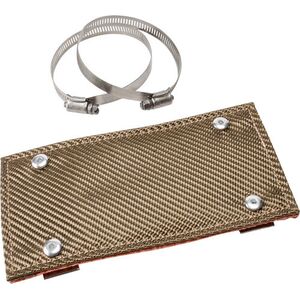
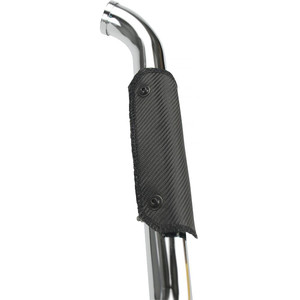
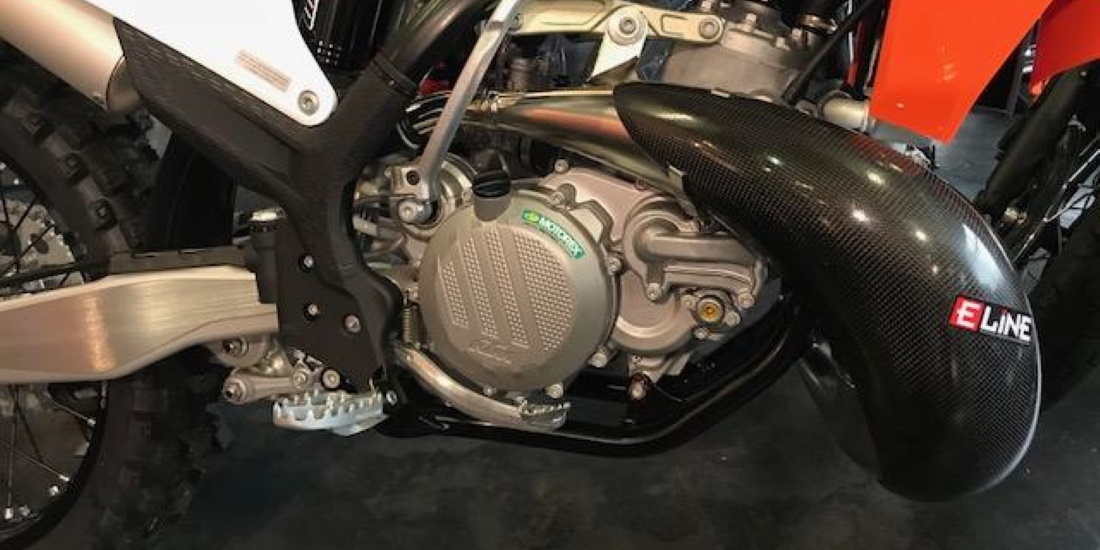
Prioritize material type, coverage area, mounting method, heat resistance, and compatibility with your exhaust shape and diameter; reflective metals block the most radiant heat while flexible wraps conform to bends and lighter composite guards offer vented, non-conductive protection. Choose bolt-on clamps for secure, removable fit and confirm adequate clearance from swingarm, wiring, and bodywork.
Which heat protection works best for off-road and adventure riding versus street commuting?
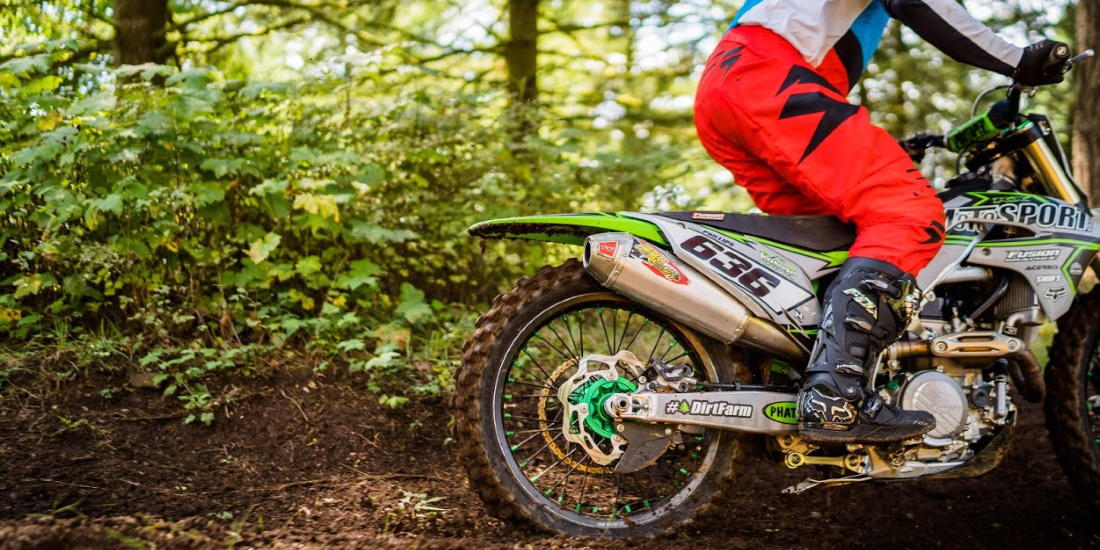
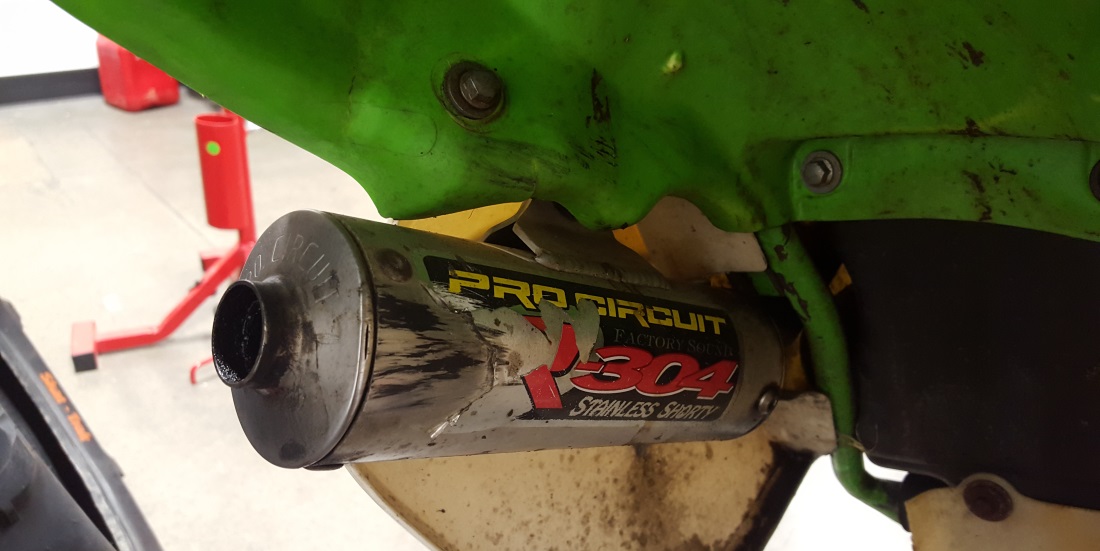
For off-road/adventure, rugged metal shields or abrasion-resistant wraps are best for debris and vibration, and avoid moisture-trapping wraps on steel pipes; for street/commuting, ventilated stainless shields or braided sleeves manage stop-and-go heat while maintaining a low profile.
How do maintenance and durability vary between shields, wraps, composites, and coatings?
Rigid metal shields and ceramic coatings are low-maintenance, corrosion-resistant, and easy to clean, while woven wraps may require periodic inspection for moisture, fraying, or corrosion; composites and carbon-style guards need inspection for warping or vent blockage.
Can heat protection affect performance or rider comfort?
Yes—wrap-and-shield combos retain exhaust heat to support efficiency and power in some setups, while high-reflectivity metal shields greatly reduce radiant heat to protect legs, boots, and luggage for better rider comfort.
What should I watch for during installation and when using common mods like luggage or footpegs?
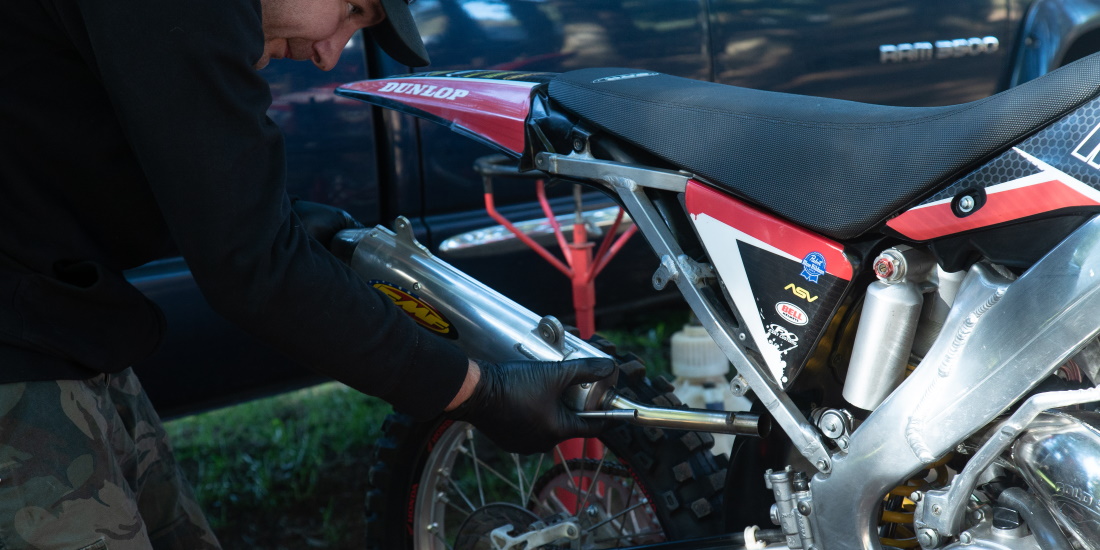
Ensure proper alignment and airflow around the guard, use reinforced clamps instead of temporary ties, and verify clearance with luggage, footpegs, and routed wiring to prevent chafing or heat transfer; inspect mounts and seals regularly after adding accessories.