Begin typing to search, when autocomplete results are available use up and down arrows to review and enter to select. Selecting an options will take you to a new page. Touch device users, explore by touch.SEARCH
Search within a riding style, select an optionBegin typing to search, when autocomplete results are available use up and down arrows to review and enter to select. Selecting an options will take you to a new page. Touch device users, explore by touch.
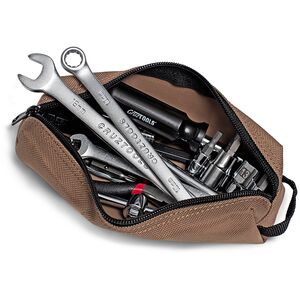
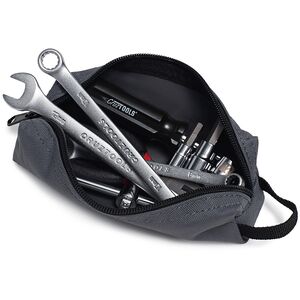
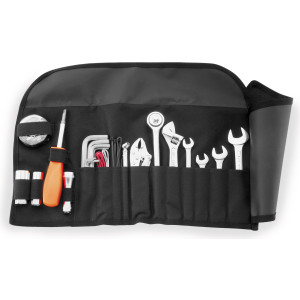
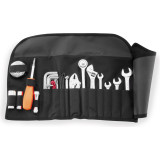
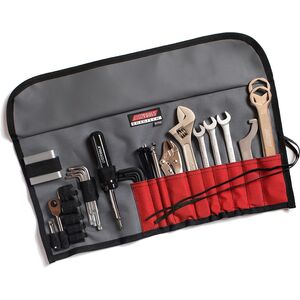
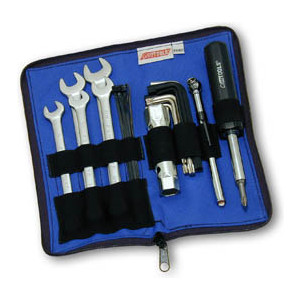
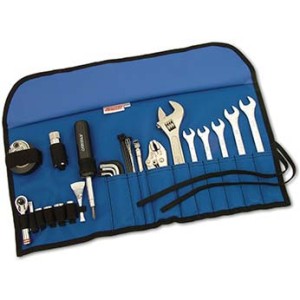
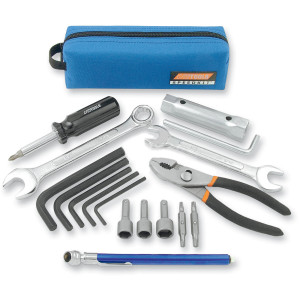
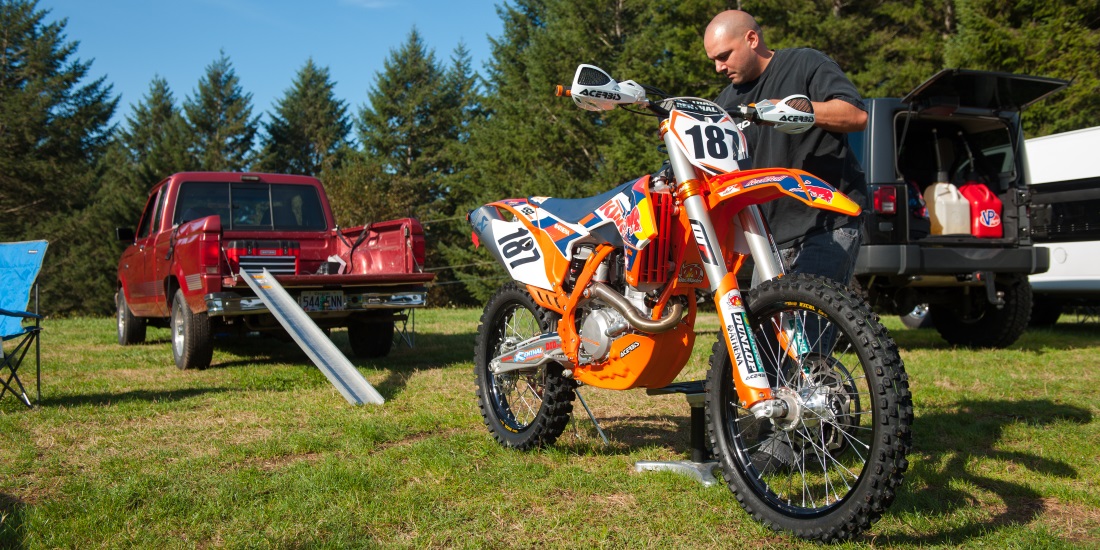
Some people have to do it themselves and for good reason. A motorcycle tool kit contains everything needed for routine maintenance and unexpected repairs. You can spend big money at a shop or complete the repairs plus reduce the downtime of leaving your ride at the shop. The convenience of performing minor repairs and adjustments on the go also helps when traveling through areas with no repair shops. Kits come in a variety of layouts featuring wrenches, screwdrivers, sockets and pliers. Learning to wrench on your ride and deepen your mechanical skills not only saves you money but gives you a better understanding of how your motorcycle rides and operates allowing you to improve comfort, safety, and performance.
How do I pick the right motorcycle tool kit for my bike and fasteners?
Start with your platform and fastener spec: modern street/ADV often need metric, Torx, and hex, while some cruisers/vintage may use SAE or Whitworth. Choose a kit aligned to your ride (street, ADV, dirt, ATV/UTV) or a bike‑specific set to avoid mismatched sizes.
What tools should off-road riders pack versus street or touring riders?
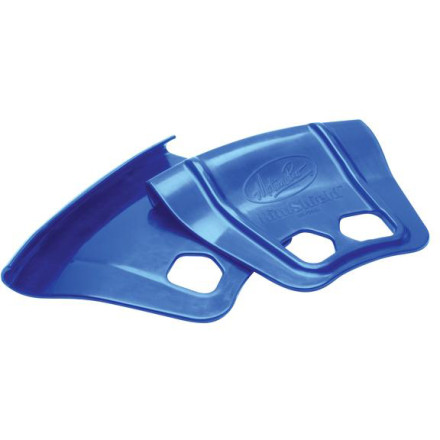
Off-road/dirt riders should prioritize tire repair gear, tire levers, a chain breaker/brush, duct tape, and a shock spanner for on-trail fixes. Street/touring setups focus on adjustable wrenches, pliers, screwdrivers, basic sockets, and spare fuses/bulbs.
What’s the difference between a day-ride kit and a long-haul/adventure kit?
Day kits stay compact—multi-tool, Phillips/flat drivers, tire gauge, small flashlight, and a rag. Long-haul/ADV adds ratchet and sockets (metric/SAE as needed), torque wrench, tire repair kit, multimeter, zip ties, and spare battery cables.
Which tool roll or case materials work best in wet or dusty conditions?
Go for waterproof rolls/bags (like ballistic nylon) and rust-resistant tools, then clean and dry everything after use. In hot or dusty environments, lightweight premium tools hold up better and resist wear.
Is a pre-made tool kit better than building a custom kit?
Pre-made kits are convenient, while custom builds can be lighter and higher-grade, tailored to your fasteners, terrain, and trip length. Start with essentials (wrenches, sockets, pliers, hex/Torx), keep it compact, and confirm needs in your service manual—then practice using the kit at home.