Begin typing to search, when autocomplete results are available use up and down arrows to review and enter to select. Selecting an options will take you to a new page. Touch device users, explore by touch.SEARCH

Search within a riding style, select an optionBegin typing to search, when autocomplete results are available use up and down arrows to review and enter to select. Selecting an options will take you to a new page. Touch device users, explore by touch.
Free shipping on orders over $79 to Illinois
Orders over $79.00 will receive free shipping. This is a residential delivery service, deliveries Monday through Friday from 9:00am to 8:00pm.
How do I choose the right throttle, clutch, or brake cable for my motorcycle?
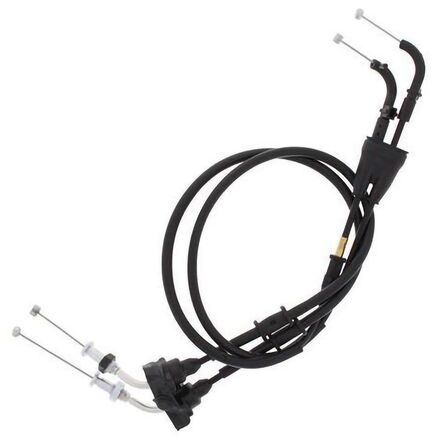
Prioritize exact compatibility with your bike’s make, model, and year, then match cable length, routing path, and end-fitting style; also consider lined vs unlined interiors for smoother action and whether the sheath is corrosion-resistant.
Which cable types work best for different riding styles and terrains?
Off-road and utility platforms benefit from adjustable or universal cables with flexible, kink-resistant housings, street and adventure bikes favor lined performance cables for precise response, and cruisers/custom bikes often need longer, adjustable cables to suit handlebar position.
How should I account for handlebar changes or common mods when buying a cable?
Choose adjustable cables or longer routed cables to accommodate altered handlebar height or controls, verify end fittings match your controls, and prefer housings that keep factory bends without kinking for reliable operation.
What materials and construction features resist corrosion and extend cable life in wet or salty conditions?
Look for stainless or high-tensile inner cables, tightly wound, coated housings with corrosion-resistant finishes, and lined low-friction interiors; sealed designs reduce maintenance but limit re-lubing options.
What installation and maintenance checks prevent cable failures and keep controls smooth?
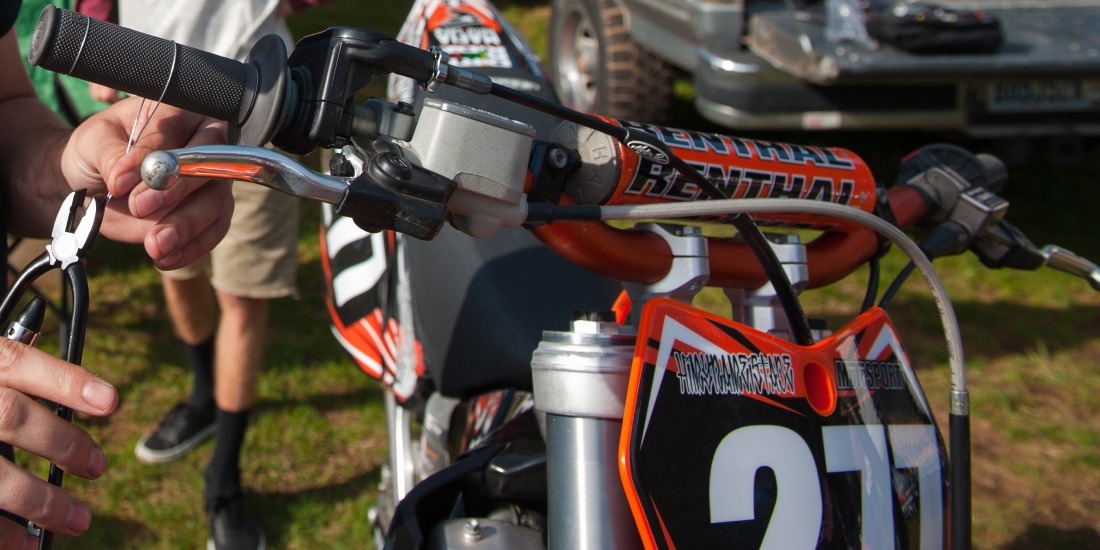
Ensure routing follows factory bends without sharp kinks, inspect ends for fraying or incorrect fittings, check tension and free play after installation, and use lined or serviceable cables with proper lubrication where applicable.