Begin typing to search, when autocomplete results are available use up and down arrows to review and enter to select. Selecting an options will take you to a new page. Touch device users, explore by touch.SEARCH
Search within a riding style, select an optionBegin typing to search, when autocomplete results are available use up and down arrows to review and enter to select. Selecting an options will take you to a new page. Touch device users, explore by touch.
Free shipping on orders over $79 to Illinois
Orders over $79.00 will receive free shipping. This is a residential delivery service, deliveries Monday through Friday from 9:00am to 8:00pm.
What should I prioritize when choosing throttle, clutch, and brake cables for dirtbikes?
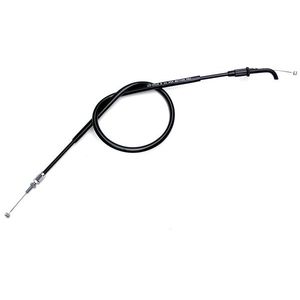
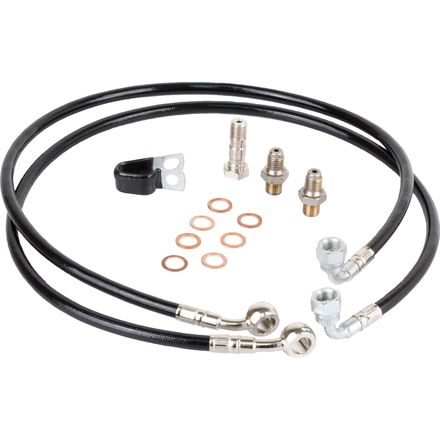
Prioritize flexibility and appropriate diameter for your ride and terrain, choose a strong, corrosion-resistant core material (stainless or Kevlar/synthetic blends), and pick a low‑friction, abrasion‑resistant housing to ensure responsiveness, durability, and safety.
How do cable materials and construction affect off‑road performance?
Core material controls strength and wear—stainless offers balanced strength, while Kevlar/synthetic blends add superior flexibility under stress—and a temperature/chemical‑resistant sheath with abrasion protection preserves function in mud, oil, and UV exposure.
How do handlebar swaps or routing changes affect cable choice and installation?
Changes in routing or handlebar geometry demand longer or more flexible cables and housings with smooth liners to prevent binding; verify end fittings and routing clearance and choose cables rated for frequent movement and abrasion resistance for reliable operation.
Which housing design is best for high‑movement dirtbike use?
Choose low‑friction, highly flexible housings with sealed ends and abrasion‑resistant outer layers so the cable runs smoothly through tight bends, resists contamination, and reduces wear from constant vibration and flex.
What maintenance and inspection cues extend cable life in muddy or wet conditions?
Keep cables clean and lightly lubricated where appropriate, inspect sheaths and end fittings for fraying or abrasion, ensure routing avoids rubbing points, and replace cables showing compromised sheath, stiff spots, or corrosion to maintain safe, responsive control.