Begin typing to search, when autocomplete results are available use up and down arrows to review and enter to select. Selecting an options will take you to a new page. Touch device users, explore by touch.SEARCH
Search within a riding style, select an optionBegin typing to search, when autocomplete results are available use up and down arrows to review and enter to select. Selecting an options will take you to a new page. Touch device users, explore by touch.
Free shipping on orders over $79 to Illinois
Orders over $79.00 will receive free shipping. This is a residential delivery service, deliveries Monday through Friday from 9:00am to 8:00pm.
Look along the rim of your tire. You should be able to find a group of numbers separated by slashes and/or dashes. There are two general types of tire sizing, metric and english.
Most street and dirt bikes use metric sizes. A metric size will look like 100/90-19. Most ATVs use english sizes, english size will look like 35x10-15.
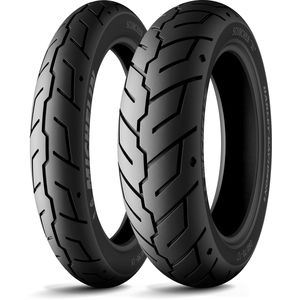
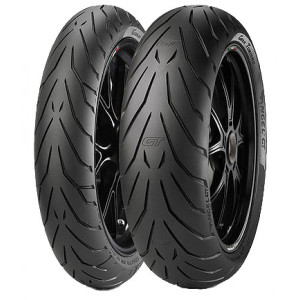
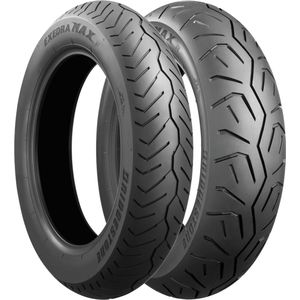
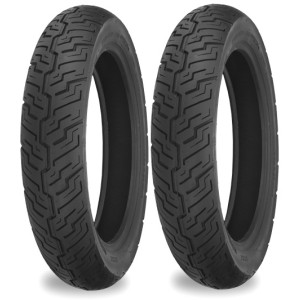
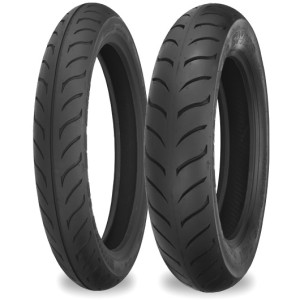
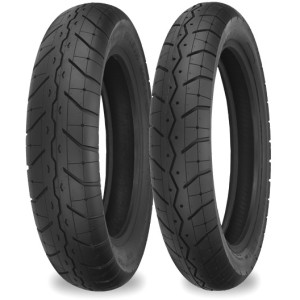
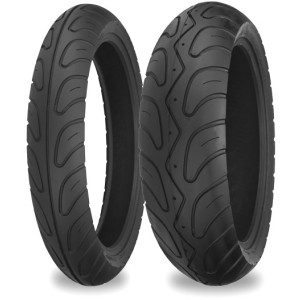
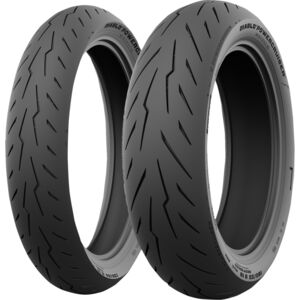
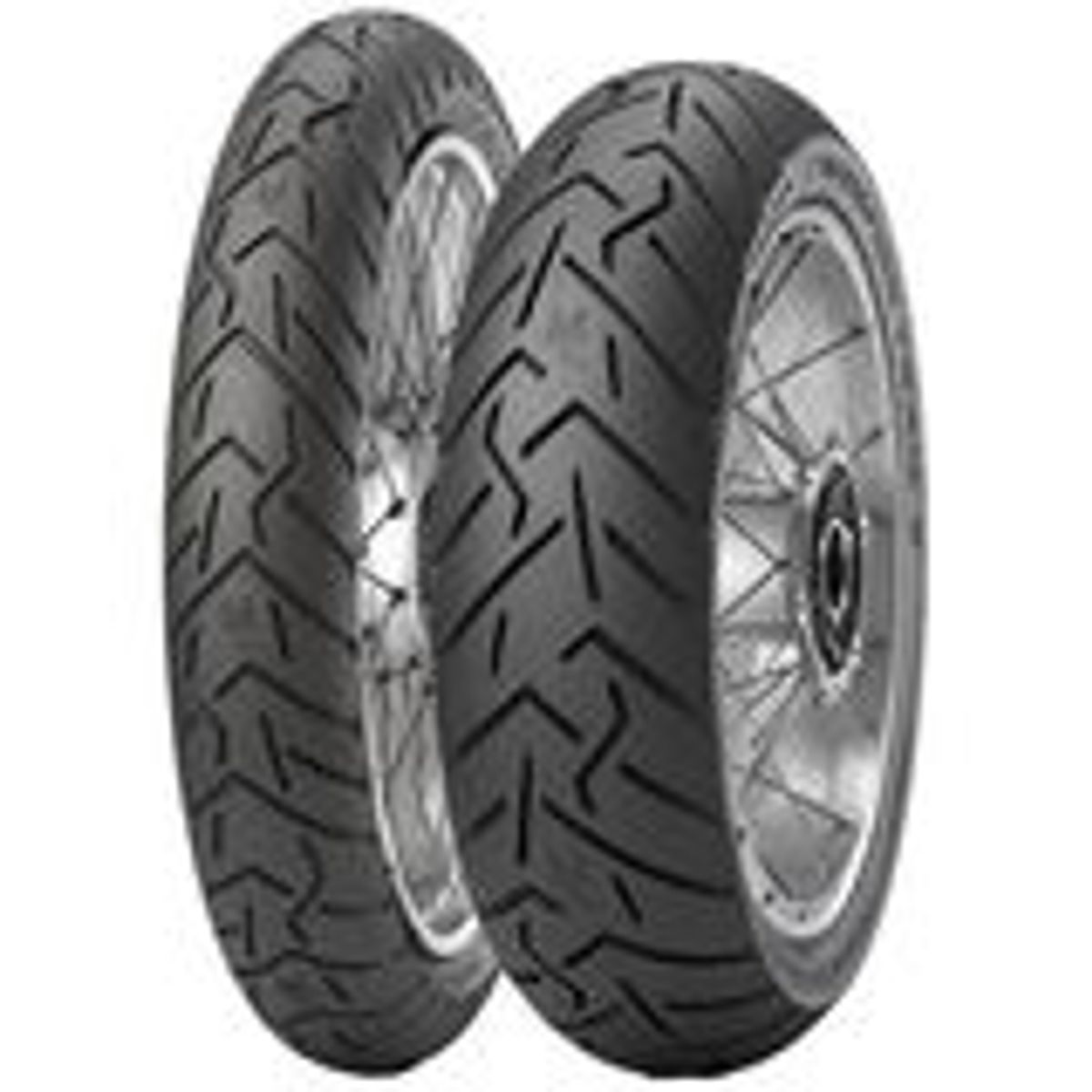
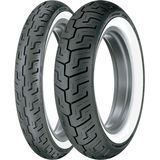
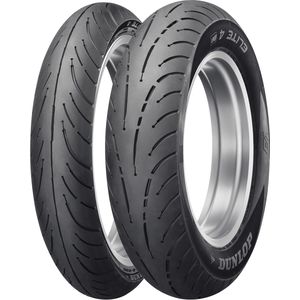
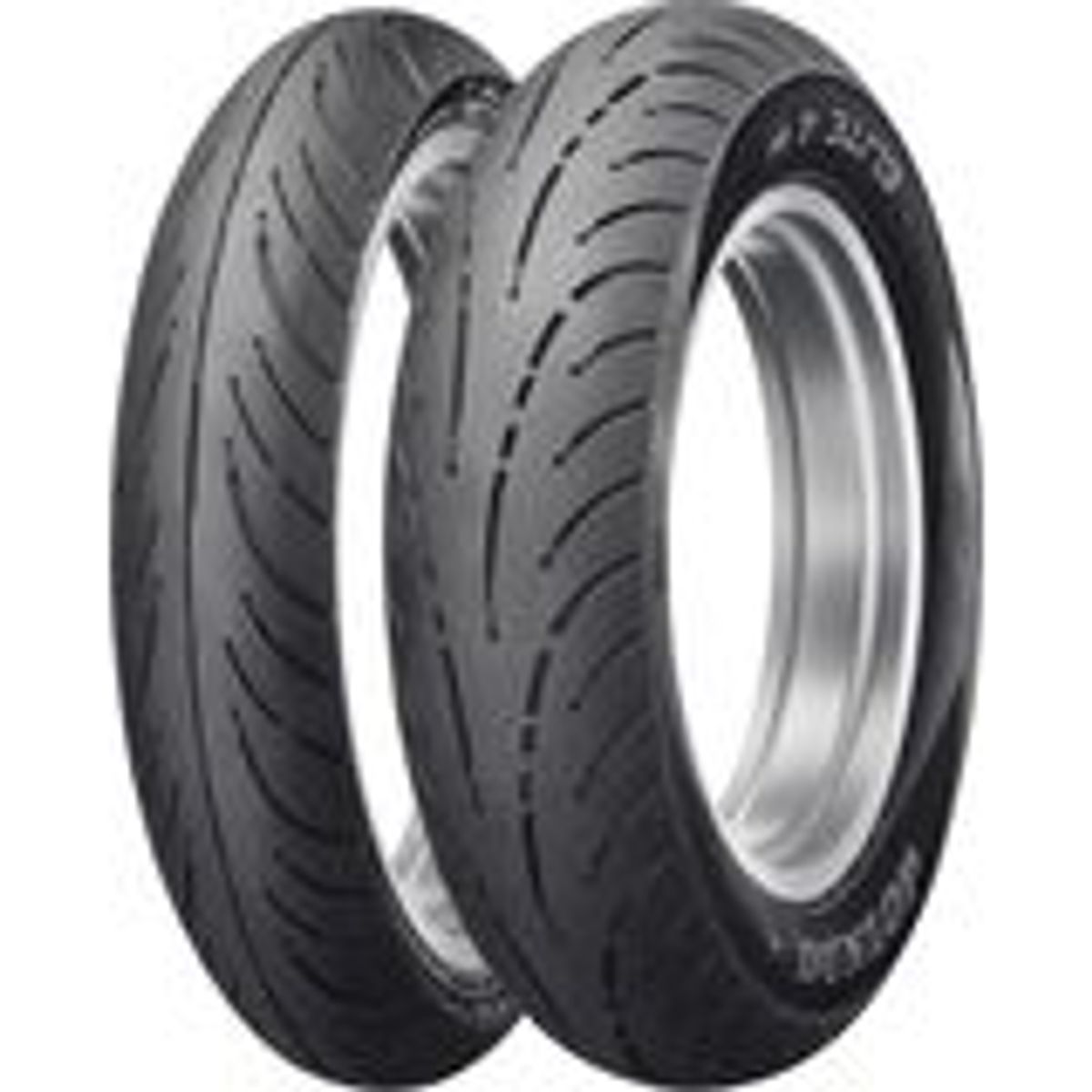
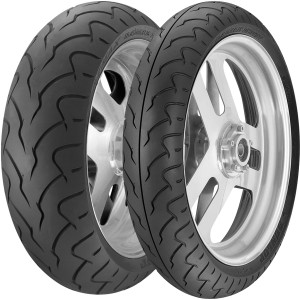
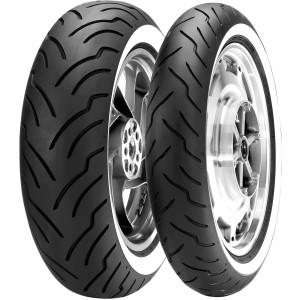
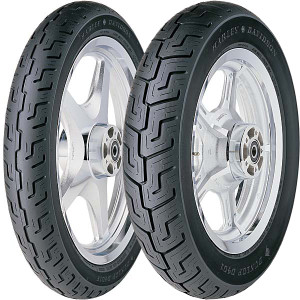
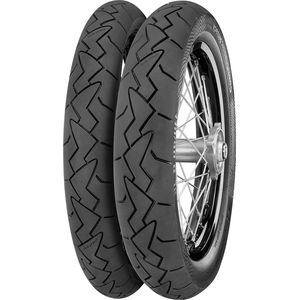
How do I choose the right tire combo for my cruiser?
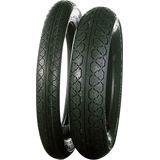
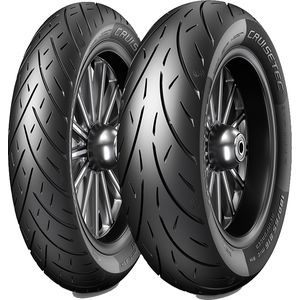
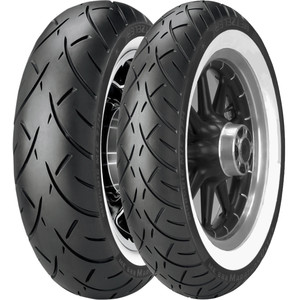
Match your bike’s stock size, load index, and speed rating, prioritize bias‑ply construction, then pick a tread and compound that fit your primary terrain and weather (smoother patterns for dry pavement, deeper grooves for frequent rain). This keeps handling predictable and extends tire life.
Can I change tire size or profile on my cruiser?
Sticking to stock sizes delivers the most stable handling and proper clearance; sizing changes can affect steering, ride height, and wear. If you experiment, do so carefully and keep front and rear complementary.
Bias‑ply or radial—what’s better for cruisers?
Bias‑ply is the go‑to for cruisers thanks to sturdy sidewalls and higher load capacity, while radials can offer added high‑speed stability but are less common on this platform. Choose the construction recommended for your bike and keep the combo consistent front to rear.
Tubeless or tube‑type—what should I run?
Use tubeless if your wheels are designed for it for easier puncture management and a lighter feel; traditional spoked wheels may require tubes. Match the combo to your wheel type for safe sealing and straightforward installation.
What should I do at install and after to maximize life and performance?
Have the set mounted and balanced, verify bead seating, and recheck pressures after the first rides; then inspect tread for even wear and keep pressures tuned to your typical load. If you often carry a passenger or luggage, pick a higher load rating and maintain pressures accordingly.