Begin typing to search, when autocomplete results are available use up and down arrows to review and enter to select. Selecting an options will take you to a new page. Touch device users, explore by touch.SEARCH
Search within a riding style, select an optionBegin typing to search, when autocomplete results are available use up and down arrows to review and enter to select. Selecting an options will take you to a new page. Touch device users, explore by touch.
Why pick a textile cruiser jacket for street rides?
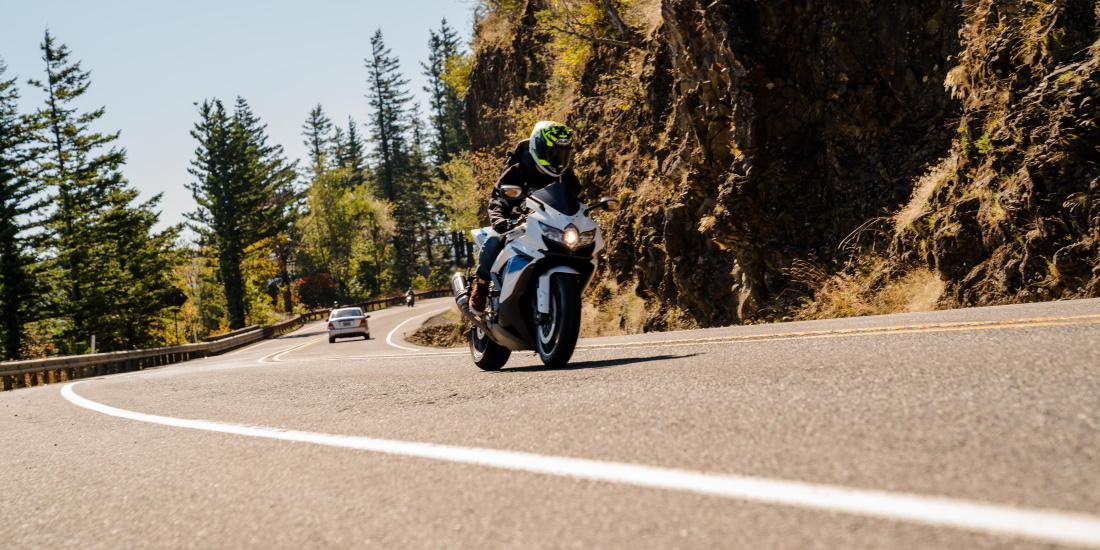
Textile is lighter and breathes better than leather, with vents and removable liners that adapt to changing weather. It’s built for comfort in a relaxed, upright posture on pavement—not for aggressive off-road use.
What protection should I look for in these jackets?
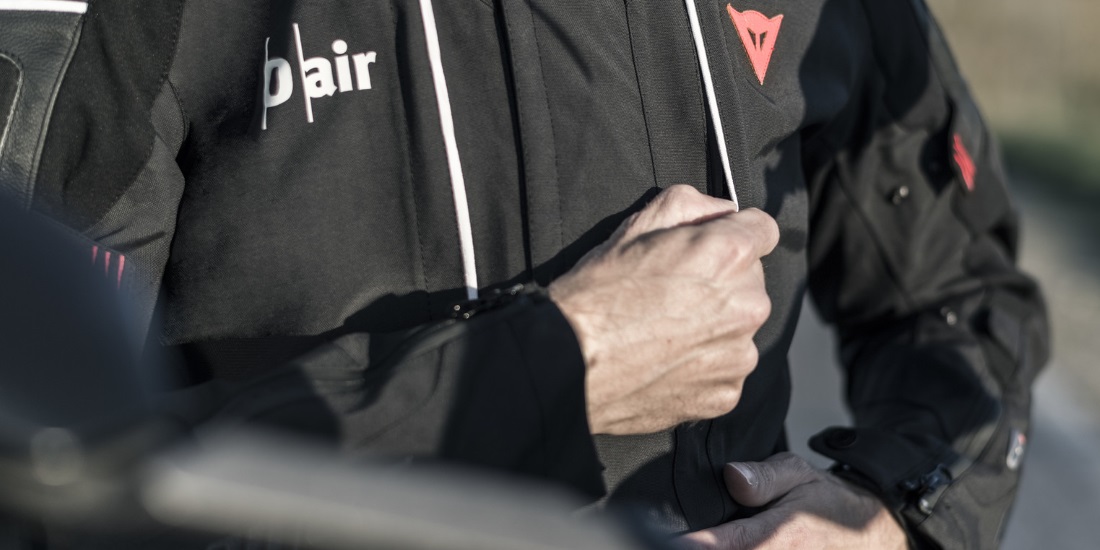
Choose CE-rated armor in the shoulders, elbows, and back with a secure, snug fit so pads stay put. Abrasion-resistant fabrics like Cordura or Kevlar blends and reflective accents further boost road safety.
How should a cruiser textile jacket fit and adjust?
Aim for snug but flexible; use waist, cuff, and arm adjusters to stop flapping and keep armor aligned. In riding position, sleeves shouldn’t pull and the collar should stay comfortable.
Which features work best for hot versus wet/cold conditions?
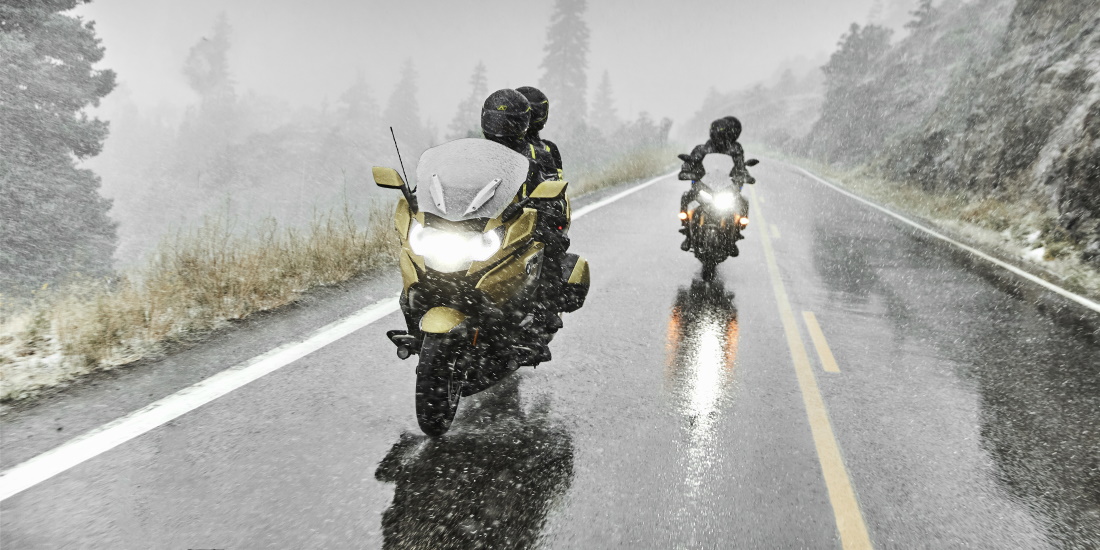
For heat, prioritize mesh panels and large vents; for rain and cold, choose zip-in waterproof and thermal liners with a slightly longer hem to overlap pants. These options fine-tune airflow and insulation without extra bulk.
How do I care for a textile cruiser jacket to maximize durability?
Clean with mild soap per the label and air dry, then refresh the water-repellent finish as needed. Regularly check seams, zippers, and armor pockets, and remove liners to wash or air out.