Begin typing to search, when autocomplete results are available use up and down arrows to review and enter to select. Selecting an options will take you to a new page. Touch device users, explore by touch.SEARCH
Search within a riding style, select an optionBegin typing to search, when autocomplete results are available use up and down arrows to review and enter to select. Selecting an options will take you to a new page. Touch device users, explore by touch.
Free shipping on orders over $79 to Illinois
Orders over $79.00 will receive free shipping. This is a residential delivery service, deliveries Monday through Friday from 9:00am to 8:00pm.
Which brake pad compound should I choose for cruiser front brakes?
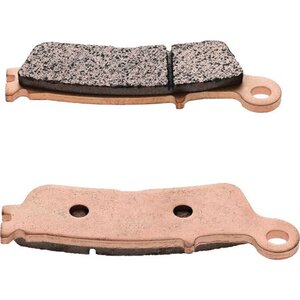
For cruiser front pads pick organic compounds for daily commuting, flat roads and milder weather thanks to a progressive feel, low dust and rotor-friendly wear; choose sintered pads when you need stronger initial bite, high heat resistance and durability for aggressive braking, wet conditions or heavier use, while semi-sintered offers a middle ground.
How do riding conditions and terrain influence my cruiser front pad choice?
Use organic pads for mostly dry, A-to-B street riding on flatter terrain and lighter braking, and switch to sintered or semi-sintered pads for hilly terrain, frequent hard stops, mud or wet conditions where heat resistance and longevity matter.
Are cruiser front brake pads difficult to install and bed in?
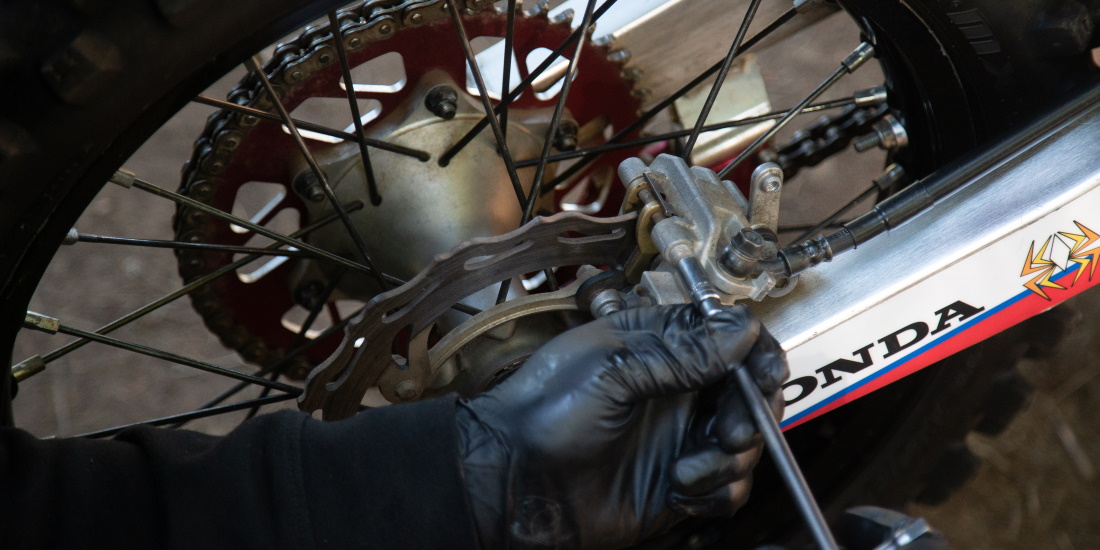
Installation is generally straightforward—ensure proper alignment, pad clearance and secure hardware—and bed new pads with gradual, controlled stops to seat the material and avoid premature glazing or uneven wear.
How do upgrades or heavier loads affect pad selection for cruisers?
If you’ve added weight, heavier tires, or more aggressive braking components, opt for sintered or semi-sintered pads that handle higher heat and resist fade, since softer organic compounds will wear faster and can glaze under increased stress.
What maintenance checks extend the life of cruiser front brake pads?
Regularly inspect for uneven wear, glazing, unusual noise or reduced bite, keep caliper hardware and sliding surfaces clean and functional, and replace pads showing significant wear or performance change to maintain stopping power and rotor condition.