Begin typing to search, when autocomplete results are available use up and down arrows to review and enter to select. Selecting an options will take you to a new page. Touch device users, explore by touch.SEARCH
Search within a riding style, select an optionBegin typing to search, when autocomplete results are available use up and down arrows to review and enter to select. Selecting an options will take you to a new page. Touch device users, explore by touch.
Free shipping on orders over $79 to Illinois
Orders over $79.00 will receive free shipping. This is a residential delivery service, deliveries Monday through Friday from 9:00am to 8:00pm.
How do I choose the right air filter for a cruiser focused on street and urban riding?
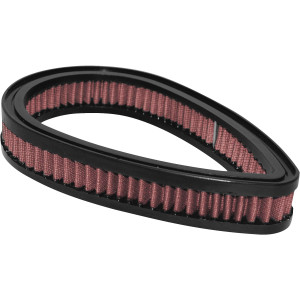
Select a filter that balances strong airflow with reliable fine-particle protection; paper suits low‑maintenance commuting, while high‑flow reusable options suit performance builds. Always choose a make/model‑specific fit and match to your maintenance preferences.
What are the main cruiser air filter materials and when should I use each?
Paper offers top filtration and easy upkeep for city/highway use. Oiled cotton gauze is reusable with higher flow for performance, foam excels in dusty/mixed surfaces, and performance polyester delivers high flow with minimal maintenance.
Will a high‑flow filter help if I’ve added pipes or a tune on my cruiser?
Yes—high‑flow elements can improve throttle response and power when paired with intake/exhaust mods. Ensure proper sealing and, on fuel‑injected bikes, avoid over‑oiling to protect sensors; consider verifying fueling after major intake changes.
What maintenance should I expect with cruiser air filters?
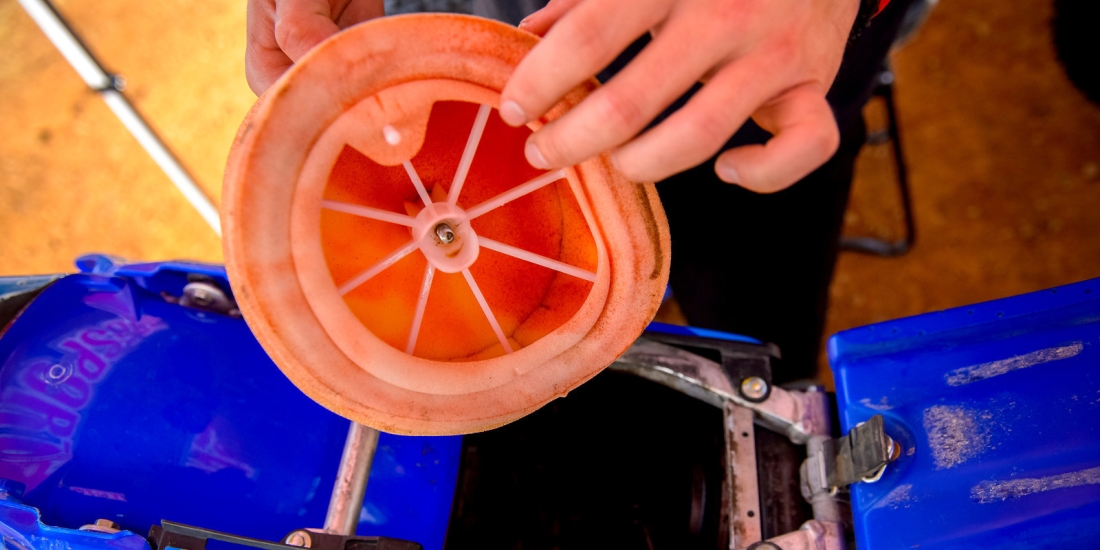
Disposable paper gets replaced at service intervals, while cotton and foam are cleaned and re‑oiled as needed; polyester typically needs only light cleaning. Inspect more often in dusty conditions or after long highway runs.
What should I watch for during installation on a cruiser?
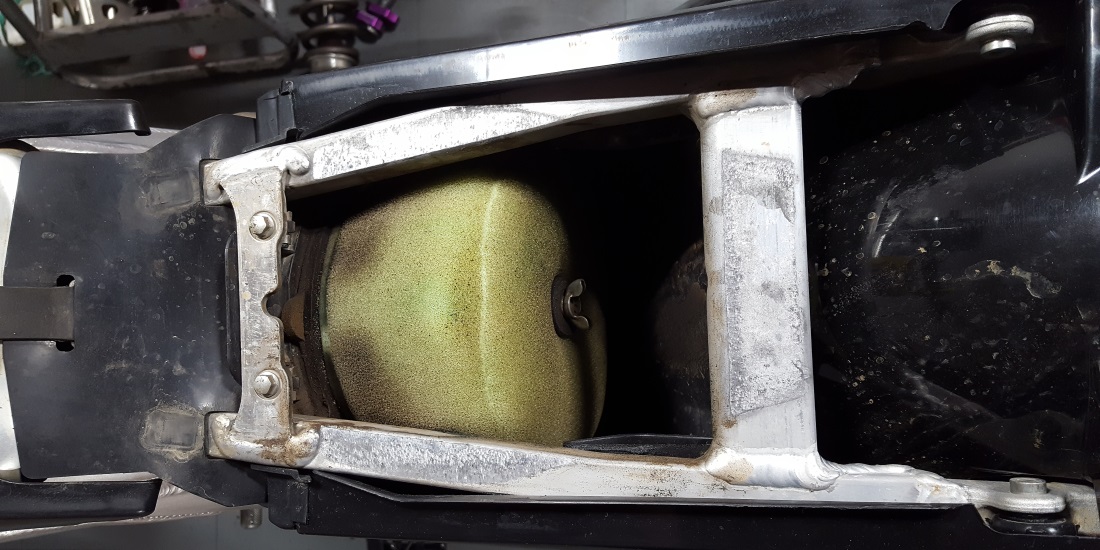
Make sure the element seats fully in the airbox with intact gaskets and no gaps, and follow the correct orientation. For open‑element or pod setups, ensure secure clamping, adequate clearance, and protection from water and heat.