Begin typing to search, when autocomplete results are available use up and down arrows to review and enter to select. Selecting an options will take you to a new page. Touch device users, explore by touch.SEARCH
Search within a riding style, select an optionBegin typing to search, when autocomplete results are available use up and down arrows to review and enter to select. Selecting an options will take you to a new page. Touch device users, explore by touch.
Free shipping on orders over $79 to Illinois
Orders over $79.00 will receive free shipping. This is a residential delivery service, deliveries Monday through Friday from 9:00am to 8:00pm.
What do ATV/UTV U-joints do, and are they right for my machine?
U-joints connect the driveline between the transmission and differentials, letting power flow smoothly even as the suspension moves and angles change. They’re intended for four‑wheeled off‑road vehicles; two‑wheel motorcycles typically don’t use them.
How do I choose the right U-joint size and series for my build?
Measure bearing cap diameter and overall width across the caps, then match those dimensions to the listed series; heavier, higher‑torque setups benefit from higher‑strength series. Also consider vehicle weight, tire traction, and gearing when stepping up in strength.
Greasable vs sealed—what’s best for my terrain?
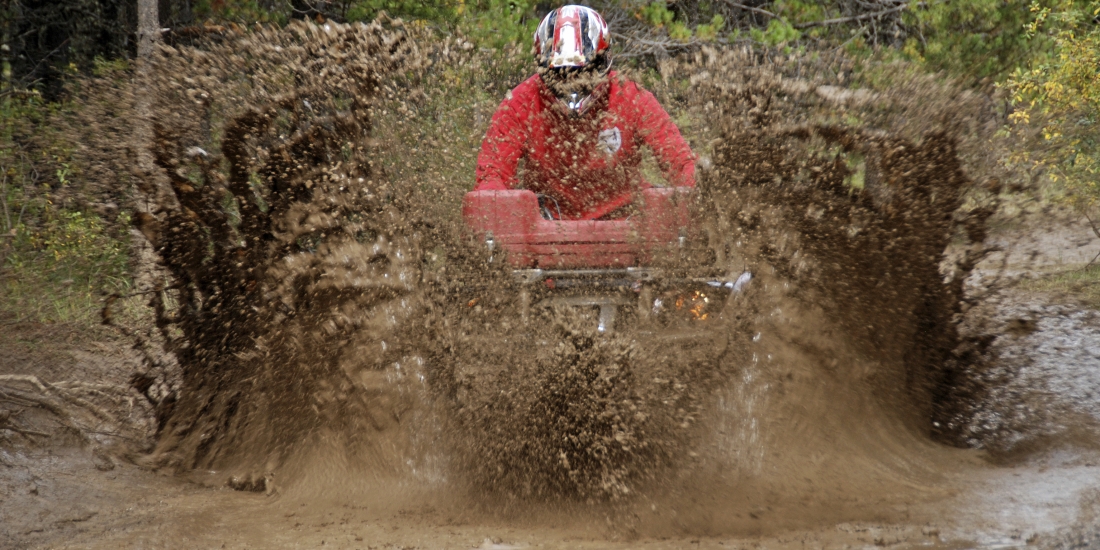
For mud, water, and abrasive grit, pick greasable joints so you can purge contaminants with fresh grease. For dry, high‑load or higher‑power use, sealed/solid designs offer maximum strength with minimal maintenance. Selecting hardened alloy steel or corrosion‑resistant finishes helps in wet, salty, or high‑heat environments.
What should I use if my ATV/UTV is lifted or runs steep driveline angles?
Consider double‑cardan or wider‑angle joints to handle the geometry and reduce vibration. Pair with an appropriate strength series and verify yoke and driveshaft clearances during setup.
Any installation and maintenance tips to extend U-joint life?
Replace all joints on the same shaft at once, keep the yokes phased, and tighten hardware evenly to prevent vibration. Grease serviceable joints regularly—especially after water crossings—and inspect for play, rust‑stained caps, squeaks, or vibration under load.