Begin typing to search, when autocomplete results are available use up and down arrows to review and enter to select. Selecting an options will take you to a new page. Touch device users, explore by touch.SEARCH
Search within a riding style, select an optionBegin typing to search, when autocomplete results are available use up and down arrows to review and enter to select. Selecting an options will take you to a new page. Touch device users, explore by touch.
Free shipping on orders over $79 to Illinois
Orders over $79.00 will receive free shipping. This is a residential delivery service, deliveries Monday through Friday from 9:00am to 8:00pm.
Why choose a UTV/ATV tail bag instead of a motorcycle tail bag?
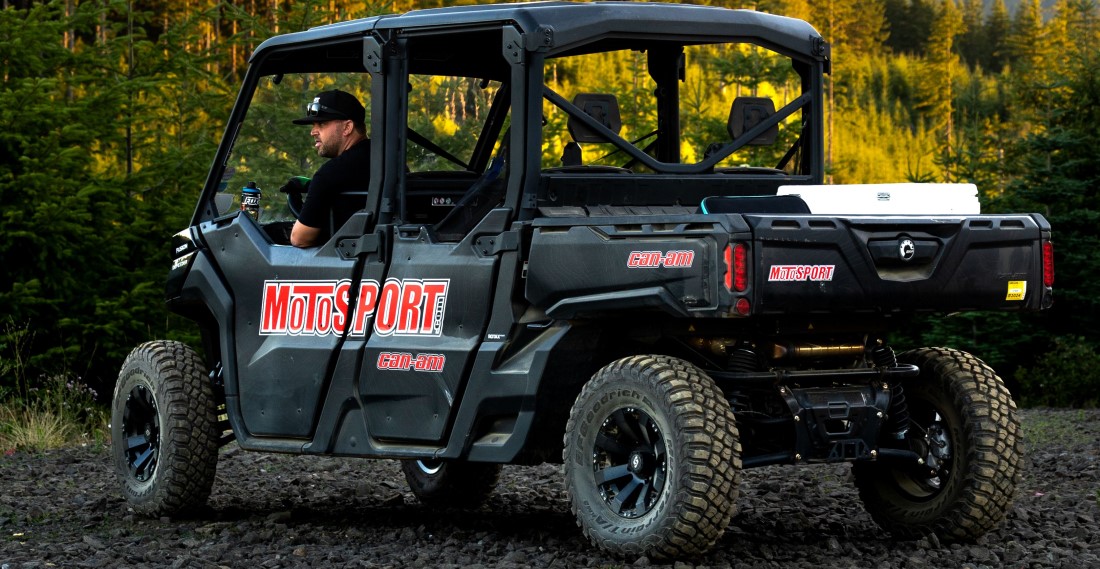
These tail bags are built for rear-rack mounting on UTVs and ATVs with weather-resistant materials, secure multi-point mounts, and expandable capacity for off-road gear, prioritizing rugged protection and storage over motorcycle aerodynamics or seat integration.
What materials and closures work best for wet, muddy conditions?
Opt for weather-resistant fabrics like heavy-duty vinyl, Cordura, or hardshell construction with roll-top or Velcro closures and storm flaps to keep out mud and rain; soft-sided bags add flexibility but can sag or leak if overpacked.
How should I mount a tail bag to prevent shifting on rough terrain?
Choose bags with multiple attachment points—straps, buckles, D-rings, bungees, or MOLLE panels—and use all recommended anchor points or quick-release systems so the pack stays secure over bumps and technical trails.
Can these tail bags be used on dirt bikes, street bikes, or cruisers?
They’re ideal for UTVs/ATVs and can adapt to dirt or adventure bikes with a compatible rack, but they tend to be bulkier and less aerodynamic for street bikes and cruisers, so select low-profile options and consider weight distribution before installing.
How do common vehicle mods and accessories affect tail bag choice and care?
Account for clearance and added top weight if you run backrests, spare carriers, or light bars—choose low-profile or rigid designs as needed—and extend service life by rinsing off mud, drying thoroughly, and keeping closures and seams clean and treated.