Begin typing to search, when autocomplete results are available use up and down arrows to review and enter to select. Selecting an options will take you to a new page. Touch device users, explore by touch.SEARCH
Search within a riding style, select an optionBegin typing to search, when autocomplete results are available use up and down arrows to review and enter to select. Selecting an options will take you to a new page. Touch device users, explore by touch.
Free shipping on orders over $79 to Illinois
Orders over $79.00 will receive free shipping. This is a residential delivery service, deliveries Monday through Friday from 9:00am to 8:00pm.
What key features should I look for when choosing a chest protector for off‑road riding?
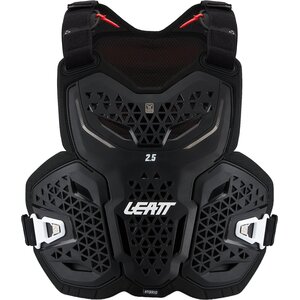
Look for CE-certified impact protection, the construction type (hard shell, D30 foam, or polyhedron tech), ventilation and weight for hot conditions, and adjustable fit or low-profile designs to preserve mobility and comfort under a jersey.
Which chest protector styles work best for UTV and side‑by‑side riding?
Choose wider-coverage protectors that include flank and rib protection or full hard-shell panels for side impacts, prioritize secure strap systems and ventilation for multi-hour runs, and confirm neck brace compatibility for added safety.
How do D30 foam, hard shells, and polyhedron tech perform across terrain and riding styles?
D30 foam provides low-profile comfort and molds on impact—ideal for trail and hot-weather rides; hard shells give maximum blunt-force protection for motocross and big jumps; polyhedron or thermoformed tech balances impact resistance with ventilation for mixed-use riding.
What should I inspect and do to install and maintain a chest protector for reliable performance?
Ensure straps and closures secure the protector without restricting movement, verify compatibility with your neck brace or shoulder pads, regularly rinse or wipe off mud/sweat and air-dry, and inspect padding and fasteners for wear before rides.
How do I balance protection versus mobility for racing compared to casual trail riding?
For racing, pick lightweight, CE-rated, low-bulk units that preserve range of motion and airflow; for casual trail or long rides, prioritize breathable, comfortable designs with D30 or softer padding and greater coverage so you’ll actually wear it every ride.