Begin typing to search, when autocomplete results are available use up and down arrows to review and enter to select. Selecting an options will take you to a new page. Touch device users, explore by touch.SEARCH
Search within a riding style, select an optionBegin typing to search, when autocomplete results are available use up and down arrows to review and enter to select. Selecting an options will take you to a new page. Touch device users, explore by touch.
Free shipping on orders over $79 to Illinois
Orders over $79.00 will receive free shipping. This is a residential delivery service, deliveries Monday through Friday from 9:00am to 8:00pm.
When should I wear a kidney belt for motorcycle or UTV riding?
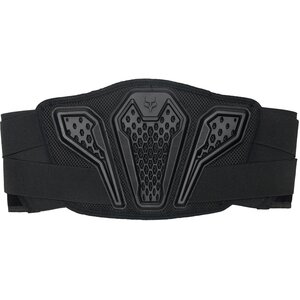
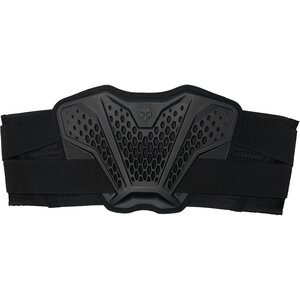
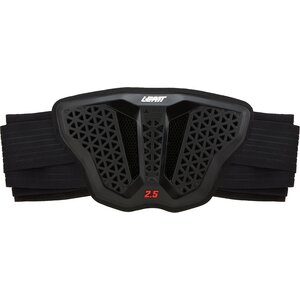
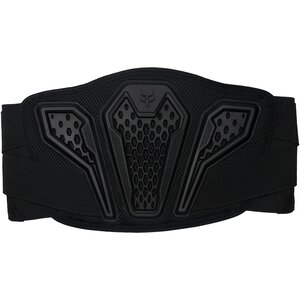
Kidney belts provide lower-back support, warmth, and vibration dampening and are recommended for long rides, off-road terrain, or if you have back sensitivity, while short urban commutes often don’t require one.
How should a kidney belt fit and how do I check it?
Measure around the navel or top of the hip bone and choose a belt that sits snugly between the bottom of the rib cage and top of the hips, allowing full breathing and movement; always test fit while seated and wearing your typical riding layers.
What features matter most for off-road and UTV use?
Look for multi-point adjustability, secure closures, wide rear padding for kidney and lumbar support, and durable vibration-damping materials to stay stable and comfortable on rough terrain.
How do materials and ventilation affect comfort in different weather?
Choose mesh or perforated, moisture-wicking fabrics for hot conditions and neoprene or insulated compounds for cold weather; avoid stiff leather in heat and note that added impact armor increases protection but also weight.
Are kidney belts easy to install and what maintenance or ride modifications should I consider?
Most belts use simple buckles or Velcro for quick on/off and require basic care like rinsing and air-drying while checking seams and closures; if you change seats, add taller cushions, or alter riding armor, re-check belt position and adjust style or strap routing to prevent bunching or interference.