Begin typing to search, when autocomplete results are available use up and down arrows to review and enter to select. Selecting an options will take you to a new page. Touch device users, explore by touch.SEARCH
Search within a riding style, select an optionBegin typing to search, when autocomplete results are available use up and down arrows to review and enter to select. Selecting an options will take you to a new page. Touch device users, explore by touch.
Free shipping on orders over $79 to Illinois
Orders over $79.00 will receive free shipping. This is a residential delivery service, deliveries Monday through Friday from 9:00am to 8:00pm.
How do I choose between electromagnetic and air horns for my ride?
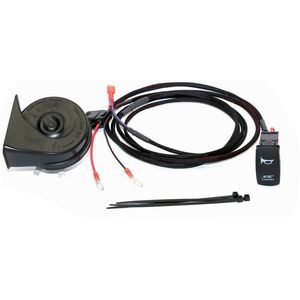
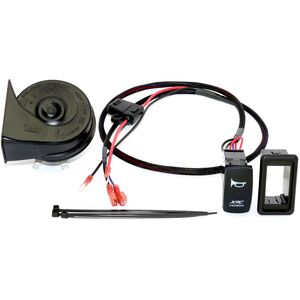
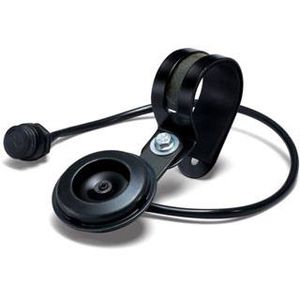
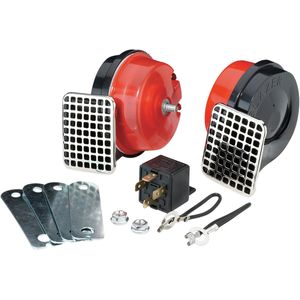
Pick based on loudness, power draw, and space: compact dual‑tone electromagnetic horns deliver ~109–118 dB with low draw and easy install, while compressor/air horns push 140+ dB but need more room and heavier wiring.
What horn tone delivers the most attention in traffic or on the trail?
Dual‑tone (high/low) cuts through mixed noise best, single low‑tone gives a deep, authoritative sound, and dual‑track air designs layer frequencies for extra clarity.
What durability features should I prioritize for rain, mud, and vibration?
Look for sealed/IP65-style protection, corrosion‑resistant housings, and shock‑absorbing mounts to handle wet weather, dust, and rough terrain.
How do power draw and wiring affect my horn choice if I run other accessories?
Low‑draw electromagnetic horns suit battery‑limited or accessory‑heavy setups, while air horns pull more current and typically benefit from a relay and dedicated harness on a 12V system.
Any install and upkeep tips to keep a horn loud and reliable?
Use included brackets for secure vertical or horizontal mounting, verify 12V polarity and relay needs, and periodically check fasteners and terminals; in extreme cold, avoid mechanical air horns that can bind.