Begin typing to search, when autocomplete results are available use up and down arrows to review and enter to select. Selecting an options will take you to a new page. Touch device users, explore by touch.SEARCH
Search within a riding style, select an optionBegin typing to search, when autocomplete results are available use up and down arrows to review and enter to select. Selecting an options will take you to a new page. Touch device users, explore by touch.
Free shipping on orders over $79 to Illinois
Orders over $79.00 will receive free shipping. This is a residential delivery service, deliveries Monday through Friday from 9:00am to 8:00pm.
What defines gauntlet gloves and why are they a good choice for UTV use?
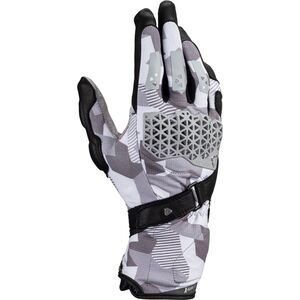
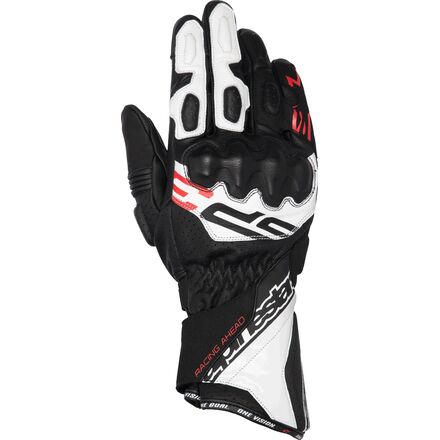
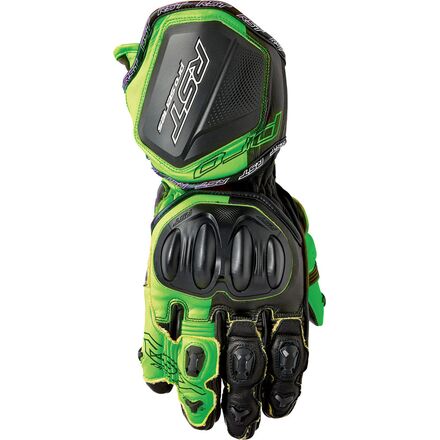
Gauntlet gloves have an extended cuff that sits over your jacket sleeve to protect wrists and forearms from wind, debris, and branches, making them ideal for UTV, adventure, and off-road riding rather than short urban trips.
Which materials should I choose for UTV gauntlet gloves?
Choose leather (cowhide, goatskin, kangaroo) for top abrasion resistance and long-term durability, or textile/synthetic options (Gore‑Tex, neoprene) for lighter, waterproof and breathable performance—combine materials for balanced protection and weather handling.
What protection features matter most for UTV gloves?
Look for reinforced palms, knuckle and finger armor (Kevlar, carbon fiber, or molded protectors) and a secure gauntlet cuff to reduce impact, abrasion and debris entry; prioritize gloves with CE-rated armor where available.
How should gauntlet gloves fit and what should I check before long UTV trips?
Aim for a snug fit with full finger movement and secure wrist closures, confirm liner comfort and breathability, and test grip on controls and lever movement to avoid excess material that impairs control during long rides.
How do I care for gauntlet gloves used in UTV conditions and varied weather?
Maintain leather with appropriate cleaning and waterproofing treatments, air-dry wet liners and avoid direct heat, reproof textile membranes as recommended, and routinely inspect stitching, closures, and armor for wear to keep protection reliable.