Begin typing to search, when autocomplete results are available use up and down arrows to review and enter to select. Selecting an options will take you to a new page. Touch device users, explore by touch.SEARCH
Search within a riding style, select an optionBegin typing to search, when autocomplete results are available use up and down arrows to review and enter to select. Selecting an options will take you to a new page. Touch device users, explore by touch.
Free shipping on orders over $79 to Illinois
Orders over $79.00 will receive free shipping. This is a residential delivery service, deliveries Monday through Friday from 9:00am to 8:00pm.
What key features should I prioritize when shopping for cruiser and V‑Twin boots?
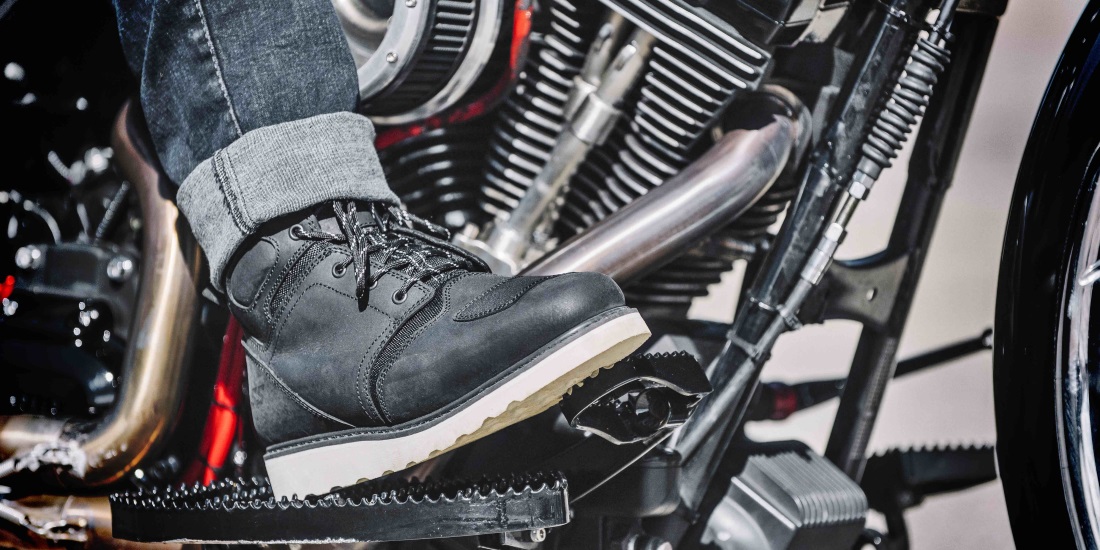
Look for mid‑to‑high shafts with reinforced toe/heel, ankle support or internal armor, heat‑resistant materials near the engine, full‑grain leather and secure closures, plus oil‑resistant, walking‑friendly soles and CE safety ratings for on‑road protection.
How do I choose between boots for long highway touring and daily urban commuting?
For touring pick cushioned, mid‑high boots with a reinforced shank, ventilation and optional waterproofing for hours on the road; for commuting favor ankle‑to‑mid heights with side‑zips or quick closures and slip‑resistant walking soles for frequent stops.
Are cruiser and V‑Twin boots appropriate for UTV or rough off‑road use?
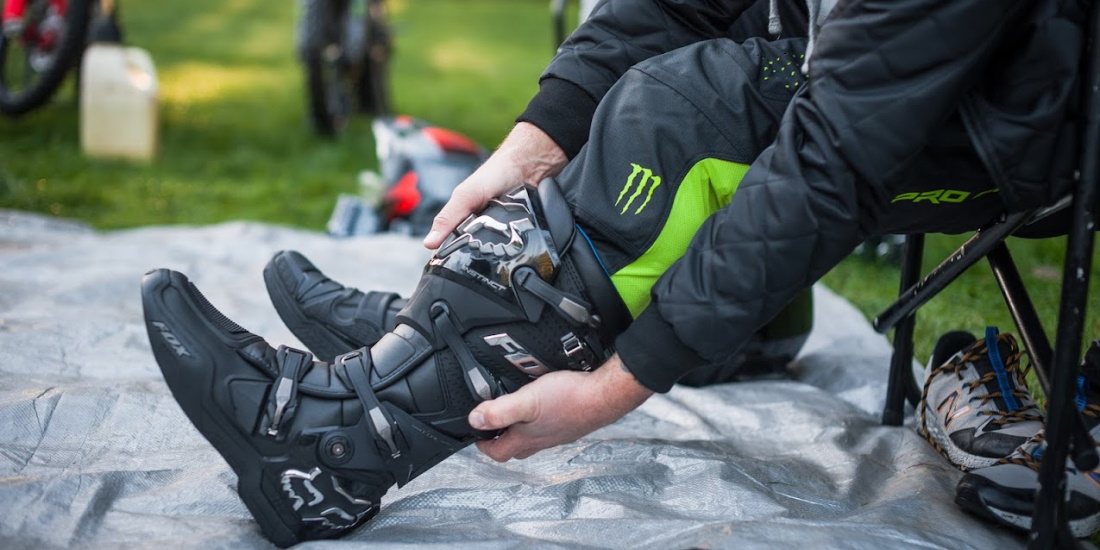
No — cruiser boots are optimized for paved, low‑speed riding, walking comfort and engine heat resistance, so they lack the tall buckles, stiff braces and aggressive outsoles needed for rough off‑road or UTV terrain.
What aftermarket upgrades or customizations make sense for cruiser boots?
Useful upgrades include performance insoles for comfort, replaceable or resoleable welts for longevity, and external toe/heel guards; ensure any modification preserves shift/peg clearances and doesn’t reduce on‑bike ergonomics.
How should I care for cruiser boots to maximize durability and safety?
Keep leather clean and conditioned, protect waterproof membranes when present, inspect heat‑exposed stitching and soles regularly, and address repairs promptly so resoleable boots and reinforced areas maintain protection and walking traction.