Begin typing to search, when autocomplete results are available use up and down arrows to review and enter to select. Selecting an options will take you to a new page. Touch device users, explore by touch.SEARCH
Search within a riding style, select an optionBegin typing to search, when autocomplete results are available use up and down arrows to review and enter to select. Selecting an options will take you to a new page. Touch device users, explore by touch.
Free shipping on orders over $79 to Illinois
Orders over $79.00 will receive free shipping. This is a residential delivery service, deliveries Monday through Friday from 9:00am to 8:00pm.
Which CE certification and coverage type should I choose for a UTV back protector?
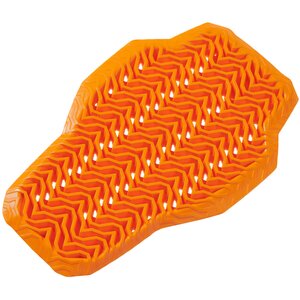
Choose CE EN1621-2 certification—Level 2 offers higher impact absorption for aggressive riding; pick Full Back (FB) for spine and scapulae, Central Back (CB) for spine-only, or Lumbar (LB) for lower-back support, and favor FB or LB for UTVs when rollover or heavy impacts are a concern.
Soft viscoelastic foam or hard shell—which construction is better for UTV riding?
Soft viscoelastic compounds provide flexibility, breathability, and comfort for long or hot rides, while hard shells deliver superior puncture and abrasion resistance against rocks and branches; select based on whether comfort or penetration resistance is your priority.
How should I size and fit a back protector to work with my jacket and riding posture?
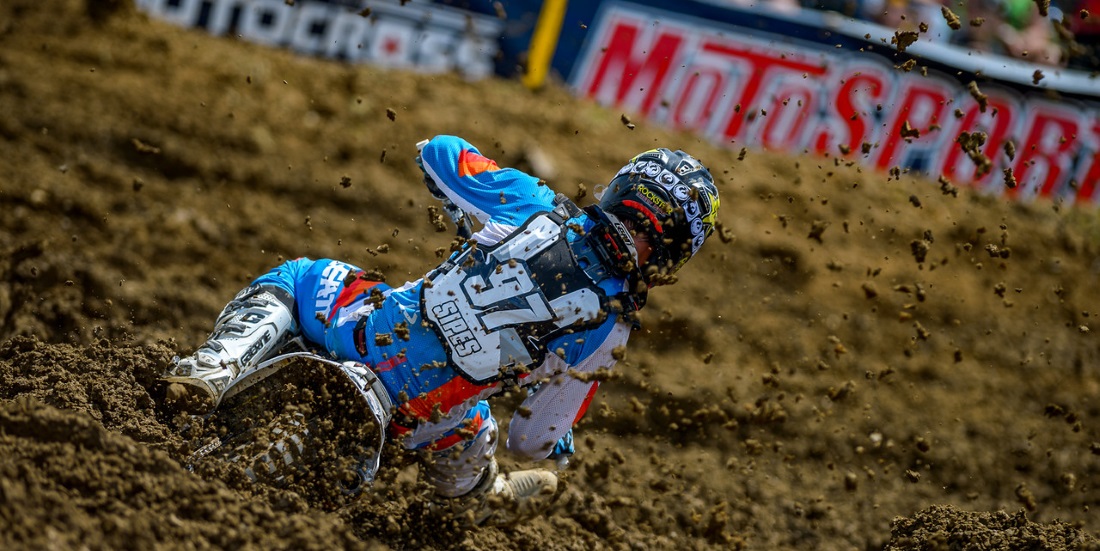
Measure back length from the top of the shoulder to the waist along the spine and try the protector with your normal riding layers so it sits flush in jacket pockets without shifting, using adjustable straps and segmented designs to keep coverage over rough terrain.
What technical features improve durability and multi-impact performance?
Look for repeat performance technology (RPT) for multiple impacts, abrasion/cut/burst resistance ratings, Kevlar-reinforced stitching for seam durability, and T-mark temperature ratings to ensure the compound performs across weather extremes.
How should I care for and inspect my back protector to keep it effective?
Regularly check for cracks, deformations, torn stitching, shell damage and secure straps or pocket fit, and remove a protector from service if it shows visible compromise or has taken a significant impact.