Begin typing to search, when autocomplete results are available use up and down arrows to review and enter to select. Selecting an options will take you to a new page. Touch device users, explore by touch.SEARCH
Search within a riding style, select an optionBegin typing to search, when autocomplete results are available use up and down arrows to review and enter to select. Selecting an options will take you to a new page. Touch device users, explore by touch.
Free shipping on orders over $79 to Illinois
Orders over $79.00 will receive free shipping. This is a residential delivery service, deliveries Monday through Friday from 9:00am to 8:00pm.
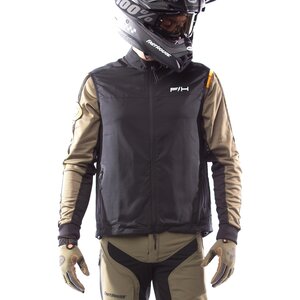
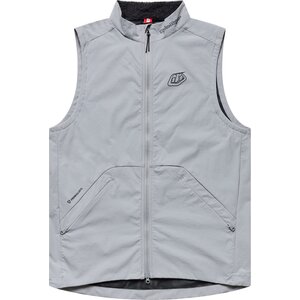
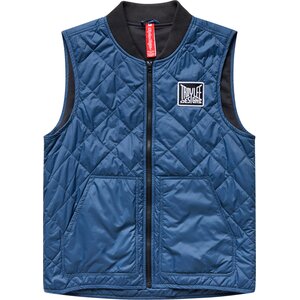
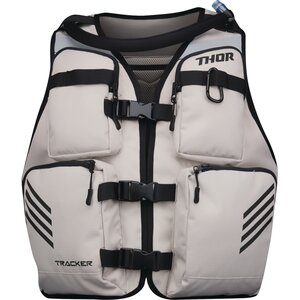
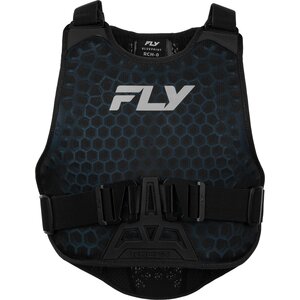
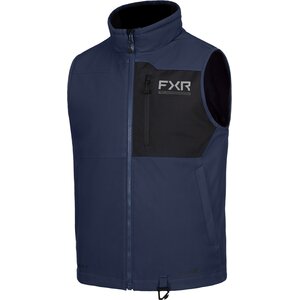
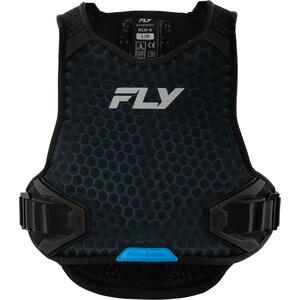
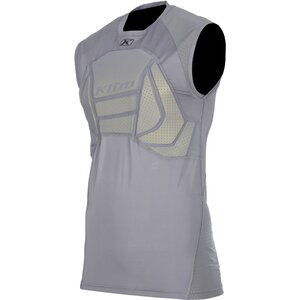
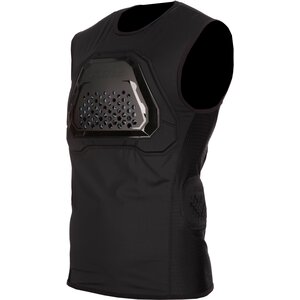
Look for CE-certified armor pockets (back/shoulders/chest), mesh ventilation panels, external storage pockets, secure zippers with snaps, removable padding, and a lightweight build for all-day comfort.
What material and ventilation should I choose for my terrain and weather?
Mesh or perforated textile keeps you cool and wicks moisture in hot, dusty off-road conditions, while reinforced leather offers better abrasion resistance and water shedding for cooler or rainy rides.
How should a utility vest fit and layer with other gear?
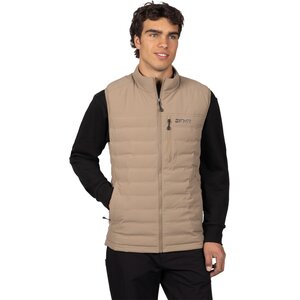
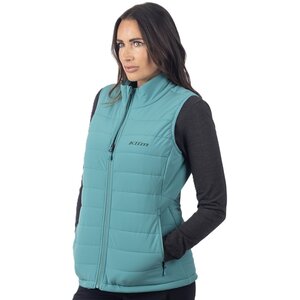
Aim for snug-but-mobile with adjustable straps; test arm raise and torso twist, ensure closures don’t flap, and confirm pockets won’t interfere with a chest protector or hydration pack.
Do I need an airbag vest for utility riding?
Most trail and work use is well served by CE Level 1/2 armor pockets; consider an airbag only if you spend significant time at higher speeds where extra impact stabilization matters.
Any quick setup and maintenance tips to keep my vest performing?
Seat the armor where you want it, secure zippers/snaps, and pack pockets so they don’t hinder movement; rinse dust from mesh, lightly care for leather, and periodically check straps and padding for wear.