Begin typing to search, when autocomplete results are available use up and down arrows to review and enter to select. Selecting an options will take you to a new page. Touch device users, explore by touch.SEARCH
Search within a riding style, select an optionBegin typing to search, when autocomplete results are available use up and down arrows to review and enter to select. Selecting an options will take you to a new page. Touch device users, explore by touch.
Free shipping on orders over $79 to Illinois
Orders over $79.00 will receive free shipping. This is a residential delivery service, deliveries Monday through Friday from 9:00am to 8:00pm.
How do I choose utility riding headwear for my vehicle, terrain, and weather?
For ATV/UTV work and dusty trails, use sweat-wicking bandanas or trucker/mesh hats off-helmet; for helmeted rides, pick low-profile skull caps or do-rags. Match thickness to temperature (thin in heat, thicker beanies for cold) and confirm it sits smoothly under your helmet without pressure points. These are comfort layers, not protective gear—always wear an appropriate helmet.
What under-helmet features should I look for to stay comfortable on long utility rides?
Lightweight, moisture-wicking fabrics with stretch, flat seams, and a snug fit prevent hotspots and bulk. Breathable mesh panels boost airflow; quick-dry, washable materials simplify cleanup.
When should I choose a trucker/mesh hat vs a skull cap or beanie for utility use?
Trucker/mesh hats shine at low-speed, open-air tasks and breaks thanks to ventilation and adjustable closures. Skull caps (or thin beanies) are better under helmets, while thicker beanies add warmth in cold without much bulk.
How do bandanas and do-rags help utility riders beyond head coverage?
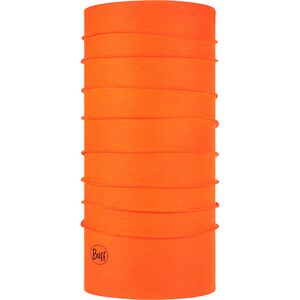
They convert to headbands, neck gaiters, or face covers for dust and sun, and tie down securely to stay put. Choose moisture-wicking, quick-dry fabrics for easier cleaning between rides.
Any care and durability tips for utility riding headwear?
Rinse or machine-wash and air-dry after dusty, sweaty days; avoid fabric softeners to preserve wicking. Rotate pieces, check seams and elastic, and make sure the cap still lays flat under your helmet to prevent hotspots.