Begin typing to search, when autocomplete results are available use up and down arrows to review and enter to select. Selecting an options will take you to a new page. Touch device users, explore by touch.SEARCH
Search within a riding style, select an optionBegin typing to search, when autocomplete results are available use up and down arrows to review and enter to select. Selecting an options will take you to a new page. Touch device users, explore by touch.
Free shipping on orders over $79 to Illinois
Orders over $79.00 will receive free shipping. This is a residential delivery service, deliveries Monday through Friday from 9:00am to 8:00pm.
How should I choose gasket material for a utility ATV/UTV engine?
Pick metal or graphite for head/exhaust sealing under high heat and load; use nitrile rubber or compressed fiber for oil pans, side covers, and low-pressure joints; choose EPDM/neoprene for weather/ozone-exposed areas, and silicone where flexibility and high-temp resilience are priorities.
What temperature and pressure specs matter most for utility gaskets?
Match the gasket’s temperature and pressure ratings to your engine’s operating conditions—workloads, towing, or long trail days raise both—using metal/graphite for the most demanding seals, especially if you run higher compression or performance tuning.
Which gasket materials handle fuel, oil, coolant, mud, and UV exposure best?
Use nitrile where gasoline and oils are present, silicone for hot zones with intermittent chemical splash, and EPDM for frequent UV/ozone, rain, and mud exposure; avoid natural rubber around fuels or ozone.
Does gasket thickness and compressibility matter on utility machines?
Yes—thinner gaskets suit high-compression, flat mating surfaces, while thicker, more compressible options help seal minor surface irregularities and vibration-prone joints; always match the exact shape and bolt pattern to maintain seal integrity.
Any installation and maintenance tips for long-lasting utility gaskets?
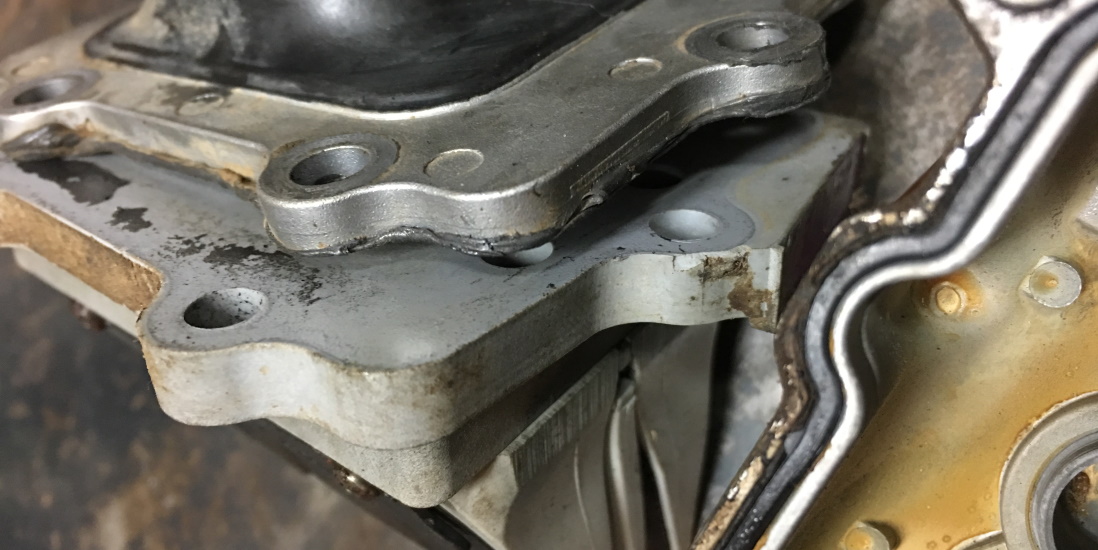
Clean and dry both flanges, follow a proper tightening sequence, then recheck after heat cycles; inspect periodically for hardening, swelling, or cracks from chemicals and UV, and choose materials that resist deformation to reduce rework.