Begin typing to search, when autocomplete results are available use up and down arrows to review and enter to select. Selecting an options will take you to a new page. Touch device users, explore by touch.SEARCH
Search within a riding style, select an optionBegin typing to search, when autocomplete results are available use up and down arrows to review and enter to select. Selecting an options will take you to a new page. Touch device users, explore by touch.
Free shipping on orders over $79 to Illinois
Orders over $79.00 will receive free shipping. This is a residential delivery service, deliveries Monday through Friday from 9:00am to 8:00pm.
What are these CV joints and which rides use them?
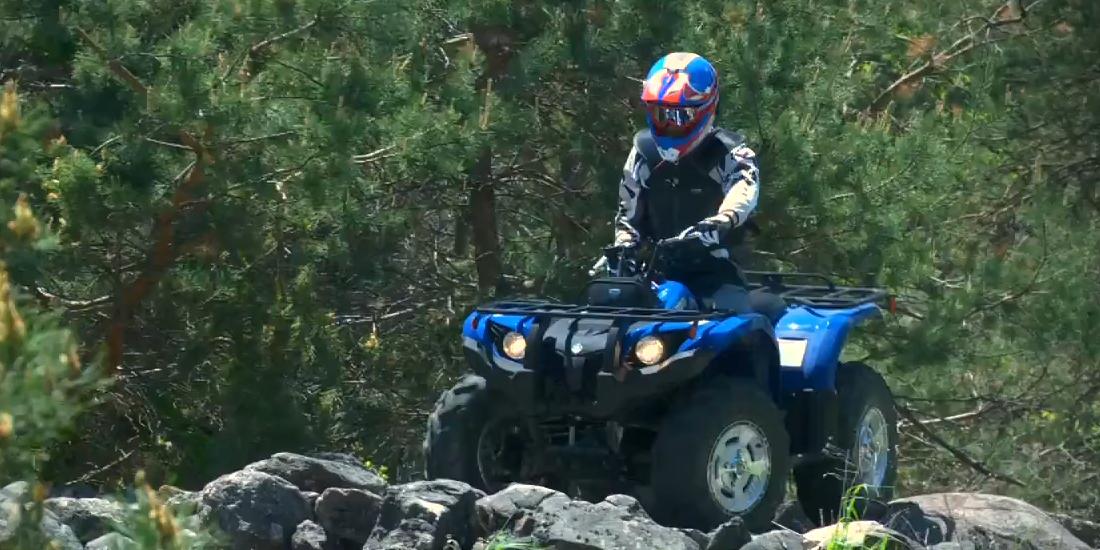
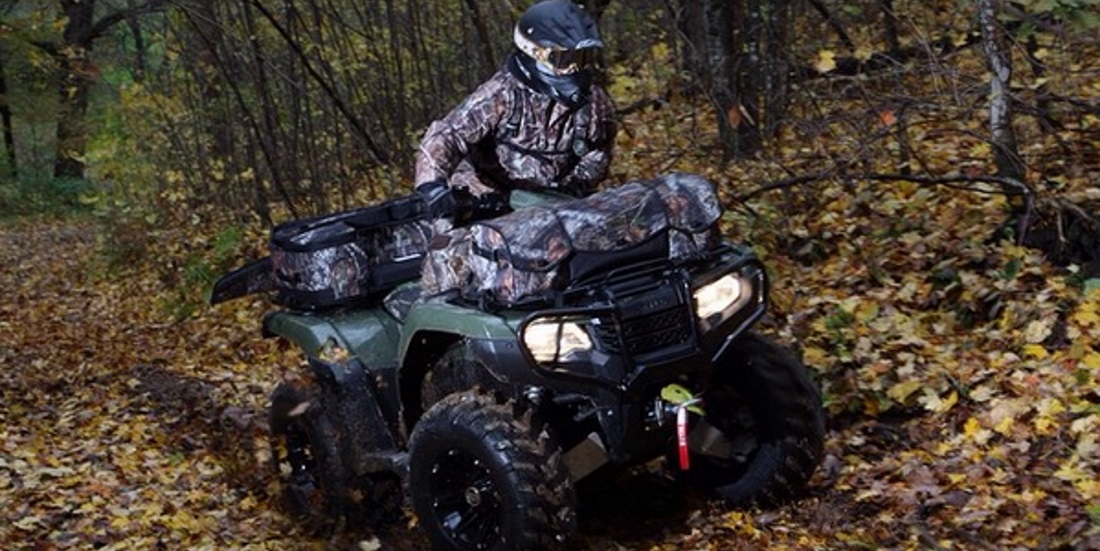
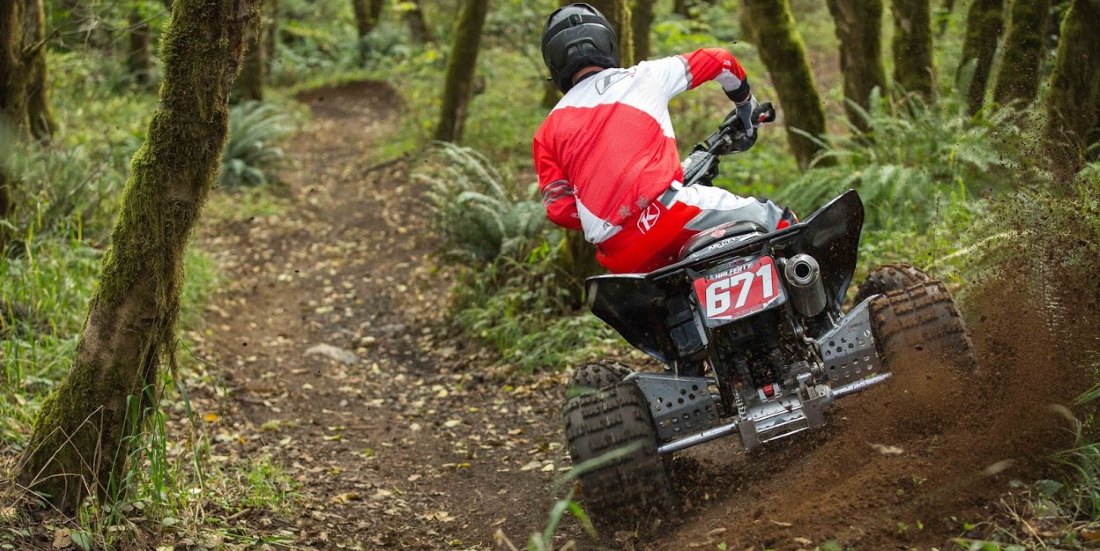
They’re constant velocity joints for ATVs, UTVs, and dirt bikes with independent suspension, built to deliver smooth power at varying angles; road-focused motorcycles typically don’t use them.
How do I choose the right CV joint type?
Use an outer ball-type (Rzeppa/fixed) joint at the wheel end and an inner tripod (plunge-type) inboard for suspension travel, and match spline count and axle/shaft lengths to your vehicle’s specs to avoid binding or vibration.
What materials and boot features are best for mud, water, and rocky trails?
Pick case-hardened chrome-moly steel with corrosion-resistant plating, plus reinforced nitrile or silicone boots with double-lipped seals; kits that include moly grease and clamps help ensure long service in harsh conditions.
How do lifts, bigger tires, or high-torque setups affect my CV joint choice?
Opt for high-angle, plunge-tolerant joints with premium alloys and heavy-duty boots to handle steeper operating angles and added load, and confirm movement tolerance to prevent play under load.
When should I replace CV joints, and what’s the easiest install route?
Replace at the first signs of torn boots, clicking on turns, or acceleration vibration; a complete axle assembly is often the easiest install on utility vehicles and refreshes both inner and outer joints.