Begin typing to search, when autocomplete results are available use up and down arrows to review and enter to select. Selecting an options will take you to a new page. Touch device users, explore by touch.SEARCH
Search within a riding style, select an optionBegin typing to search, when autocomplete results are available use up and down arrows to review and enter to select. Selecting an options will take you to a new page. Touch device users, explore by touch.
Free shipping on orders over $79 to Illinois
Orders over $79.00 will receive free shipping. This is a residential delivery service, deliveries Monday through Friday from 9:00am to 8:00pm.
What crash protection setup works best for utility ATV/UTV riding?
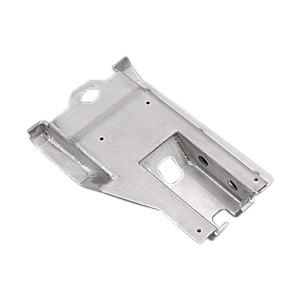
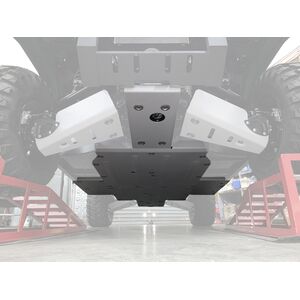
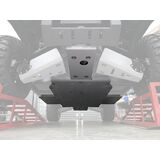
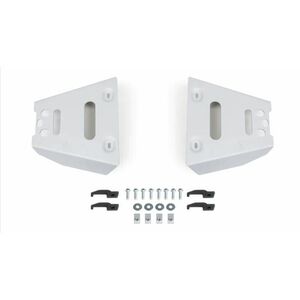
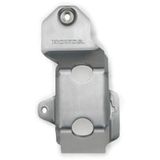
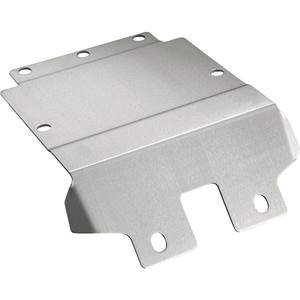
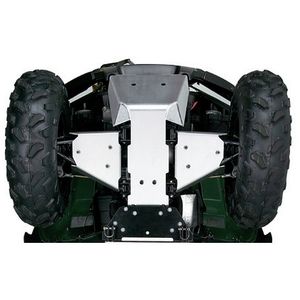
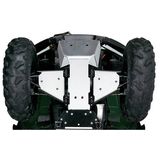
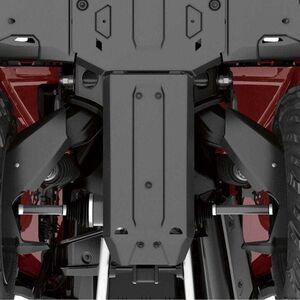
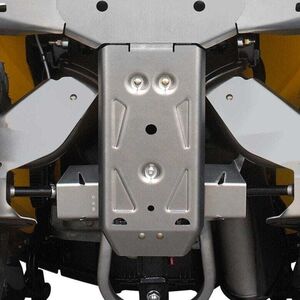
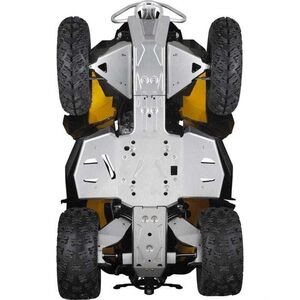
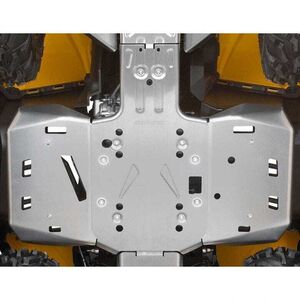
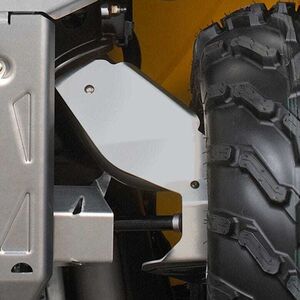
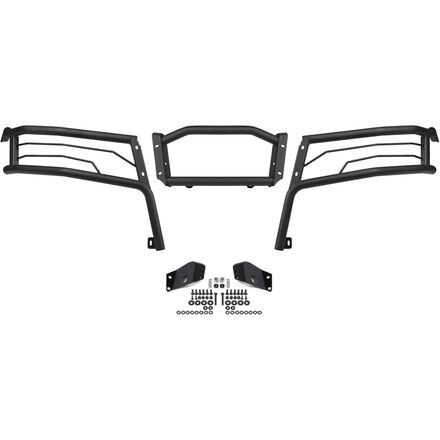
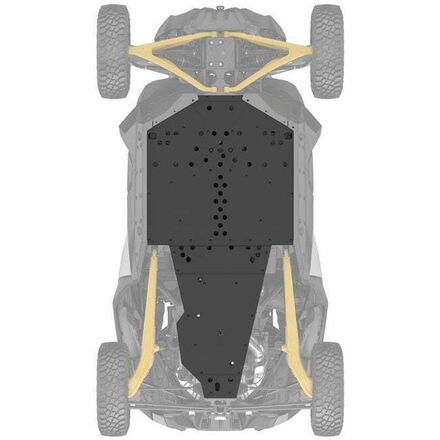
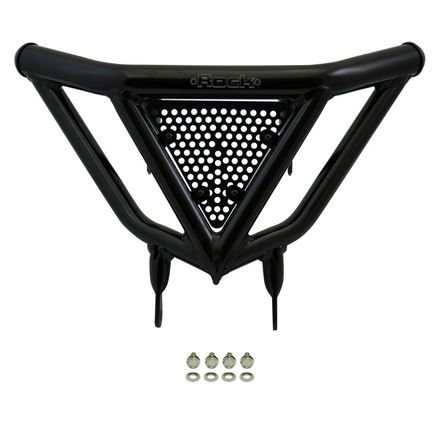
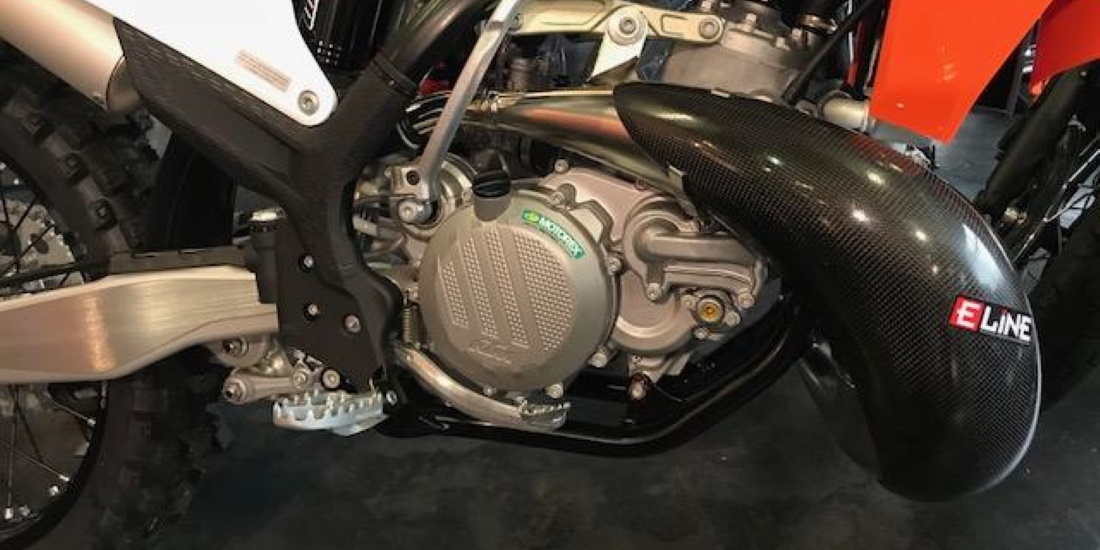
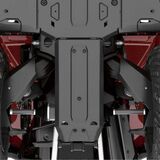
For off-road work and trails, choose heavy-duty multi-point (Type 2) crash bars with a full skid plate, engine case coverage, and handguards; add CE Level 2 rider armor for core zones on rough terrain. If prioritizing spend, start with rider armor, then add bike-mounted guards matched to your terrain.
How should I use CE ratings when shopping this category?
CE EN 1621-1/2 applies to rider armor only—pick Level 1 for lighter-duty use and Level 2 for higher-impact riding. For bike-mounted guards, look for impact-tested steel, stainless, or aluminum and rigid, braced designs rather than CE labels.
Which materials are best for mud, rocks, wet, or heat?
Stainless steel fights corrosion in mud and wet, steel offers maximum toughness for rock strikes, aluminum keeps weight down for easier steering, and polymer sliders help reduce snagging and slide smoothly. In dusty conditions, choose sealed composites and dust-proof hardware.
What mounting and fit details matter on a utility machine?
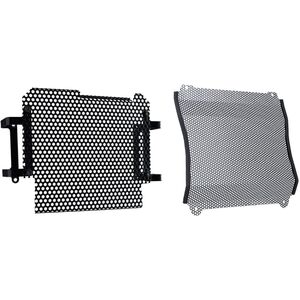
Favor frame-mounted, multi-point designs for rigidity and energy dispersion, and verify model-specific compatibility. Check clearances with skid plates, bumpers, winches, and steering lock so guards don’t create snag points or upset weight balance.
What upkeep should I plan after installs and impacts?
After drops or hard hits, inspect brackets, welds, and fasteners, re-align guards, and replace any bent or cracked components; touch up finishes to prevent corrosion. For rider armor, ensure pieces stay centered while moving and follow any crash replacement guidance.