Begin typing to search, when autocomplete results are available use up and down arrows to review and enter to select. Selecting an options will take you to a new page. Touch device users, explore by touch.SEARCH
Search within a riding style, select an optionBegin typing to search, when autocomplete results are available use up and down arrows to review and enter to select. Selecting an options will take you to a new page. Touch device users, explore by touch.
Free shipping on orders over $79 to Illinois
Orders over $79.00 will receive free shipping. This is a residential delivery service, deliveries Monday through Friday from 9:00am to 8:00pm.
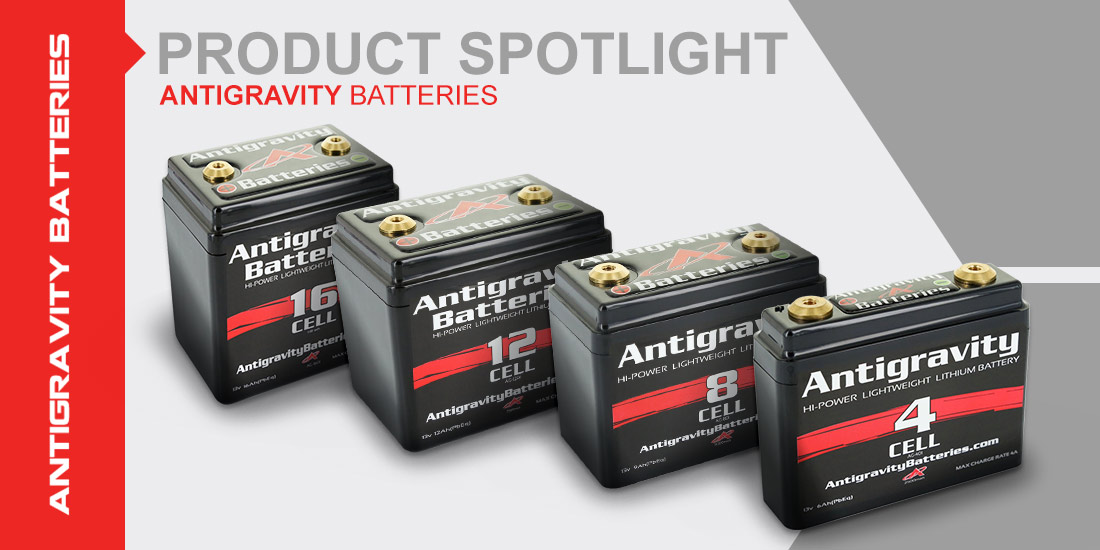
How do I choose between lead-acid, AGM, and lithium batteries for a utility ATV/UTV?
Lead‑acid is budget‑friendly but higher maintenance; AGM is sealed, vibration‑resistant, and dependable in temperature swings; lithium is ultra‑light with fast charging and long life. Pick based on maintenance tolerance, terrain abuse, and how many accessories you power.
Which battery specs matter most for cold starts and rough terrain?
Prioritize higher cold‑cranking performance for reliable starts and sealed AGM or lithium construction for superior vibration/shock resistance. Always match voltage, size, and terminal layout to your machine.
What should I look for if I run a winch, plow, or extra lights?
Choose a battery with higher capacity/reserve or deep‑cycle capability and stable voltage output, with rugged AGM or lithium designs favored for durability. If considering lithium, confirm your charging system and charger are compatible.
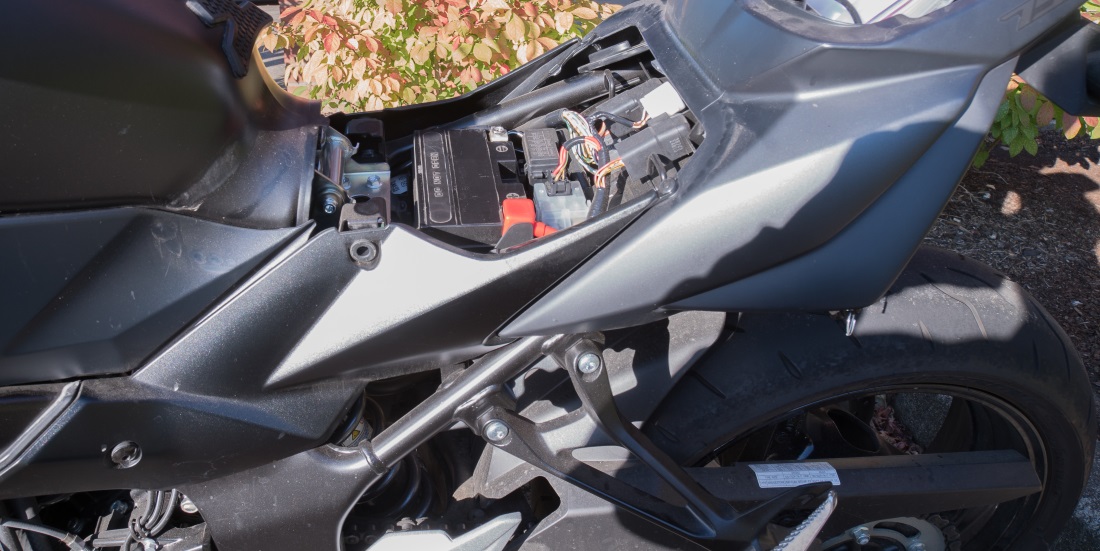
Any tips for replacing a utility battery?
Verify the exact size, voltage, and terminal orientation before install, then secure the battery firmly to prevent movement on rough ground. Reconnect accessory leads cleanly, check for chafe or pinch points, and test start/charging before your next ride.
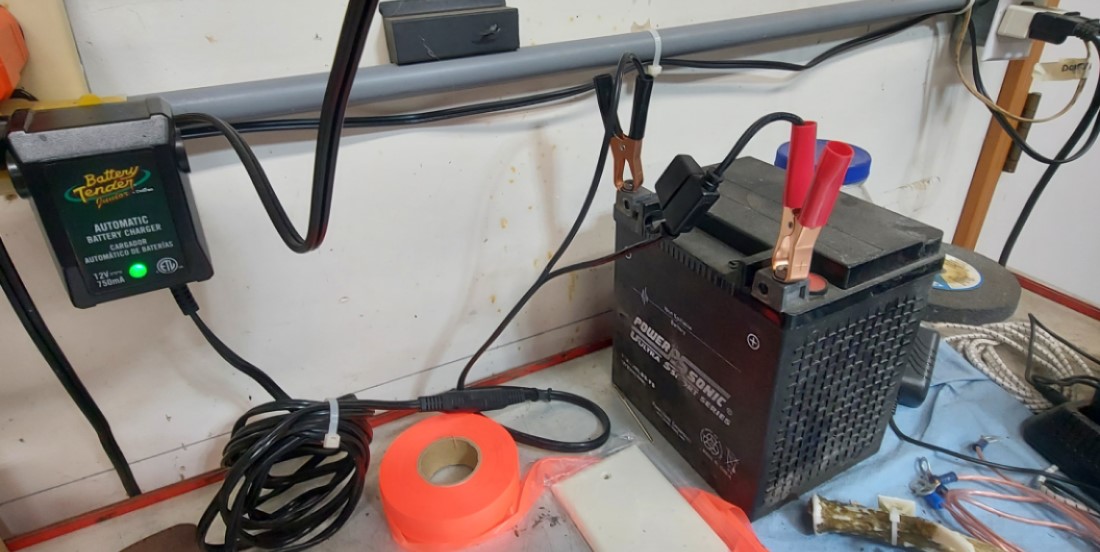
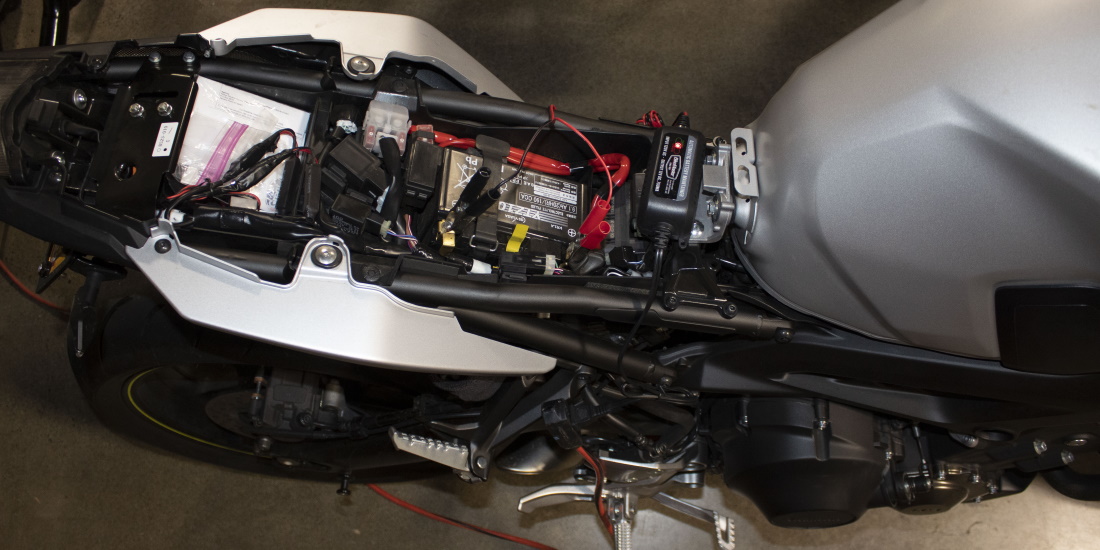
How do I maintain and charge these batteries for long life?
AGM and lithium are maintenance‑free; keep terminals clean and use a compatible smart maintainer during storage. Lithium models may require a specific charger profile—avoid deep discharges and extreme heat when parked.