Begin typing to search, when autocomplete results are available use up and down arrows to review and enter to select. Selecting an options will take you to a new page. Touch device users, explore by touch.SEARCH
Search within a riding style, select an optionBegin typing to search, when autocomplete results are available use up and down arrows to review and enter to select. Selecting an options will take you to a new page. Touch device users, explore by touch.
Free shipping on orders over $79 to Illinois
Orders over $79.00 will receive free shipping. This is a residential delivery service, deliveries Monday through Friday from 9:00am to 8:00pm.
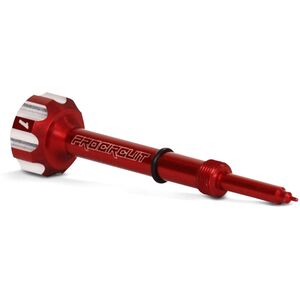
MotoSport.com offers 1 Fuel Screws. A leader in our industry, we know you'll be satisfied with the Fuel Screws you buy from us.
Our Pledge
We want to make your next ride, your best ride. Our Fuel Screws ship for free with orders over $79.
If you need some assistance, we can help. Just give one of our Gearheads a call at 503-783-5645 and they can help you find the best Fuel Screws for you.
What does a fuel screw do on a carbureted motorcycle?
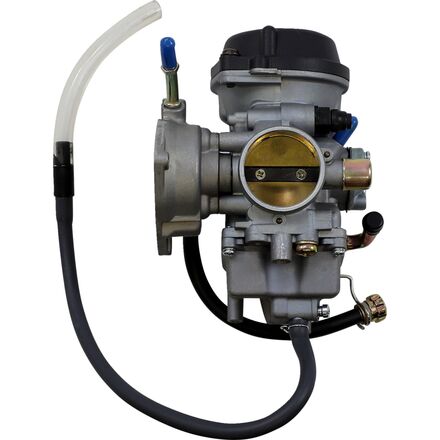
It fine-tunes the pilot circuit for idle and just-off-idle response—turning out richens the mixture, turning in leans it—improving smooth idle and crisp throttle on dirt, adventure, and street bikes with carburetors (not fuel-injected models).
How can I tell if I need a fuel screw or an air screw, and any install tips?
A fuel screw sits on the engine-side/bottom of the carb and meters fuel (out = richer), while an air screw is on the airbox side and meters air (out = leaner); choose the type your carb uses per the service manual. Use a proper small screwdriver, seat lightly to avoid damaging the soft brass tip, and consider easy-adjust designs for better access.
How should I tune the fuel screw for different weather, altitude, or terrain?
Warm the engine fully, set it for the highest steady idle, then leave it slightly richer for strong off‑idle response; go a bit richer in cold/dust and leaner in heat/high elevation. Recheck after major temperature or altitude changes.
I added an exhaust or intake—can the fuel screw handle the tune on its own?
It can clean up idle and initial throttle, but if you need an extreme setting to run well, the pilot jet size likely needs changing. Use the screw to locate the sweet spot; if it’s far from a normal baseline, consider jetting adjustments.
Any setup checks for multi‑carb engines or after adjustments?
Tune on a hot engine at idle and keep mixture settings consistent across all carbs for smooth synchronization, then reset idle speed as needed. Reinspect after a test ride for signs of bogging or decel popping that suggest further fine‑tuning.