Begin typing to search, when autocomplete results are available use up and down arrows to review and enter to select. Selecting an options will take you to a new page. Touch device users, explore by touch.SEARCH
Search within a riding style, select an optionBegin typing to search, when autocomplete results are available use up and down arrows to review and enter to select. Selecting an options will take you to a new page. Touch device users, explore by touch.
Free shipping on orders over $79 to Illinois
Orders over $79.00 will receive free shipping. This is a residential delivery service, deliveries Monday through Friday from 9:00am to 8:00pm.
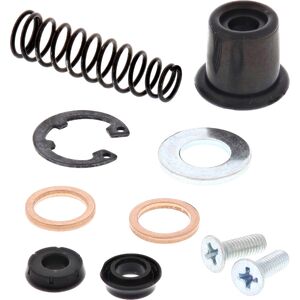
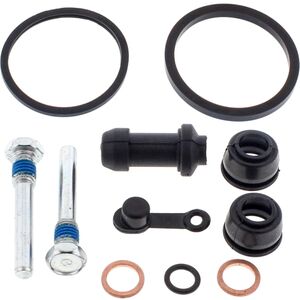
MotoSport.com offers 3 Dirt Bike Miscellaneous Brake. A leader in our industry, we know you'll be satisfied with your Miscellaneous Brake when you buy from us.
Our Pledge
We want to make your next ride, your best ride. Our Dirt Bike Miscellaneous Brake ship for free with orders over $79.
If you need some assistance, we can help. Just give one of our Gearheads a call at 503-783-5645 and they can help you find the best Miscellaneous Brake for you.
What’s the difference between fixed and floating rotors for dirt bikes?
Floating rotors allow independent movement between the braking ring and carrier for better heat management and reduced warping under heavy braking, while fixed rotors are lighter and simpler, benefiting agility and lower maintenance on technical terrain.
Which brake pad compound is best for off‑road and muddy conditions?
Sintered pads deliver the most consistent stopping power in mud, dust, and wet conditions, organic pads are quieter but wear faster and perform worse when wet, and ceramic-style compounds are generally better suited to street use.
How does caliper piston count impact braking performance on dirt bikes?
More pistons increase clamping force and modulation for aggressive or heavy use, while single‑piston calipers provide adequate, simpler braking for casual trail riding; choose based on riding style and the loads you expect.
What maintenance should I expect with higher‑performance brake components?
High‑performance setups typically require periodic pad and rotor inspections, cleaning of floating rotor pivots, and hydraulic system checks or bleeds to maintain firm lever feel; braided lines and upgraded fittings improve response but should be inspected for secure connections.
How do common bike upgrades affect braking and what should I inspect after modifications?
Upgrades that change wheel size, tire type, suspension or added weight can alter brake load and feel, so inspect rotor clearance, lever travel and modulation, pad wear patterns, and line routing after modifications to ensure safe, predictable braking.