Begin typing to search, when autocomplete results are available use up and down arrows to review and enter to select. Selecting an options will take you to a new page. Touch device users, explore by touch.SEARCH
Search within a riding style, select an optionBegin typing to search, when autocomplete results are available use up and down arrows to review and enter to select. Selecting an options will take you to a new page. Touch device users, explore by touch.
Free shipping on orders over $79 to Illinois
Orders over $79.00 will receive free shipping. This is a residential delivery service, deliveries Monday through Friday from 9:00am to 8:00pm.
How do I choose dirt bike bearings for my terrain and riding style?
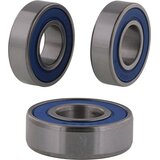
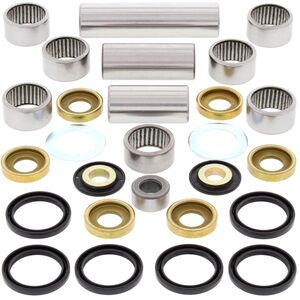
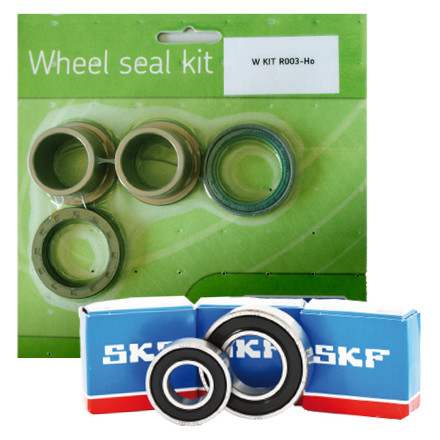
Match size to your service manual, then pick type/material/seals for your use: sealed ball bearings for wheels, tapered rollers for steering, and needle/roller for linkage; use higher dynamic load ratings for racing, jumps, or heavier setups and a practical precision class (ABEC 3/5).
Which bearing material works best in wet or dusty off‑road conditions?
Ceramic hybrids or stainless resist corrosion and run smoothly in mud, sand, and water when paired with quality seals; steel is strong and cost‑effective for dry conditions with the right grease.
Do I need sealed or shielded bearings for off‑road use?
Yes—choose sealed bearings (full‑contact seals) to block grit and moisture; shielded styles are better suited to clean, dry environments.
What bearing types should I use for common dirt bike locations?
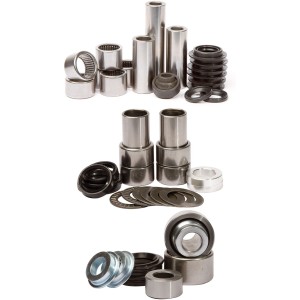
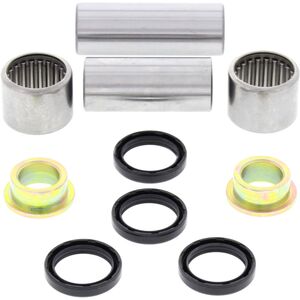
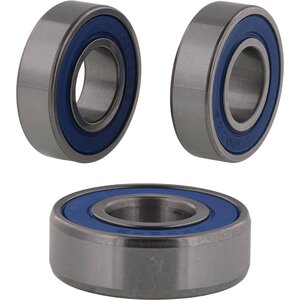
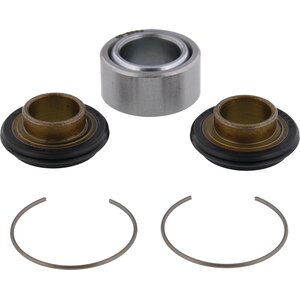
Deep‑groove ball bearings suit wheels for smooth speed, tapered roller bearings excel in the steering head for axial loads, and needle/roller bearings handle swingarm and linkage radial loads.
What should I check before install to maximize bearing life?
Confirm ID/OD/width from your manual, inspect seals, and ensure correct lubrication; press bearings squarely without side‑loading, then recheck free movement and play after your first few rides.