Begin typing to search, when autocomplete results are available use up and down arrows to review and enter to select. Selecting an options will take you to a new page. Touch device users, explore by touch.SEARCH
Search within a riding style, select an optionBegin typing to search, when autocomplete results are available use up and down arrows to review and enter to select. Selecting an options will take you to a new page. Touch device users, explore by touch.
Free shipping on orders over $79 to Illinois
Orders over $79.00 will receive free shipping. This is a residential delivery service, deliveries Monday through Friday from 9:00am to 8:00pm.
What does cruiser/street chest armor protect and what should I expect from it?
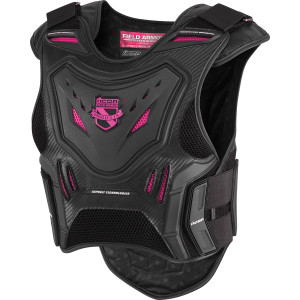
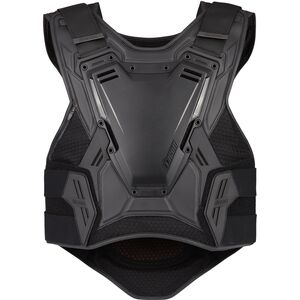
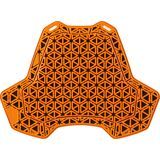
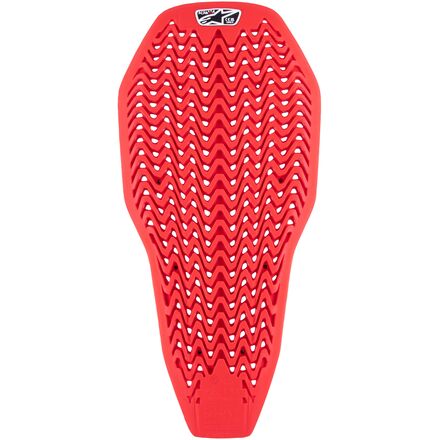
Chest armor protects the torso—primarily the chest and sometimes upper back—by absorbing impact energy while riding on paved roads; look for CE-rated padding, breathable materials, and fit adjustments to wear comfortably under a jacket.
How do I pick between Level 1 and Level 2 chest protection for street or cruiser riding?
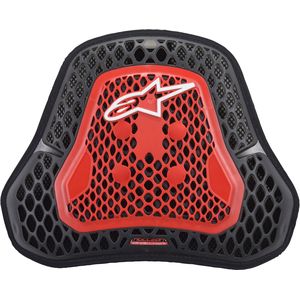
Level 1 is slimmer and more flexible for everyday street riding, while Level 2 gives higher impact protection for aggressive riding or track use at the cost of added bulk; consider upgrading the back protector separately for full torso coverage.
Which materials and features are best for hot-weather cruiser riding?
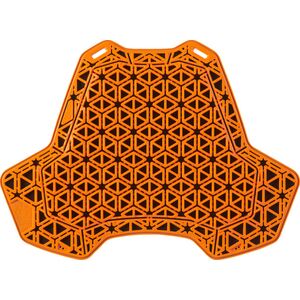
Choose stretch mesh or soft nylon shells with ventilation and flexible impact compounds like D3O that contour to the body, plus elastic belts or Velcro and ribbed cuffs to keep the armor stable and comfortable on long, warm rides.
How should chest armor fit under my cruiser jacket and what setup checks matter?
Look for adjustable straps at the shoulders, waist and cuffs so the armor stays aligned with jacket pockets and doesn’t restrict movement; test mobility and ensure it won’t ride up or shift during typical riding positions.
What maintenance and inspection should I do to keep chest armor effective?
Clean gently and air-dry, keep Velcro and straps free of debris, inspect padding and seams for cracks or tears after hard impacts, and replace any armor that shows significant damage or loss of shape.