Begin typing to search, when autocomplete results are available use up and down arrows to review and enter to select. Selecting an options will take you to a new page. Touch device users, explore by touch.SEARCH
Search within a riding style, select an optionBegin typing to search, when autocomplete results are available use up and down arrows to review and enter to select. Selecting an options will take you to a new page. Touch device users, explore by touch.
Free shipping on orders over $79 to Illinois
Orders over $79.00 will receive free shipping. This is a residential delivery service, deliveries Monday through Friday from 9:00am to 8:00pm.
Which stand types work best for cruiser maintenance and storage?
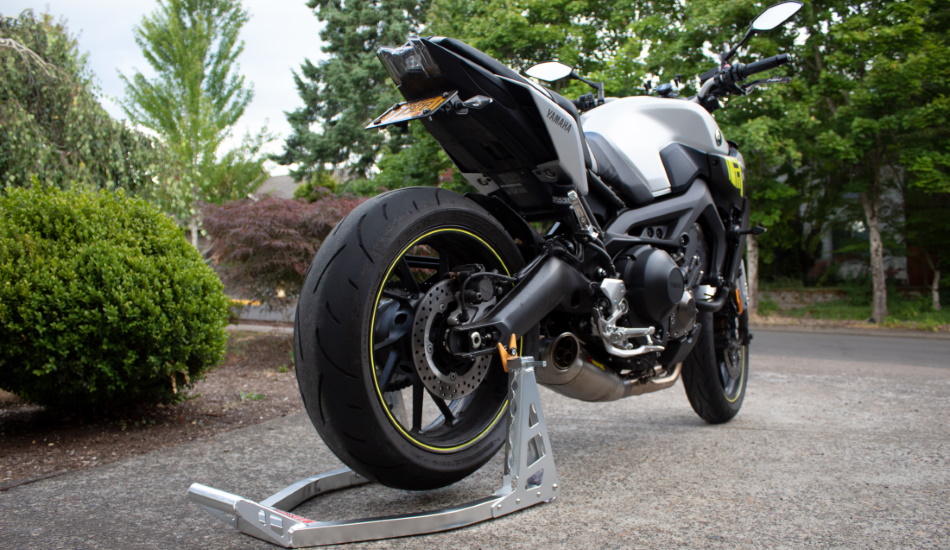
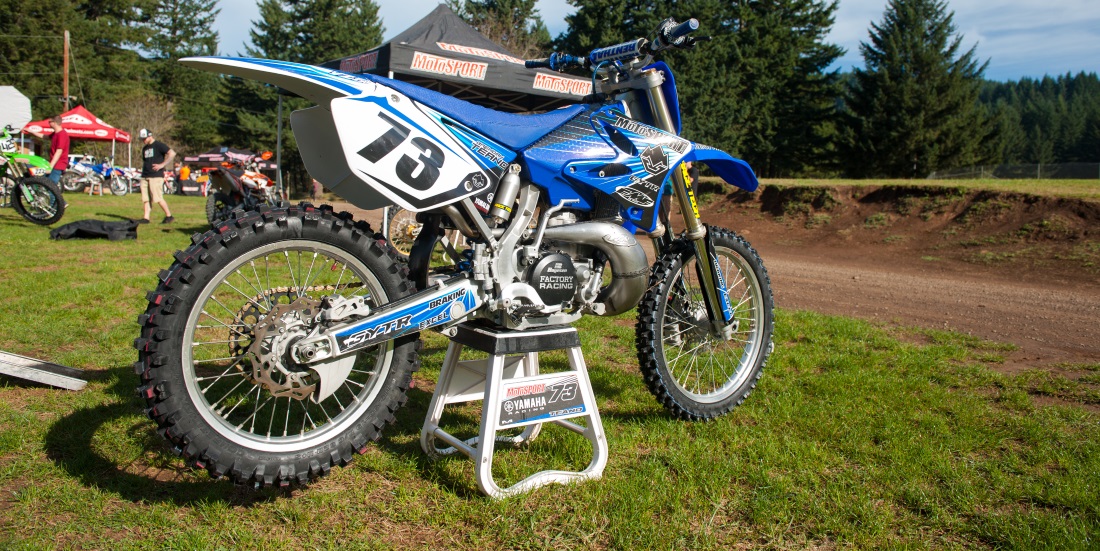
For stability and routine service, use a rear paddock stand—spool-type if you have bobbins, or cradle/axle-style if not. Pair it with a front fork or headstock stand for full wheel and suspension access; a center stand (if equipped) is convenient for storage.
What build features should I look for in a cruiser stand?
Heavy-duty steel tubing with solid welds and a wide base boosts stability under load. Rubber-padded or coated contact points protect finishes, and avoiding plastic joints helps long-term durability.
How do I confirm a stand will work with my cruiser’s setup?
Match the stand to your swingarm style and axle size, and verify whether spools/bobbins or specific adapters are required. Adjustable width/height and a removable or low-profile handle help clear exhausts, fenders, and saddlebags.
Do cruisers benefit from front stands, and which style should I choose?
Yes—front stands enable brake, fork, and wheel service; choose fork cradles for basic wheel work or pin/headstock styles when you need the fork legs completely free. Lift the rear first for extra stability before using a front stand.
What features improve ease of use and safety, and how should I maintain a stand?
Long-lever designs, smooth-rolling wheels, and positive spool or axle engagement reduce lifting effort and add confidence; axle/nut-holding features help during tire changes. Periodically inspect hardware, wheels, and pads, and keep pivots clean and lightly lubricated.