Begin typing to search, when autocomplete results are available use up and down arrows to review and enter to select. Selecting an options will take you to a new page. Touch device users, explore by touch.SEARCH
Search within a riding style, select an optionBegin typing to search, when autocomplete results are available use up and down arrows to review and enter to select. Selecting an options will take you to a new page. Touch device users, explore by touch.
Free shipping on orders over $79 to Illinois
Orders over $79.00 will receive free shipping. This is a residential delivery service, deliveries Monday through Friday from 9:00am to 8:00pm.
How do I choose between battery-powered and plug-in heated gear for my cruiser?
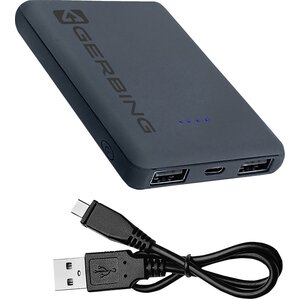
Battery-powered options offer portable heat for short rides and stops, while plug-in systems draw from the bike for continuous warmth on long trips; cold weather can shorten battery runtime, so match the power type to your ride length and temps.
What materials and build features matter most for heated gear accessories?
Look for wind-resistant, ripstop shells, robust wiring, and durable connectors; avoid flimsy fabrics and favor redundancy like backup manual controls for reliability if wireless remotes fail.
What electrical setup do cruisers typically need to run heated gear?
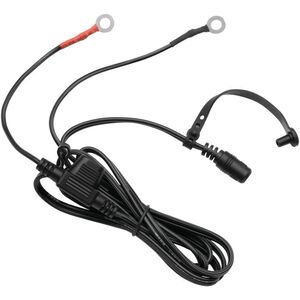
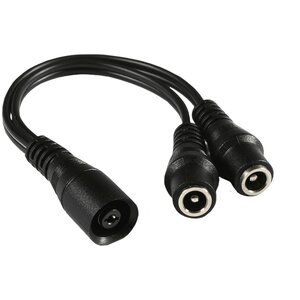
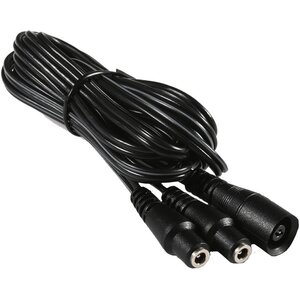
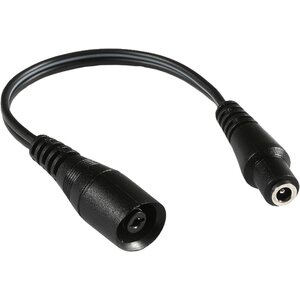
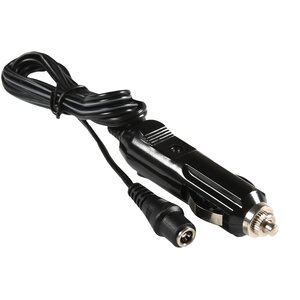
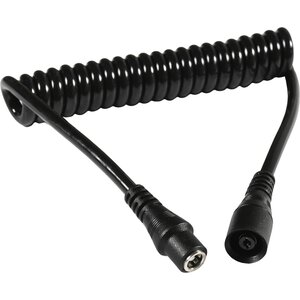
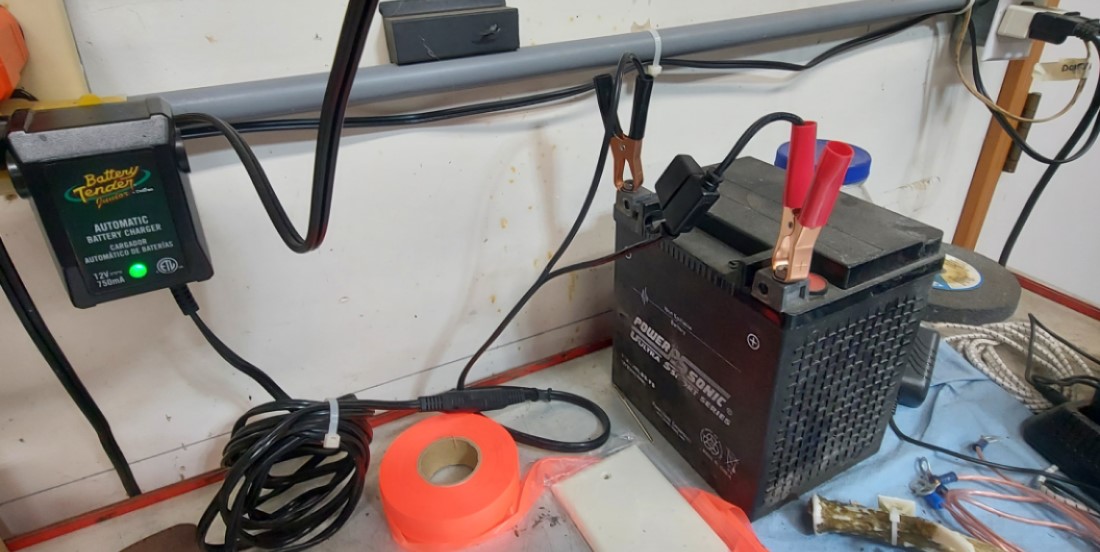
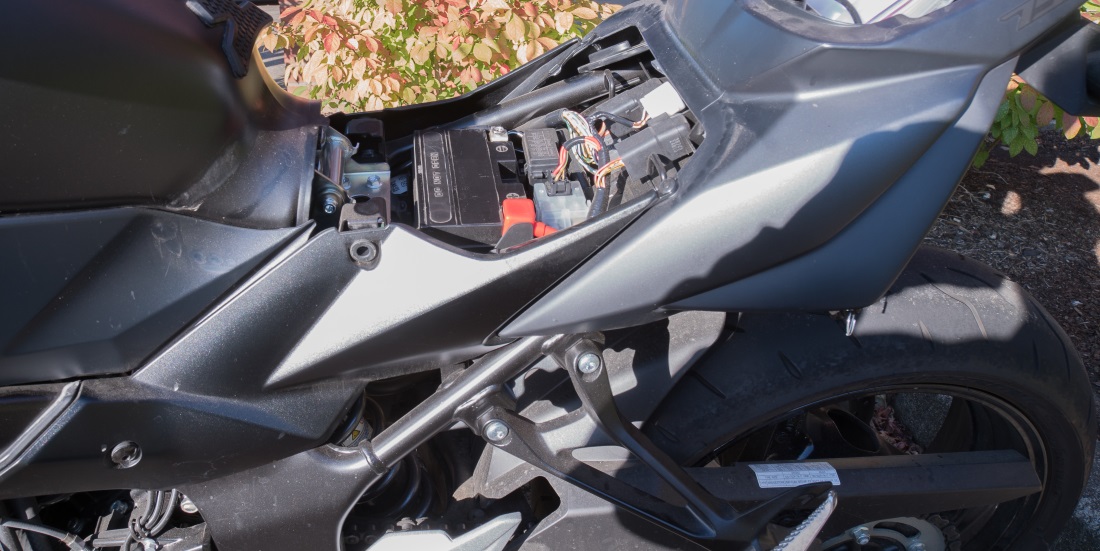
Use factory accessory plugs when available, or add a fused battery pigtail for direct power; extensions and splitters help route power cleanly to jackets, gloves, pants, and socks.
Do I need a heat controller, and which type works best?
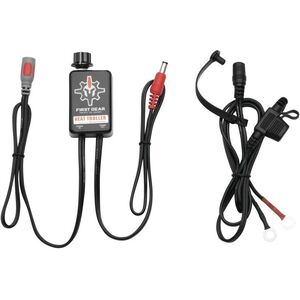
Many systems require a separate controller—verify if one is included; dual controllers let you fine-tune upper and lower body independently for consistent comfort as conditions change.
How should I plan heat coverage and layering for cruiser riding?
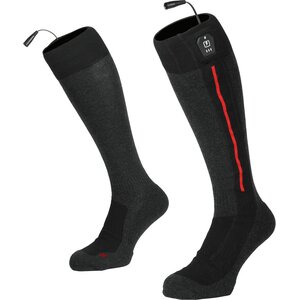
Choose gear with heating zones across collar, chest, and back, then add gloves, pants, and socks for full-body warmth; this reduces bulky layers and helps maintain precise throttle and brake control.