Begin typing to search, when autocomplete results are available use up and down arrows to review and enter to select. Selecting an options will take you to a new page. Touch device users, explore by touch.SEARCH
Search within a riding style, select an optionBegin typing to search, when autocomplete results are available use up and down arrows to review and enter to select. Selecting an options will take you to a new page. Touch device users, explore by touch.
Free shipping on orders over $79 to Illinois
Orders over $79.00 will receive free shipping. This is a residential delivery service, deliveries Monday through Friday from 9:00am to 8:00pm.
What types of exhaust heat protection work best for cruiser motorcycles?
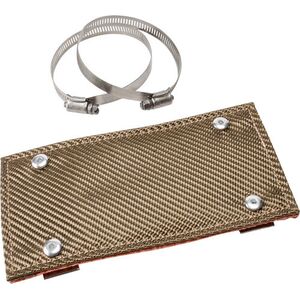
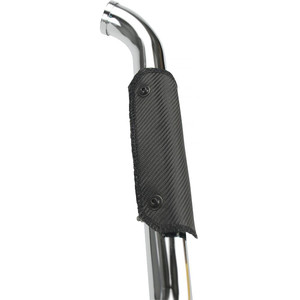
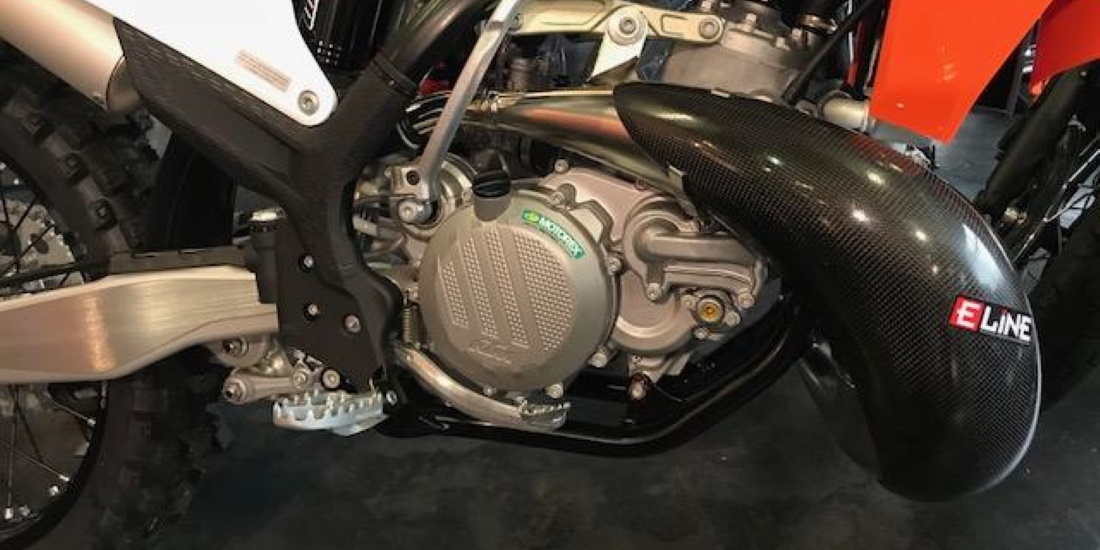
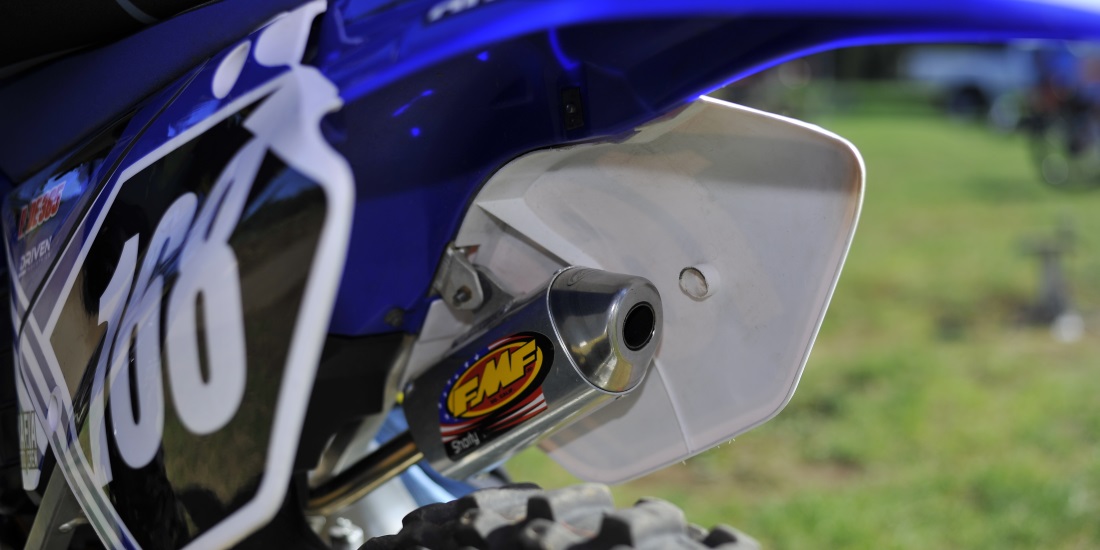
Solid metal shields, flexible braided sleeves, insulated wraps, and combo pre-molded guards each serve cruisers well; prioritize full coverage around legs, footpegs, and saddlebags and choose by durability, heat reflection, and how the part handles bends and vibration.
How should terrain and riding style influence my cruiser heat shield choice?
Urban riding and frequent stops call for reflective, rigid shields to block radiant heat, long-distance touring benefits from reinforced full-coverage guards and secure clamps, and off-road or mixed-terrain cruising favors rugged, vented combos or heavy-duty wraps that resist debris and vibration.
Which materials and finishes are best when selecting aftermarket heat protection for a cruiser?
Choose aluminum or stainless steel for strong heat reflection and corrosion resistance, consider ceramic-coated metal for added durability, and use braided stainless or ceramic-fiber sleeves where pipe curves demand conforming coverage—match finishes like brushed or black to your bike’s style.
What are the key installation and inspection priorities to keep riders safe?
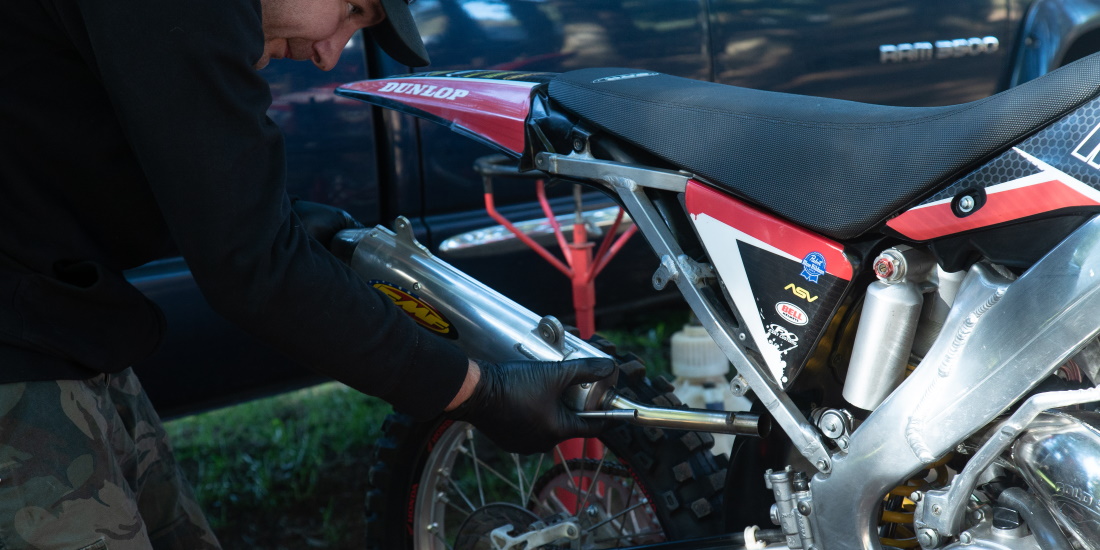
Use properly secured clamps rather than zip ties, ensure continuous coverage at high-risk zones while leaving service access, confirm clearance to avoid contact, and inspect wraps for trapped moisture or corrosion while checking vented guards for debris.
How do different heat protection types affect maintenance and common exhaust modifications?
Wraps retain heat and can hide corrosion or trap moisture so they need regular inspection, rigid shields allow easier visual checks and handle vibration but may require careful shaping around bends, and combo guards add layered protection at the cost of potentially more complex access—ceramic coatings complement shields but don’t replace proper coverage.