Begin typing to search, when autocomplete results are available use up and down arrows to review and enter to select. Selecting an options will take you to a new page. Touch device users, explore by touch.SEARCH
Search within a riding style, select an optionBegin typing to search, when autocomplete results are available use up and down arrows to review and enter to select. Selecting an options will take you to a new page. Touch device users, explore by touch.
Free shipping on orders over $79 to Illinois
Orders over $79.00 will receive free shipping. This is a residential delivery service, deliveries Monday through Friday from 9:00am to 8:00pm.
What are the top features to prioritize when buying a clutch lever for a cruiser?
Prioritize compatibility with your motorcycle’s make, model, year and clutch system, then choose forged or CNC-machined aluminum for the best strength-to-weight balance, plus adjustability and a folding design for comfort and crash protection on cruiser rides.
How do cable and hydraulic clutch systems change which lever I should buy?
Cable-actuated systems need levers with the correct cable attachment and routing, while hydraulic systems require banjo-style fittings and bleeding procedures—these systems are not interchangeable without modifying the whole clutch setup.
Which lever materials work best for cruiser use and why?
Forged or CNC aluminum offers the best combination of strength, vibration resistance and corrosion protection for long highway miles, stamped steel is a budget-friendly durable option, and plastic composites are generally not recommended for cruiser applications.
How does lever adjustability and folding benefit cruiser riders?
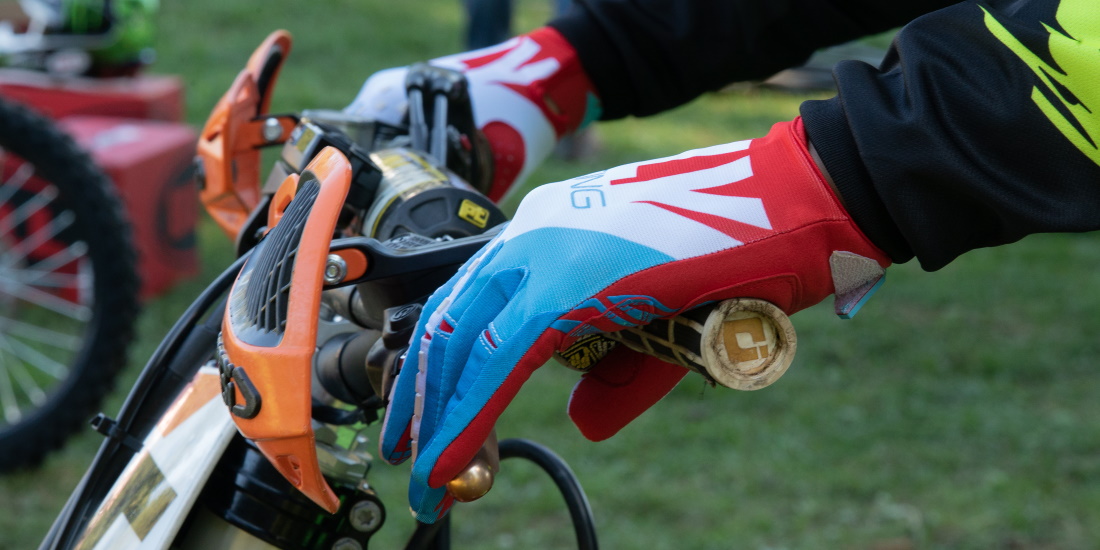
Adjustability lets riders with small hands or thick gloves dial in reach to reduce fatigue and improve control, and folding mechanisms protect the lever from breakage during low-speed drops common in urban or parking situations.
What maintenance and setup checks should I perform for clutch levers in different weather and after mods?
Choose corrosion-resistant finishes for wet or humid climates, lubricate pivot points regularly to prevent stiffness, and after adding bar changes or perch upgrades inspect lever alignment and clearance to ensure smooth operation.