Begin typing to search, when autocomplete results are available use up and down arrows to review and enter to select. Selecting an options will take you to a new page. Touch device users, explore by touch.SEARCH
Search within a riding style, select an optionBegin typing to search, when autocomplete results are available use up and down arrows to review and enter to select. Selecting an options will take you to a new page. Touch device users, explore by touch.
Free shipping on orders over $79 to Illinois
Orders over $79.00 will receive free shipping. This is a residential delivery service, deliveries Monday through Friday from 9:00am to 8:00pm.
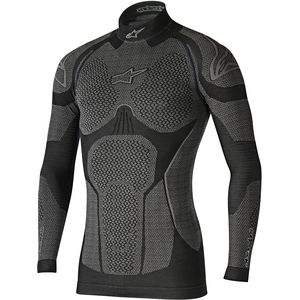
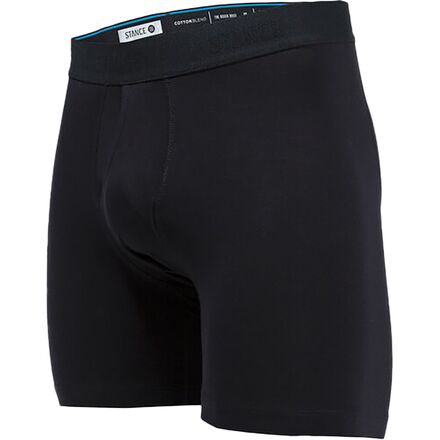
They wick moisture, regulate temperature, and reduce chafing from seams—perfect for upright, long-distance rides on paved roads in changing weather.
Which fabric is best for cruiser base layers: synthetic or Merino?
Polyester-elastane blends move sweat fast and dry quickly, while Merino naturally balances warmth and cooling across wide temps with a soft next-to-skin feel—pick based on climate swings and comfort preference.
How should a cruiser base layer fit and layer with jackets and pants?
Choose a snug, seamless “second skin” that won’t bunch under leather or textile gear; add a mid-layer (fleece/wool) and finish with a waterproof-breathable shell for wind and rain.
What features help in heat vs cold on a cruiser?
Hot/dry: thin, high-wicking pieces with mesh/perforated zones for airflow; Cold/wet: thermal or insulated versions that trap heat and pair under windproof, breathable shells—phase-change tech (e.g., Outlast) can smooth temperature swings.
How do I care for and pack base layers for touring?
Wash per label and skip fabric softeners to preserve wicking; they dry fast, reduce abrasion from gear, and pack light so a spare top or full set fits easily in panniers.