Begin typing to search, when autocomplete results are available use up and down arrows to review and enter to select. Selecting an options will take you to a new page. Touch device users, explore by touch.SEARCH
Search within a riding style, select an optionBegin typing to search, when autocomplete results are available use up and down arrows to review and enter to select. Selecting an options will take you to a new page. Touch device users, explore by touch.
Free shipping on orders over $79 to Illinois
Orders over $79.00 will receive free shipping. This is a residential delivery service, deliveries Monday through Friday from 9:00am to 8:00pm.
How do I choose the right ATV voltage regulator for my machine?
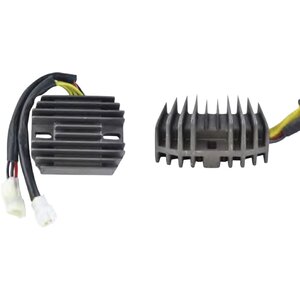
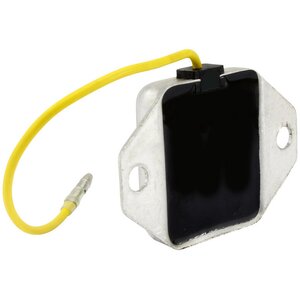
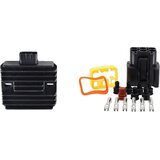
Prioritize matching your stator’s phase type (single‑phase vs three‑phase), pin configuration (3–5 wires), 12V charging output, and physical footprint to ensure proper wiring and reliable performance.
What measurable specs should I verify before buying a regulator?
Check stator compatibility, pin count and wiring colors, regulated charging voltage and input range, thermal design (oversized aluminum heatsink/ventilation), and protections like sealed housing and transient/overvoltage safeguards; favor MOSFET designs for efficiency.
Which features matter most for durability in off‑road and wet conditions?
Choose sealed or waterproof housings, vibration‑resistant mounting (rubber grommets), corrosion‑resistant materials, and a large ventilated heatsink to resist water, mud, and heat under heavy use.
How do riding style and accessories affect regulator selection for ATVs?
High accessory loads or long rides call for high‑output MOSFET regulators with enhanced cooling and robust sealing, while light‑use or trail riders can opt for compact, vibration‑tolerant single‑phase units; also confirm suitability for lithium battery systems.
What installation and maintenance checks extend regulator life?
Ensure correct wiring and connector footprint for straightforward installation, secure mounting with proper clearance and grommets, and periodically test stator AC output and running battery charging voltage to detect issues early.